


Prototype Models
What Are Prototype Models & How Do They Support Engineering and Product Development?
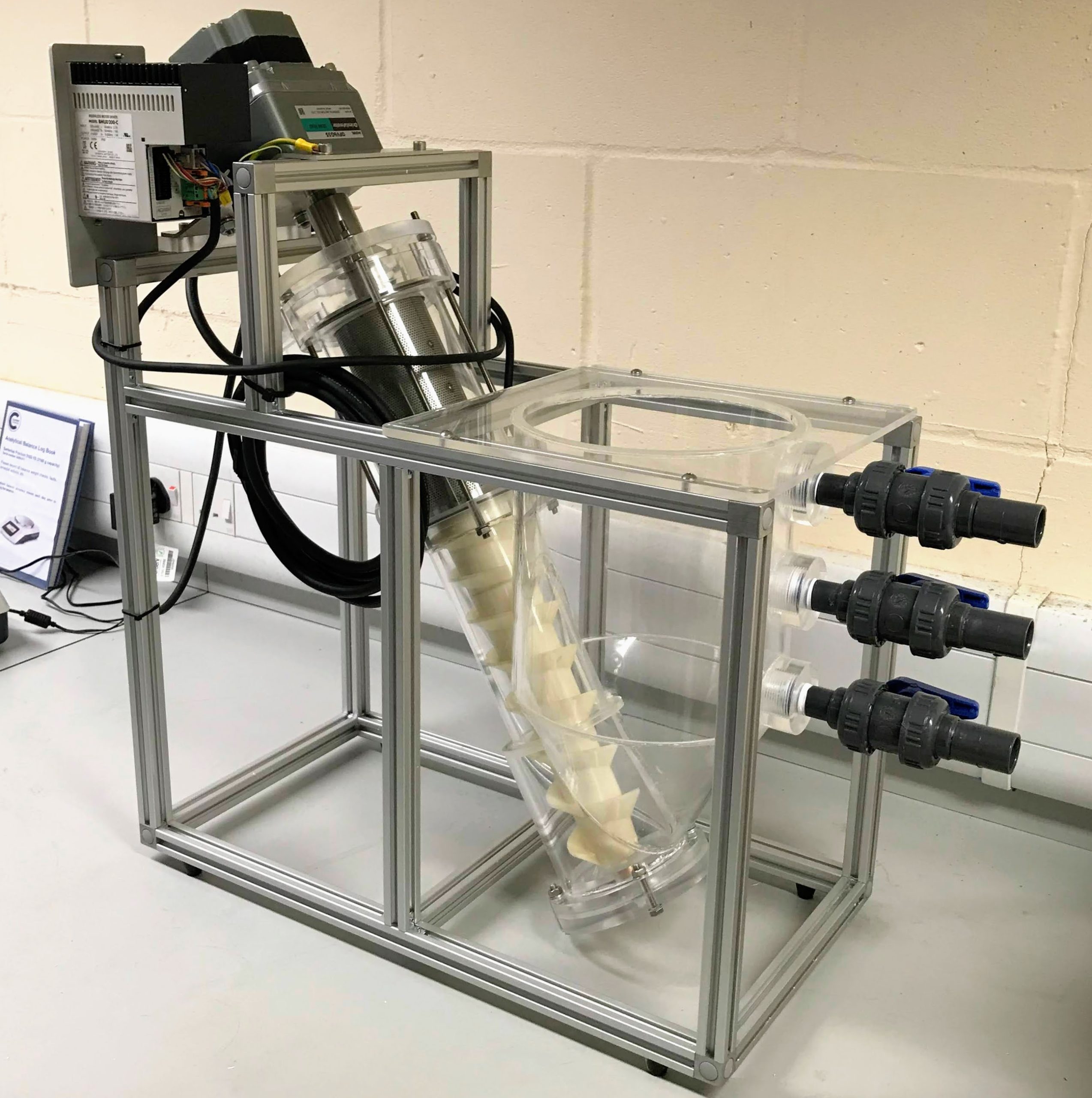
Bringing an innovative product from concept to creation is no small feat. Whether it’s a cutting-edge medical device, a new consumer product, or a complex mechanical system, prototype models play a critical role in turning design ideas into reality. These high quality prototypes allow engineers, product designers, and manufacturers to visualise, test, and refine a product before committing to full-scale production — ultimately saving time, money, and resources.
At Model Products Ltd, we create precision-engineered prototype models that support complex product development across sectors including medical, aerospace, automotive, and industrial design.
What Is a Prototype Model?
In professional engineering and product design, a prototype model is a physical representation of a product idea, built to explore form, fit, function, or performance. Unlike digital CAD renderings or conceptual drawings, prototype models are tangible — allowing teams to engage with the product in the real world.
There are several types of engineering prototypes, each with its own purpose:
Functional Prototypes
To assess usability or technical performance
Appearance Models
For visual validation and stakeholder feedback
Proof of concept models
To test core features and viability
Whether for ergonomic testing, design presentation, or internal review, prototype models are an essential part of the product development process.
Industries That Use Prototype Models
Prototype models are widely used across sectors that require precision, innovation, and compliance. Some of the key industries we work with include:
Engineering & Manufacturing
Mechanical assemblies, turbines, enclosures, testing rigs
Product Design & Consumer Goods
New product lines, packaging, industrial components
Automotive & Aerospace
Interior components, aerodynamic testing parts, safety systems
Medical Devices
Surgical instruments, diagnostic equipment, wearables
As prototype model makers, we collaborate closely with clients to ensure each model meets both technical and aesthetic requirements — whether it’s for internal R&D or high-stakes investor presentations.

Benefits of Using Prototype Models in Development
Using physical prototypes early in the development process offers measurable advantages:
Accelerated product development through rapid prototyping
Cost savings by identifying design flaws before tooling or production
Improved communication between engineers, designers, and stakeholders
Better stakeholder engagement with appearance models and presentation prototypes
Easier iteration and testing with real-world feedback loops
Enhanced investor/client confidence during pitches or product launches
These are just a few of the proven benefits of prototype models for forward-thinking teams.

Why Choose Model Products Ltd for High Quality Prototypes
Model Products Ltd has decades of experience delivering high quality prototypes to clients across medical, industrial, defence, and consumer sectors. We combine traditional craftsmanship with modern technologies such as:
CNC machining
3D printing
Vacuum casting
Laser cutting
Our team understands the demands of product development models — from initial sketches to final sign-off. Whether you need fully functional engineering prototypes or polished appearance models, we’ll ensure accuracy, durability, and visual appeal.
As trusted prototype model makers, we’re proud to support innovation with models that help you move faster, test smarter, and present better.
Our working models are used in aerospace, automotive, and industrial sectors for demonstrations, testing, and training. By replicating real-world mechanics, these models provide a hands-on experience that enhances understanding, innovation, and problem-solving. With precision engineering and expert craftsmanship, we create dynamic, functional models tailored to your specific project needs.
Prototype Models vs. Scale Models – What’s the Difference?
The terms prototype models and scale models are often used interchangeably, but they serve different purposes:
| Prototype Models | Scale Models |
|---|---|
| Built for product development and testing | Built for display or visual representation |
| Often full-scale and functional | Usually scaled-down and static |
| Used in engineering, testing, or evaluation | Used in marketing, education, or exhibitions |
| Examples: a working gear system, ergonomic grip test | Examples: aircraft model, architectural layout |
Understanding the difference between scale models vs prototypes helps teams select the right model for their objective.
Want to learn more about our display-ready scale models? Explore our Scale Models service.
Ready to Bring Your Vision to Life?
Looking for a reliable partner for your next prototype? Whether you’re developing a new product or preparing for stakeholder presentations, we’re here to help.
Get in touch today to discuss your project or request a prototype model consultation.
Our team will guide you through the process and recommend the best approach for your goals.