


Commissioning a replica model represents a strategic investment for defence contractors, aerospace organisations, architects, and infrastructure planners seeking to transform complex concepts into tangible, precision-engineered representations. The process involves systematic collaboration between clients and specialist model makers to deliver physical models that serve critical communication, validation, and operational purposes across the UK’s most demanding technical sectors.
When commissioning a replica model, understanding the commissioning process is essential for organisations looking to maximise return on investment whilst ensuring their replica models meet exacting technical standards and project timelines. This comprehensive guide outlines the essential steps required for successful model commissioning, from initial requirement definition through to long-term maintenance and support.
Step 1: Defining Your Project Requirements for Commissioning a Replica Model
Commissioning a replica model successfully begins with comprehensive requirement definition that establishes clear objectives, constraints, and success criteria. This foundational step determines all subsequent decisions regarding scale, materials, manufacturing processes, and delivery schedules.
The requirement definition process should address multiple critical dimensions. Technical specifications must define the level of detail required, operational functionality expectations, and integration requirements with existing systems. The Defence Policy for Modelling and Simulation (JSP 939) emphasises the importance of early stakeholder engagement and clear requirement articulation in complex technical projects.
Operational requirements when commissioning a replica model encompass its’ intended use cases. Defence applications may require wind tunnel testing capabilities, whilst architectural models might prioritise stakeholder engagement and public consultation effectiveness. Infrastructure projects often demand models that demonstrate complex system interdependencies and operational workflows.
Stakeholder analysis identifies all parties who will interact with the replica model throughout its lifecycle. This includes technical teams requiring detailed analysis capabilities, senior decision-makers needing high-level strategic understanding, and public audiences requiring accessible communication tools. The How Defence Works framework emphasises effective communication and stakeholder engagement in defence project delivery.
Budget parameters establish financial constraints that influence scale selection, material choices, and manufacturing approaches. Professional model makers can provide guidance on optimising value within budget constraints whilst maintaining technical integrity.
Timeline requirements define project milestones, delivery schedules, and any dependencies on external events such as exhibitions, presentations, or regulatory approvals. The Cambridge Network’s professional model making insights demonstrate how proper timeline planning prevents costly delays and ensures coordinated project delivery.
Environmental considerations specify operating conditions, storage requirements, and transportation needs. Models destined for international exhibitions require different specifications compared to those remaining in controlled laboratory environments.
Quality standards must align with applicable British Standards BS 8000 requirements for workmanship and construction quality when commissioning a replica model, particularly for architectural and infrastructure applications.

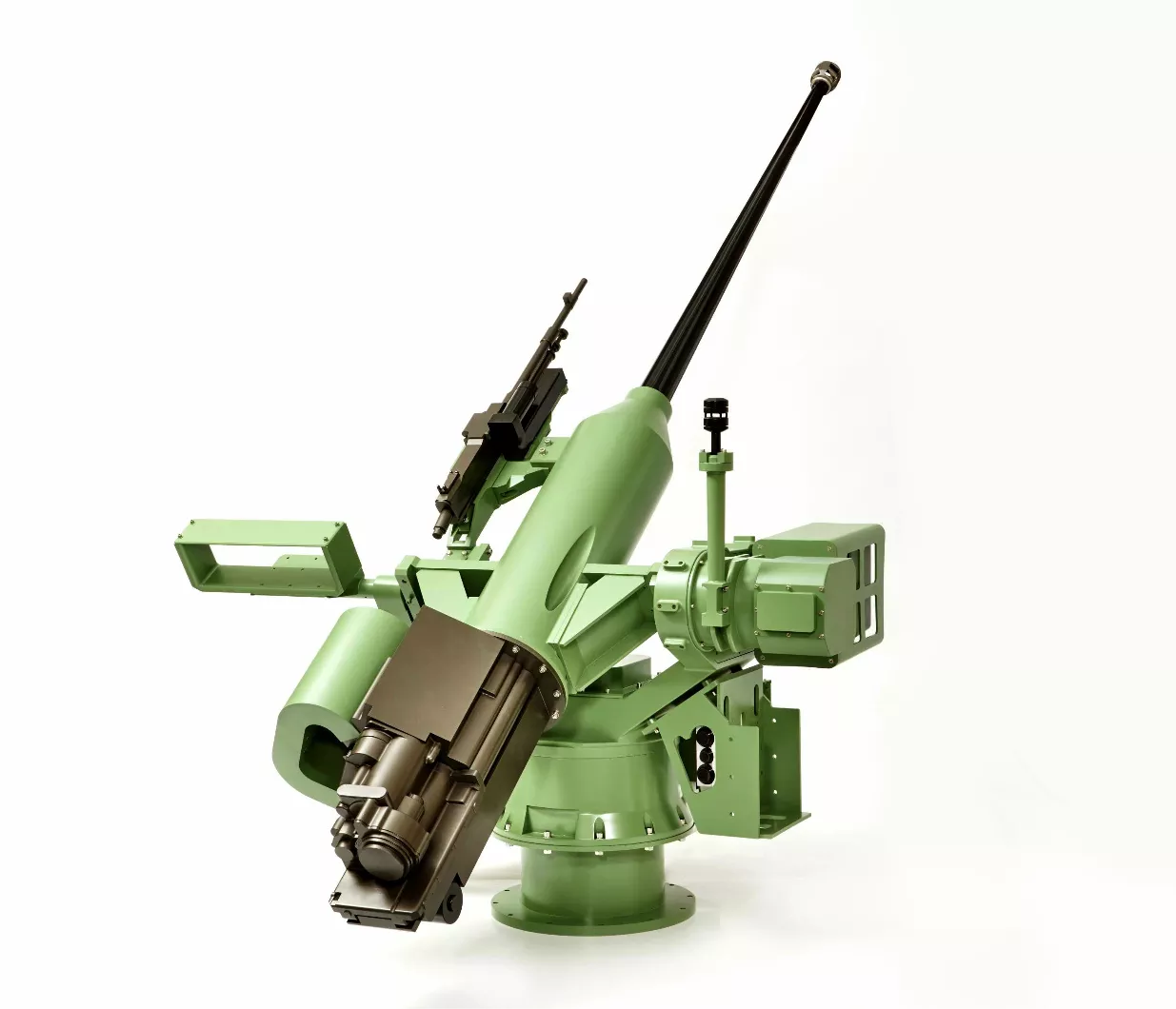
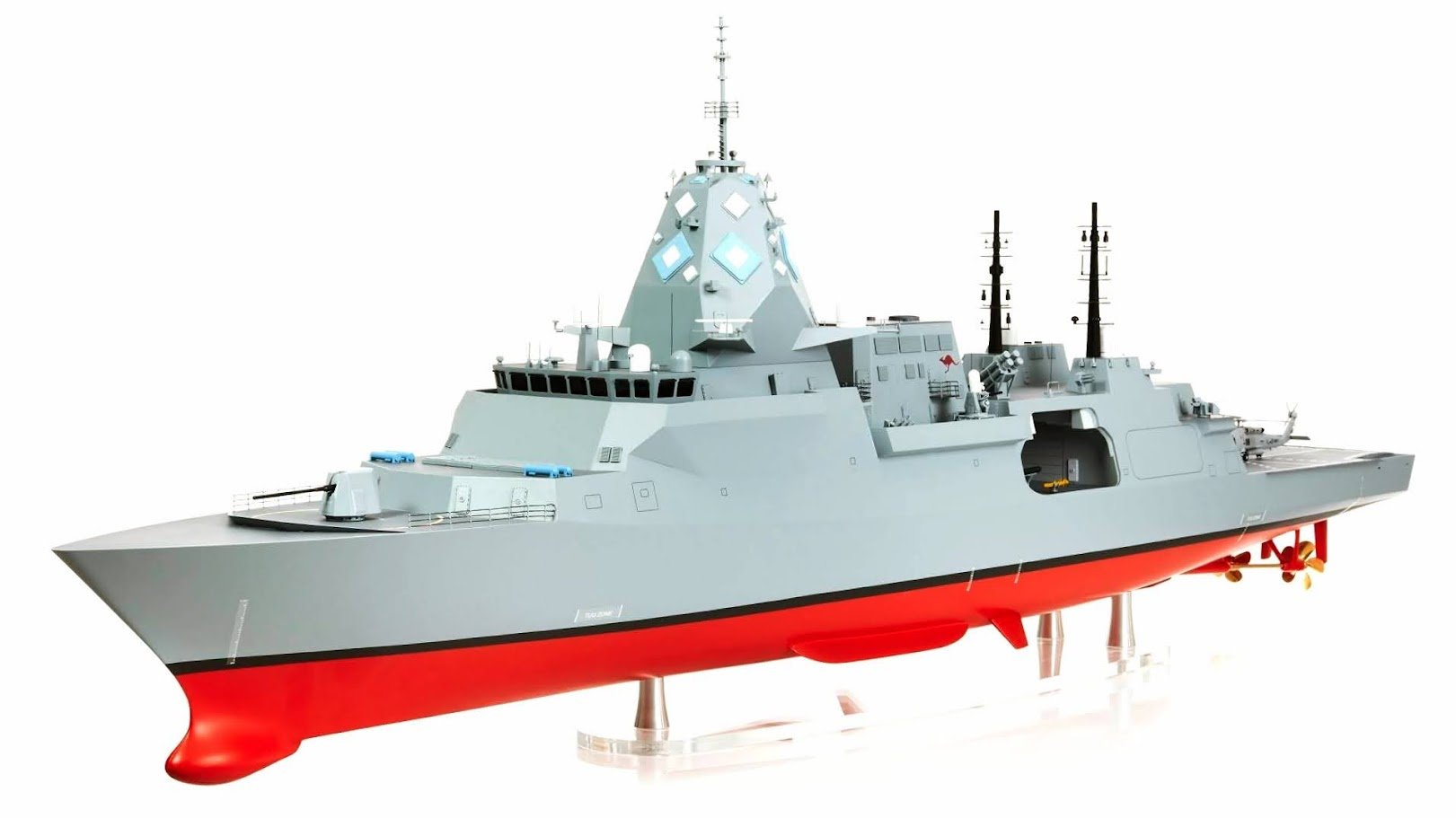

Step 2: Choosing the Right Scale and Materials in Commissioning a Replica Model
Scale and material selection represents a critical decision point that fundamentally determines the replica model’s capabilities, cost, and suitability for intended applications. This phase requires careful balance between technical requirements, budget constraints, and operational considerationswhen commissioning a replica model.
Scale selection methodology should align with the model’s primary purpose and intended audience. Aerospace applications typically utilise scales ranging from 1:144 for fleet comparisons to 1:10 for detailed component analysis. Infrastructure models commonly employ scales from 1:1000 for regional planning to 1:50 for facility-specific details.
The scale selection process for commissioning a replica model must consider manufacturing tolerances, material properties, and assembly requirements when recommending optimal scales. Professional model makers understand these technical relationships and can advise clients on achieving the best balance between detail requirements and practical constraints.
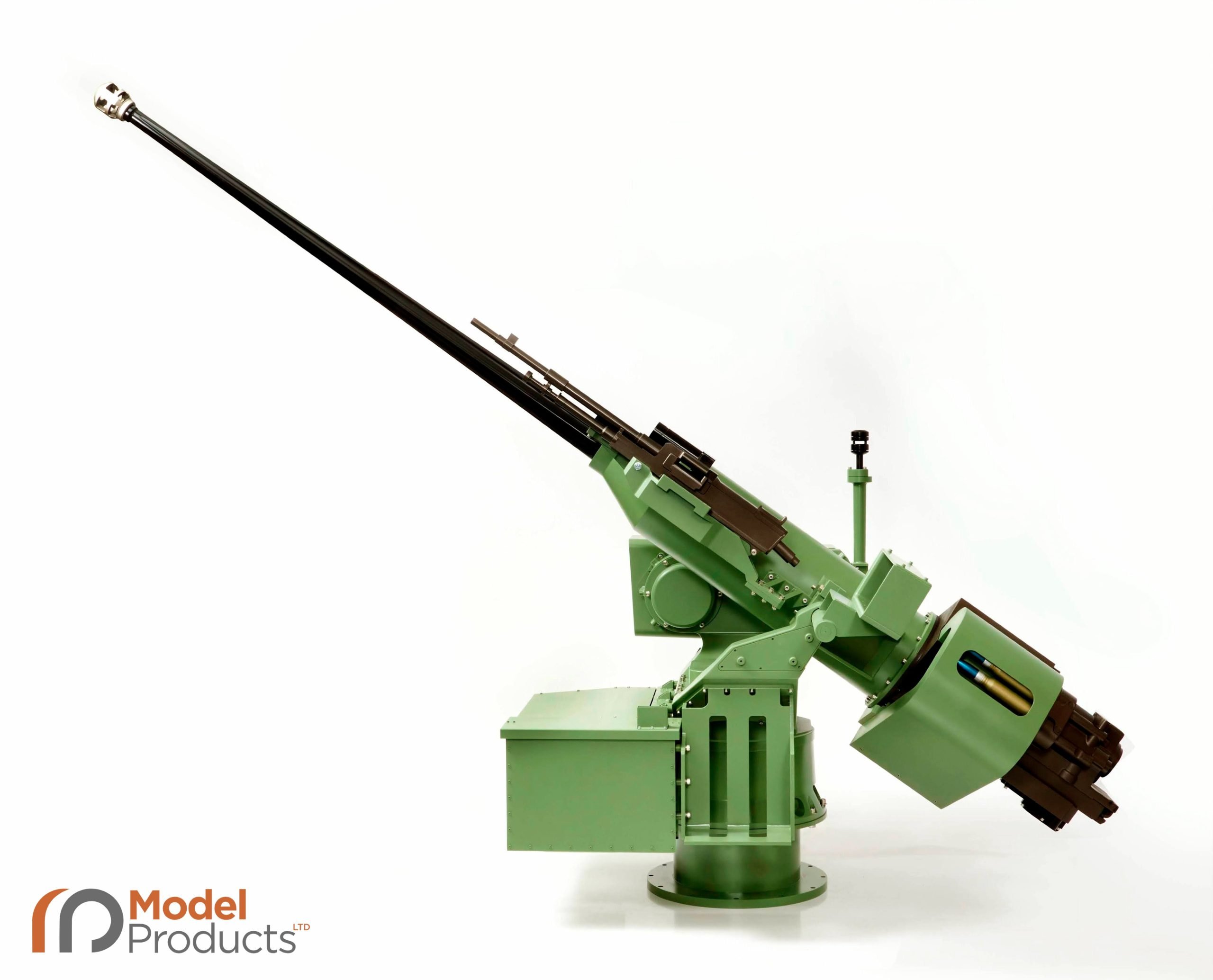
Material selection criteria encompass multiple performance factors. Structural integrity requirements vary significantly between display models and functional prototypes. Wind tunnel models demand materials capable of withstanding aerodynamic forces whilst maintaining dimensional stability.
Environmental resistance becomes critical for models exposed to temperature variations, humidity, or outdoor conditions. British Standards BS 8000 provide guidance on material suitability and workmanship standards for construction applications.
When commissioning a replica model, aesthetic requirements influence material choices for marketing and presentation models. High-quality surface finishes, colour accuracy, and visual impact often require premium materials and specialised manufacturing processes.
Manufacturing compatibility ensures selected materials work effectively with available production technologies. CNC machining, 3D printing, and traditional fabrication methods each have optimal material specifications.
Lifecycle considerations include maintenance requirements, repair capabilities, and long-term durability. Models intended for extended use require materials that maintain appearance and structural integrity over time.
Cost optimisation balances material performance against budget constraints. Professional model makers can recommend cost-effective alternatives that maintain technical requirements whilst reducing overall project costs.
Regulatory compliance ensures materials meet applicable standards for defence, aerospace, or construction applications. The Defence Policy for Modelling and Simulation (JSP 939) provides guidance on technical standards for defence applications.
Step 3: Reviewing Design Drawings and CAD Data for Commissioning a Replica Model
The design review phase for commissioning a replica model establishes the technical foundation for accurate model reproduction through comprehensive analysis of available documentation and data sources. This critical step ensures dimensional accuracy, feature completeness, and manufacturing feasibility before production begins.
Data collection and validation begin with gathering all available technical documentation. CAD files provide the most accurate dimensional data, whilst engineering drawings offer detailed specifications and tolerances. Photographic references support visual accuracy validation, particularly for surface finishes and colour specifications.
Digital data processing involves importing CAD models into specialised model-making software platforms. Advanced systems can automatically generate component breakdowns, identify manufacturing constraints, and optimise part orientations for production. The data review process identifies missing information, dimensional inconsistencies, and potential manufacturing challenges.
Design optimisation for manufacturing addresses the transition from digital concepts to physical production. This includes part consolidation opportunities, joint locations, assembly sequences, and finishing requirements. Professional model makers apply decades of experience to recommend design modifications that improve manufacturability without compromising accuracy.
Quality assurance protocols for commissioning a replica model verify data integrity and dimensional consistency. The Defence Support Modelling and Analysis Framework emphasises the importance of systematic validation processes in complex technical projects.
Stakeholder collaboration during design review ensures all parties understand the proposed approach and can provide input on critical requirements. Regular communication prevents misunderstandings and enables early resolution of potential issues.
Documentation standards follow established protocols for version control, change management, and traceability. This becomes particularly important for defence and aerospace applications where regulatory compliance requires comprehensive audit trails.
Technical feasibility assessment evaluates manufacturing complexity, material requirements, and production timeline implications. This analysis informs final cost estimates and delivery schedules.
Risk identification highlights potential challenges including complex geometries, material limitations, or assembly difficulties. Early risk identification enables proactive mitigation strategies and contingency planning.
Standards compliance verification ensures design approaches align with relevant British Standards BS 8000 requirements for workmanship and quality assurance.

Step 4:
Commissioning a Replica Model: Formal Commissioning Process with Model Products
The formal commissioning phase establishes contractual agreements, finalises technical specifications, and initiates production planning for your replica model project. This structured approach ensures clear expectations, defined deliverables, and systematic project management throughout the manufacturing process.
Whe commissining a replica model, contract finalisation encompasses detailed specifications, delivery schedules, quality standards, and payment terms. Professional model makers provide comprehensive documentation that clearly defines project scope, technical requirements, and client responsibilities. The commissioning agreement should address intellectual property rights, confidentiality requirements, and change management procedures.
Technical specification confirmation validates all design decisions, material selections, and manufacturing approaches. This includes dimensional tolerances, surface finish requirements, assembly methods, and testing protocols. British Standards BS 8000 provide frameworks for workmanship standards and quality assurance.
Quality assurance framework for commissioning a replica model establishes inspection protocols, testing procedures, and acceptance criteria. Defence and aerospace applications often require compliance with specific standards for quality management systems. Model Products Ltd implements ISO 9001:2015 compliant processes ensuring comprehensive quality control throughout production.
Project management structure for commissioning a replica model defines communication protocols, milestone schedules, and progress reporting mechanisms. Regular client updates include photographic progress reports, dimensional verification data, and schedule confirmations. The Professional Model Making Insights resource emphasises the importance of structured project management in complex commissioning projects.
Risk management planning identifies potential challenges and establishes mitigation strategies. This includes material supply issues, manufacturing complications, and schedule dependencies. Professional model makers develop contingency plans to address foreseeable challenges whilst maintaining project timelines.
Resource allocation for commissioning a replica model confirms manufacturing capacity, skilled personnel assignments, and equipment availability. Complex replica models may require specialised capabilities including CNC machining, precision assembly, and advanced finishing techniques.
Delivery planning for commissioning a replica model addresses packaging requirements, transportation methods, and installation support. International projects require customs documentation, export compliance, and specialised shipping arrangements.
Payment schedules for commissioning a replica model align with project milestones to ensure adequate cash flow whilst protecting client interests. Professional practices include stage payments linked to completion milestones and final payment upon satisfactory delivery and acceptance.
Defence compliance requirements for military applications must align with Defence Policy for Modelling and Simulation (JSP 939) standards and procedures.
Step 5: The Build, Testing and Delivery Process When Commissioning a Replica Model
The manufacturing phase for commissioning a replica model transforms digital designs into precision-engineered physical models through advanced production technologies, traditional craftsmanship, and rigorous quality control processes. This phase represents the culmination of careful planning and the delivery of tangible results that meet exacting technical standards.
Manufacturing process initiation begins with detailed production planning that optimises workflow efficiency, resource utilisation, and quality outcomes. Modern model making combines CNC machining, 3D printing, laser cutting, and traditional fabrication techniques to achieve optimal results. Production schedules account for material lead times, manufacturing sequences, and quality control checkpoints.
Advanced manufacturing technologies enable unprecedented precision and repeatability in replica model production. CNC machining delivers dimensional accuracy within micron tolerances, essential for aerospace and defence applications requiring exact scale representation. 3D printing technologies support complex geometries and rapid prototyping capabilities, particularly valuable for architectural and infrastructure models with intricate internal structures.
Traditional craftsmanship integration combines modern technology with decades of accumulated expertise. Skilled artisans apply hand-finishing techniques, precision assembly methods, and specialised painting processes that machines cannot replicate. This hybrid approach ensures both dimensional accuracy and aesthetic excellence.
Quality control protocols for commissioning a replica model implement systematic inspection procedures throughout the manufacturing process. Dimensional verification uses coordinate measuring machines and precision instruments to validate conformance with design specifications. Surface finish quality assessment ensures consistent appearance and durability standards.
Material traceability systems maintain comprehensive records of all components, materials, and processes used in model construction. This documentation supports warranty provisions, future maintenance requirements, and regulatory compliance needs.
Testing and validation procedures verify model performance against specified requirements. Structural integrity testing ensures durability under handling and display conditions. Functional testing validates any operational elements such as moveable components or lighting systems.
Documentation completion for commissioning a replica model includes comprehensive assembly records, material specifications, maintenance instructions, and quality certification. Professional model makers provide detailed handover packages that support long-term model care and maintenance.
Packaging and logistics utilise specialised techniques to ensure safe transportation and delivery. Custom packaging designs protect delicate components whilst facilitating efficient unpacking and assembly at destination locations. International shipping requires expertise in customs procedures and export documentation.
Installation and commissioning support includes on-site assembly assistance, operational training, and performance verification. Professional model makers often provide installation services to ensure proper setup and optimal presentation.
Performance acceptance testing validates final model performance against all specified requirements. This includes dimensional verification, functional testing, and aesthetic approval. Client sign-off confirms satisfactory completion and triggers final payment schedules.
Standards compliance verification ensures final products meet all applicable British Standards BS 8000 requirements for workmanship and quality.
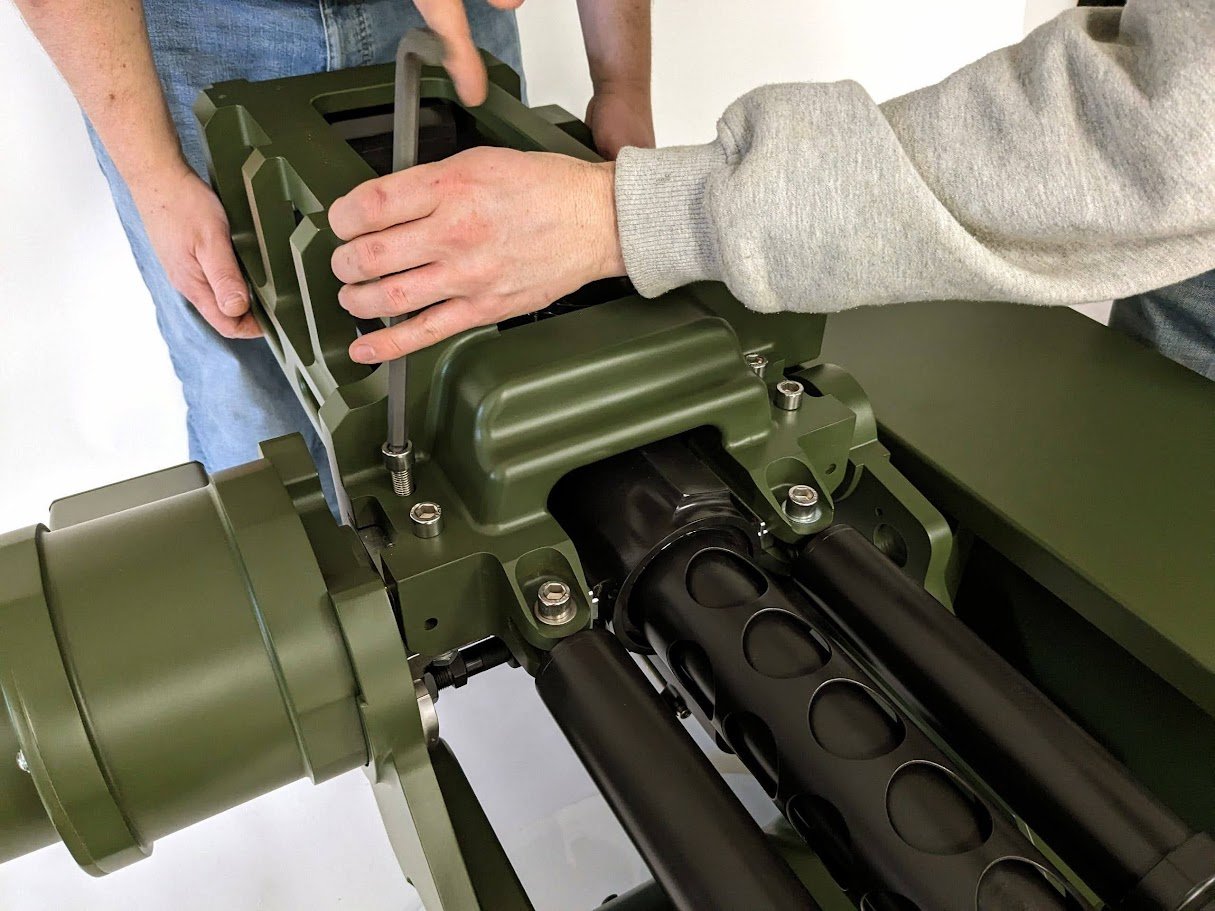
Step 6: Aftercare, Storage and Maintenance for Commissioned Replica Models
Long-term value from commissioning a replica model depends on professional aftercare, proper storage, and systematic maintenance programmes that preserve functionality, appearance, and structural integrity throughout extended operational lifecycles. This phase ensures continued return on investment and sustained model performance.
Comprehensive care documentation provides detailed guidance for optimal model maintenance, storage requirements, and handling procedures. Professional model makers supply customised care instructions based on specific materials, construction methods, and environmental conditions. Documentation includes recommended cleaning procedures, inspection schedules, and preventive maintenance tasks.
Storage environment optimisation requires controlled conditions that protect models from temperature fluctuations, humidity variations, and potential physical damage. Professional storage solutions include custom cases, climate-controlled facilities, and security provisions appropriate to model value and sensitivity.
Maintenance programme development for commissioning a replica model establishes systematic procedures for ongoing model care including routine inspections, cleaning protocols, and component replacement schedules. Preventive maintenance extends model lifespan whilst minimising unexpected repair requirements.
Repair and refurbishment services address inevitable wear, damage, or updating requirements over extended operational periods. Professional model makers maintain detailed construction records enabling accurate restoration of damaged components or modification to reflect design changes.
Performance monitoring systems for commissioning a replica model track model condition over time through systematic inspection and documentation. Regular assessment identifies emerging issues before they become serious problems, enabling cost-effective preventive interventions.
Upgrade and modification capabilities accommodate changing requirements, technology updates, or enhanced functionality needs. Professional model makers can incorporate new features, update components, or modify existing models to reflect evolving project requirements.
Training and support services ensure client personnel understand proper model handling, basic maintenance procedures, and appropriate storage techniques. Professional training reduces damage risk whilst empowering clients to maintain their investments effectively.
Warranty and service agreements provide ongoing support including emergency repair services, component replacement, and technical consultation. Professional service agreements ensure rapid response to urgent requirements whilst maintaining model availability for critical applications.
Lifecycle planning addresses long-term model evolution including technology updates, regulatory changes, and changing operational requirements. Professional model makers provide strategic guidance on model enhancement, replacement timing, and lifecycle optimisation.
Asset management integration supports organisational asset tracking, insurance valuation, and financial reporting requirements. Professional documentation enables accurate asset valuation and supports insurance claims if required.
Quality standards maintenance ensures ongoing compliance with British Standards BS 8000 requirements throughout the model’s operational lifecycle.
Defence sector compliance for military applications maintains alignment with Defence Policy for Modelling and Simulation (JSP 939) standards throughout the service period.
Contact Model Products Ltd today
…for comprehensive aftercare programmes that protect your replica model investment and ensure continued performance excellence throughout extended operational lifecycles.
Frequently Asked Questions
What is involved in commissioning a replica model?
Commissioning involves systematic requirement definition, scale and material selection, design review and validation, formal project agreement, manufacturing with quality control, and comprehensive aftercare support. The process typically spans several months depending on model complexity and client requirements.
How long does it take to commission a replica model?
Timeline varies significantly based on model complexity, scale, and client requirements. Simple display models may require 4-8 weeks, whilst complex aerospace or defence applications can take 3-6 months. Early engagement with professional model makers enables accurate timeline estimation and planning.
What industries benefit most from commissioning replica models?
Defence and aerospace organisations use replica models for wind tunnel testing, stakeholder presentations, and training applications. Architects and infrastructure planners utilise models for public consultation, design validation, and project approval processes. Manufacturing and engineering sectors employ models for prototype development and technical communication.
Why commission a physical replica model instead of digital-only visualisation?
Physical models provide irreplaceable tactile engagement, universal accessibility, and memorable stakeholder experiences that digital visualisation cannot fully replicate. They enable hands-on examination, eliminate technical barriers, and create lasting impressions during critical presentations and decision-making processes.
What factors affect the cost of commissioning a replica model?
Cost factors include model scale, material selection, complexity level, manufacturing technologies required, timeline constraints, and finishing quality expectations. Professional model makers provide detailed cost estimates based on specific requirements whilst recommending optimisation opportunities to maximise value within budget constraints.
References & Citations:
#commissioningareplica #replicamodels #scalemodels #precisionmodelmaking #UKengineering #modelproductsUK #defencemodels #aerospacemodels #infrastructuremodels #bespokemodels #modelmakingUK #UKmanufacturing #craftedintheUK #scaleengineering #designengineeringUK #professionalmodelmakers #modelcommissioning #replicamodelprocess #scalemodelsfordefence #aerospacemodelUK
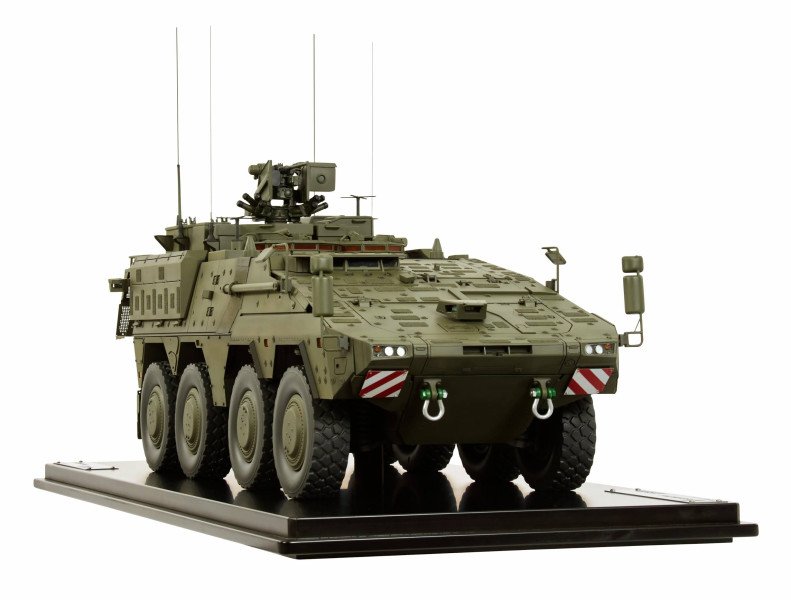
Author bio for Model Products UK
Model Products Ltd is a UK-based specialist model making company, trusted by leading organisations to turn complex ideas into precise, tangible models that inform, persuade, and inspire. With over 60 years of combined experience in engineering, product design, and model making, the team blends traditional craftsmanship with advanced 3D printing, CNC machining, and modern fabrication techniques to deliver highly detailed, accurate, and durable models. From defence and aerospace to architecture, transport and infrastructure, R&D, agriculture, and commercial sales and marketing, Model Products creates bespoke scale models, working mechanical models, and exhibition display pieces tailored to each client’s objectives. Known for clear communication, rigorous attention to detail, and on-time delivery, the company supports projects at every stage – from early concept visualisation through to stakeholder presentations, training, and live event demonstrations.
By combining precision engineering with creative problem-solving, Model Products Ltd helps organisations de-risk decisions, showcase innovation, and bring complex stories to life in a way that digital visuals alone cannot achieve.