


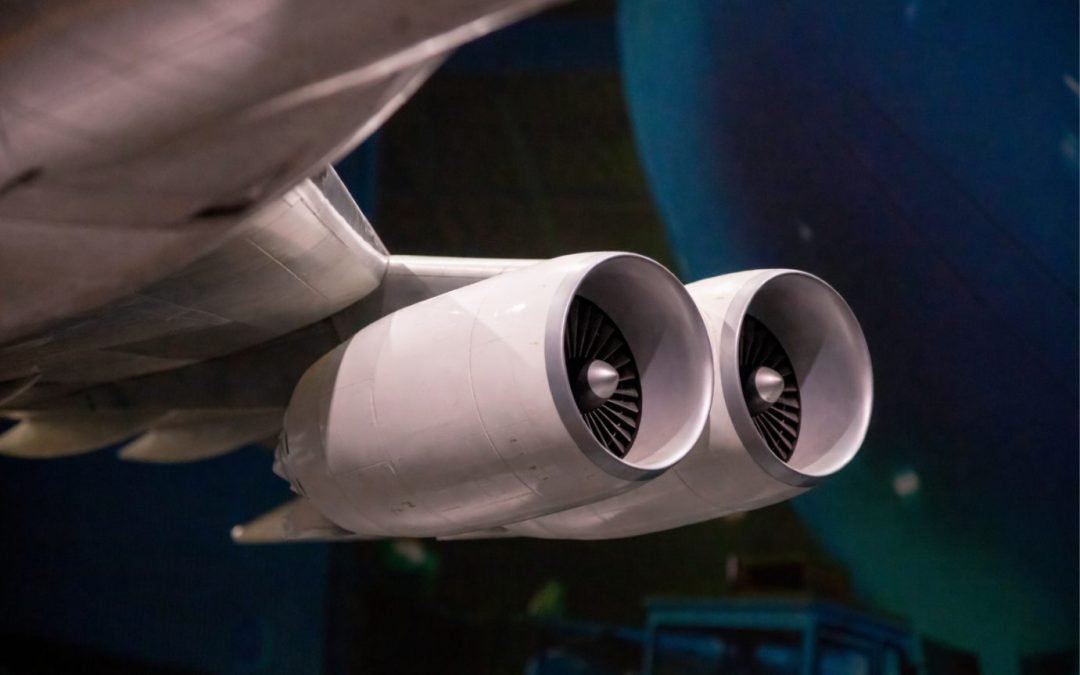
Mechanical model makers are skilled craftspeople who turn engineering designs into accurate physical models with working mechanisms, moving parts and precision-machined detail, blending CNC machining, 3D printing and traditional handcraft. Model Products Ltd provides mechanical model making to aerospace, defence, marine engineering, automotive, pharmaceutical and product-development teams from Wootton, Bedfordshire, working from CAD, drawings or reference imagery. With over 60 years of combined experience, we have delivered for UK and international engineering programmes for such companies as Hensoldt, Safran and Imperial College, London.
How Expert Mechanical Model Makers Bridge the Gap Between Concept and Tangible Innovation
In an era dominated by digital simulation and virtual prototyping, the enduring value of mechanical model makers might seem paradoxical. Yet across industries as diverse as aerospace, defence, marine engineering, museum curation and product development, these highly skilled craftspeople remain indispensable. Mechanical model makers possess a unique blend of traditional artisanship and contemporary technological expertise, enabling them to transform abstract engineering concepts, architectural visions and industrial designs into tangible, three-dimensional representations that can be touched, tested and thoroughly evaluated.
The craft has evolved dramatically since the term “model engineering” first entered common usage in 1888, yet the fundamental principle endures: physical models provide insights, validation and communication capabilities that purely digital representations cannot match.
The heritage of mechanical model makers runs remarkably deep, with professional model making emerging as a distinct occupation during Britain’s industrial revolution. Some of the earliest professional model makers were French prisoners of war detained in Britain during the Napoleonic Wars until 1815. These skilled craftsmen, conscripts rather than career military personnel, possessed diverse technical abilities including metalworking, woodworking and precision assembly.
They channelled their expertise into creating exquisite automatons, working mechanical models and intricate ship models from salvaged bone and other materials available within their confinement. As Britain’s industrial economy matured throughout the 19th century, model making transitioned from wartime necessity to commercial profession, with scientific instrument makers, jewellers and specialised workshops producing models for patent demonstrations, technical education, capital venture visualisations and manufacturer advertisements.
Pioneering engineers recognised the practical value of mechanical models early in the industrial age. James Watt, whose innovations revolutionised steam engine technology, created detailed working models to test design concepts and demonstrate principles to potential investors and manufacturing partners. The tradition continued through generations, with legendary figures including Charles Babbage designing his Difference Engine – a towering mechanical computer comprising thousands of precision brass gears and rods capable of automated mathematical calculations.
When modern engineers finally constructed Babbage’s design in 1991 based on his original specifications, the machine worked flawlessly, testament both to Babbage’s genius and to the enduring principles of mechanical model making that he embodied. Women also contributed significantly to the field’s development, though their achievements often received less recognition.
Blanche Thornycroft worked alongside her father testing scale models of innovative hull designs in custom-built test ponds, meticulously recording performance data that informed ship construction. Their test facility survives today, and ship models have recently been recovered from the pond bottom – perhaps representing less successful design iterations that informed subsequent improvements.
Contemporary mechanical model makers operate at the intersection of centuries-old craftsmanship traditions and cutting-edge manufacturing technologies. Leading UK firms such as JH May, with over 100 years of continuous operation since 1919, exemplify this synthesis.
Their Essex workshops house both skilled artisans trained in traditional hand-finishing techniques and state-of-the-art 5-axis CNC machining centres, 3D printing systems, laser scanning equipment and computer-aided design workstations. This technological diversity enables mechanical model makers to select optimal manufacturing approaches for each project component – perhaps 3D printing complex internal geometries whilst CNC machining critical surfaces requiring tight tolerances, then hand-finishing aesthetic details to museum-quality standards.
The integration of mechanical and product development teams with advanced CNC capabilities through sister companies provides comprehensive prototyping services that few competitors can match, particularly for projects requiring complex mechanical assemblies, articulating components or animated displays.
Understanding the Craft: What Mechanical Model Makers Actually Do
Mechanical model makers create physical, three-dimensional representations of objects, systems or concepts across an extraordinary range of scales, complexities and applications. Unlike architectural model makers who focus primarily on buildings and urban environments, or product designers who emphasise aesthetics and user experience, mechanical model makers specialise in representing mechanical systems, engineering components, functional assemblies and technical equipment.
Their work demands intimate understanding of how mechanical devices operate, how forces act upon structures, how materials behave under stress and how individual components interact within larger systems. This technical knowledge distinguishes mechanical model makers from general craftspeople and positions them as essential collaborators in engineering development processes.
The scope of projects undertaken by mechanical model makers spans from millimetre-scale precision components to full-scale working prototypes of vehicles, industrial equipment and aerospace systems. Defence and aerospace applications represent particularly demanding segments, where mechanical model makers produce wind tunnel test models requiring exceptional dimensional accuracy, scale replicas of aircraft components for training purposes, functional prototypes of mechanical assemblies for validation testing, and presentation models demonstrating proposed systems to military procurement authorities.
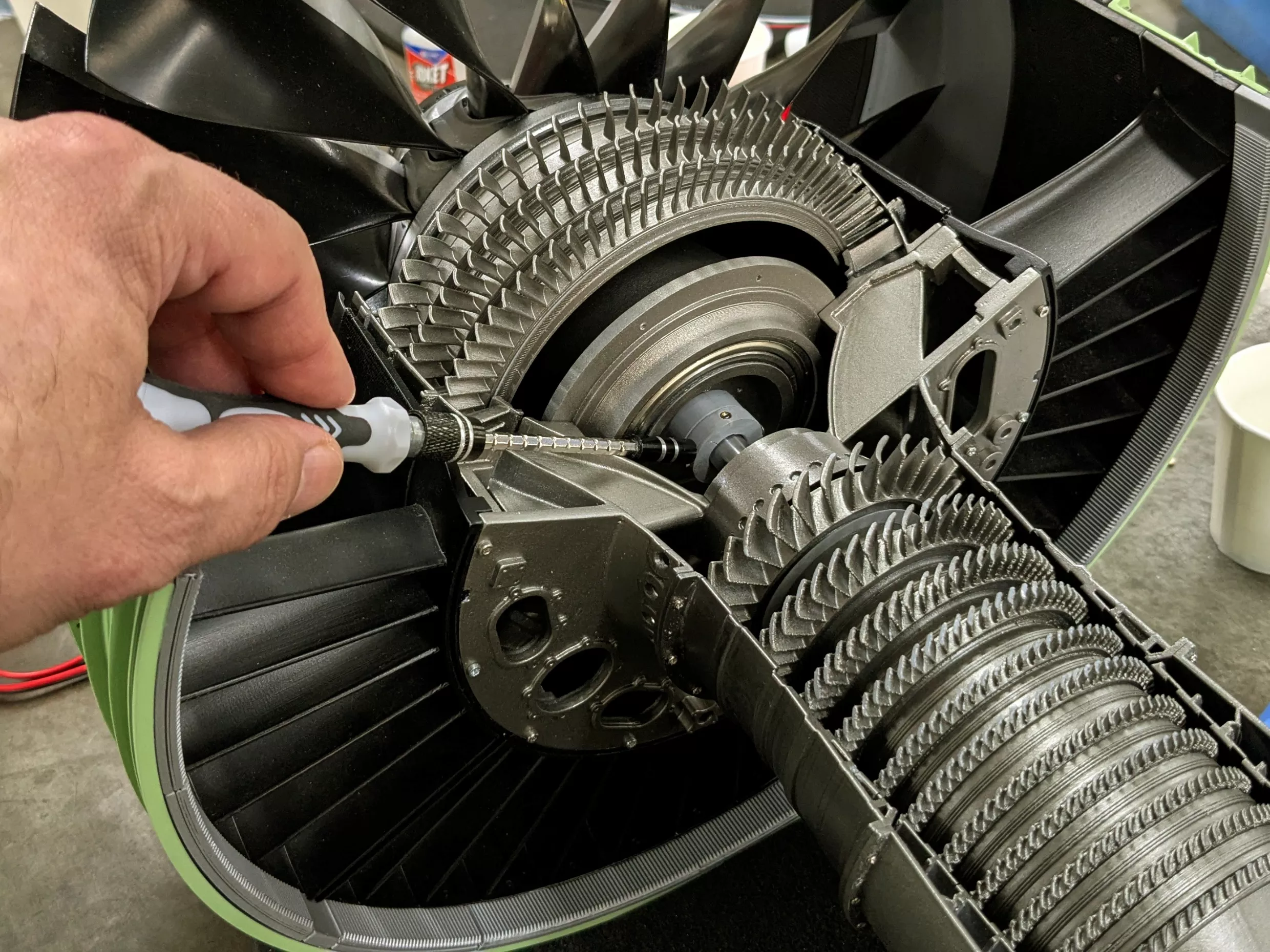
Marine applications include hull models for hydrodynamic testing, detailed ship replicas for museums and heritage organisations, and working mechanical models of propulsion systems, deck machinery and navigation equipment. Museum and exhibition contexts engage mechanical model makers to create interactive displays demonstrating engineering principles, historical reconstructions of vintage machinery, cutaway models revealing internal mechanisms, and educational exhibits that engage public audiences with complex technical concepts.
The technical challenges mechanical model makers address vary considerably depending on project requirements but generally fall into several categories. Form-and-fit models emphasise dimensional accuracy and aesthetic appearance, enabling stakeholders to evaluate size, shape, proportion and visual characteristics without necessarily replicating functional performance.
These models prove invaluable during design reviews, marketing presentations and client consultations where physical presence conveys information that drawings and digital renderings cannot communicate effectively. Functional prototypes, conversely, prioritise operational performance over aesthetics, incorporating working mechanisms, moving parts, power transmission systems and realistic material properties. Engineers employ functional prototypes to verify design calculations, test assembly procedures, identify interference issues, evaluate ergonomics and validate manufacturing feasibility before committing to expensive production tooling.
Working models represent the pinnacle of mechanical model maker expertise, combining accurate external appearance with fully functional internal mechanisms. These sophisticated creations enable comprehensive testing under realistic operating conditions, providing data about mechanical efficiency, structural integrity, thermal characteristics, vibration behaviour and operational reliability. The pharmaceutical and medical device industries, for instance, utilise working models to evaluate injection mechanisms, dosing accuracy, user interface ergonomics and packaging integration.
Automotive manufacturers employ working models to assess suspension geometry, steering characteristics, door mechanisms and seat adjustment systems. Industrial equipment producers test working models of hydraulic systems, pneumatic controls, electrical assemblies and safety interlocks. In each case, the physical model reveals insights about real-world performance that computer simulations, however sophisticated, cannot fully predict.
Traditional Craftsmanship Meets Modern Manufacturing Technology
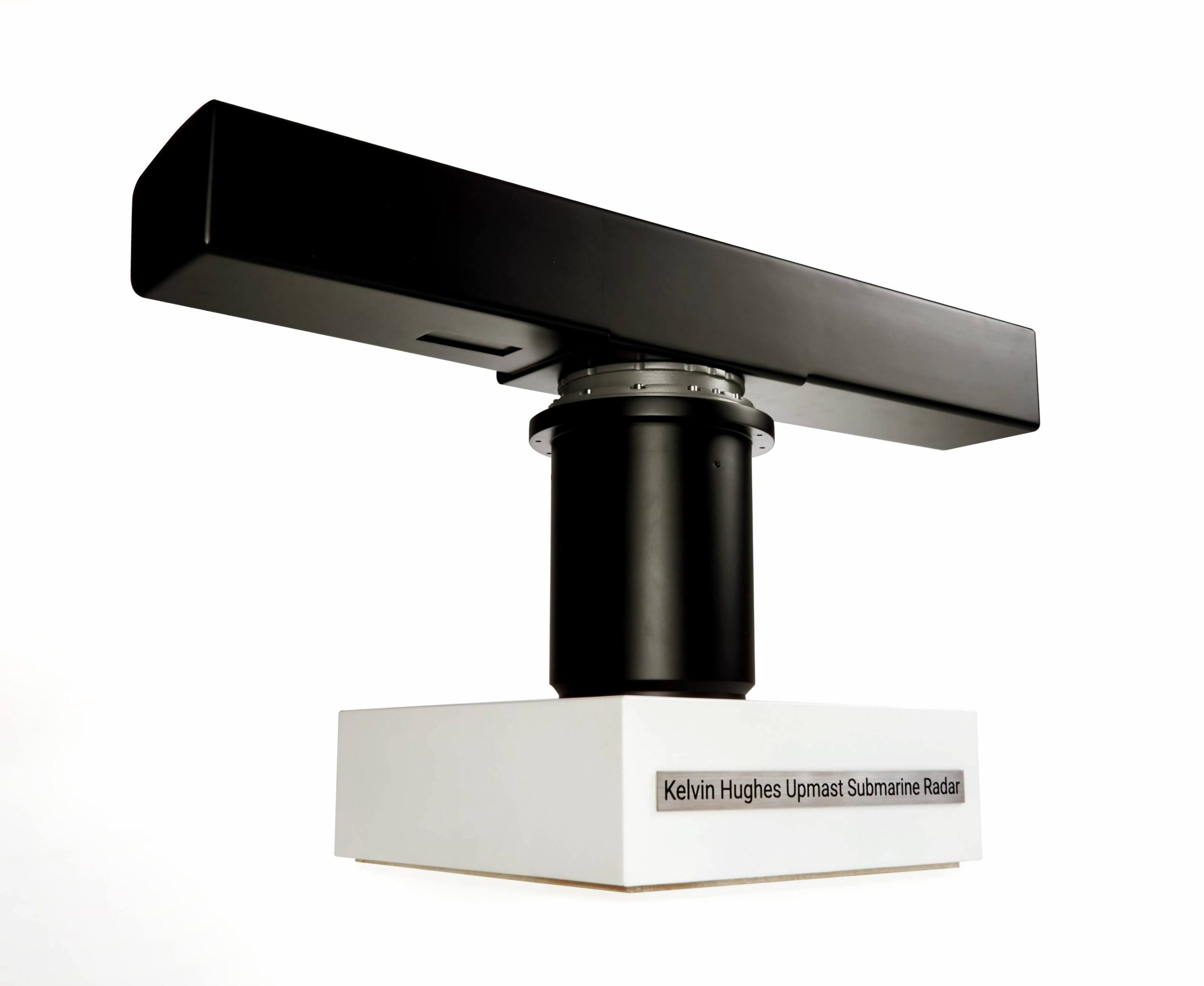
The evolution of tools and techniques available to mechanical model makers has transformed the profession whilst preserving its essential character. Traditional handcrafting methods remain central to the work, particularly for projects requiring artistic refinement, unique one-off pieces or historically accurate reconstructions. Hand carving enables mechanical model makers to shape wood and clay into organic forms difficult to achieve through automated processes.
Metal sculpting techniques borrowed from jewellery making and instrument craftsmanship allow creation of intricate brass fittings, polished steel components and decorative details. Plaster casting facilitates reproduction of complex shapes, whilst traditional joinery methods ensure robust structural integrity in wooden assemblies. These time-honoured techniques require years of apprenticeship and practice to master, representing accumulated wisdom passed down through generations of craftspeople.
Contemporary mechanical model makers augment traditional skills with advanced manufacturing technologies that dramatically expand capabilities whilst reducing production timescales. Computer Numerical Control (CNC) machining has revolutionised the profession, enabling mechanical model makers to produce components with tolerances measured in hundredths of millimetres – precision previously achievable only through painstaking manual work by master craftspeople. Five-axis CNC machines can simultaneously control cutting tool position in three spatial dimensions plus two rotational axes, enabling production of extraordinarily complex three-dimensional forms in a single setup.
CNC lathes produce cylindrical components including shafts, bushings, pulleys and threaded fasteners with perfect concentricity and surface finish. The integration of CNC capabilities allows mechanical model makers to manufacture precision mechanical assemblies incorporating gears, bearings, sliding mechanisms and threaded connections that function exactly as their full-scale counterparts.
Additive manufacturing technologies, commonly termed 3D printing, have become standard tools in the mechanical model maker’s workshop. Fused Deposition Modelling (FDM) systems build objects by extruding thermoplastic filament through heated nozzles, creating prototypes suitable for form evaluation, assembly testing and basic functional validation. Stereolithography (SLA) employs ultraviolet lasers to cure liquid photopolymer resins into solid objects with exceptional surface quality and fine detail resolution, ideal for master patterns, presentation models and components requiring smooth finishes.
Selective Laser Sintering (SLS) fuses nylon and engineering thermoplastic powders into durable parts capable of withstanding mechanical loads, thermal cycling and realistic functional testing. The ability to transition seamlessly between additive and subtractive manufacturing processes – perhaps 3D printing a complex housing then CNC machining mounting holes to precise locations – exemplifies the technological versatility modern mechanical model makers command.
Laser cutting and engraving technologies enable mechanical model makers to process sheet materials including acrylic, wood, cardboard, leather and thin metals with exceptional precision and speed. Computer-controlled laser systems follow digital cutting paths, producing intricate components, decorative details, structural panels and assemblies that would require hours of manual cutting.
Laser scanning capabilities allow mechanical model makers to capture three-dimensional geometry from physical objects, reverse-engineering existing components, documenting vintage equipment or creating digital models from hand-sculpted clay originals. The resulting point cloud data feeds into CAD systems, enabling mechanical model makers to blend digital design with physical artefacts in hybrid workflows that leverage the strengths of both domains.
Materials Science: Selecting Optimal Substances for Each Application
Material selection constitutes one of the most critical decisions mechanical model makers face, profoundly influencing model appearance, performance, durability, manufacturing feasibility and cost. The extraordinary diversity of available materials enables mechanical model makers to match properties precisely to application requirements, balancing competing priorities including strength, weight, machinability, surface finish, environmental resistance and aesthetic character. Understanding material characteristics, processing requirements and performance limitations distinguishes experienced mechanical model makers from novices, and represents knowledge accumulated through years of practical experience across diverse projects.
Wood remains fundamental to mechanical model making despite the proliferation of synthetic alternatives. Balsa wood, prized for its exceptional lightness and ease of cutting, enables rapid concept model construction and educational projects where students learn basic principles. Its low density and soft texture allow clean cuts with simple hand tools, whilst its ability to accept glue, paint and finishes makes balsa suitable for quick prototyping and design iteration. However, balsa’s softness and fragility limit applications requiring structural integrity or precise dimensional stability.
Basswood offers superior strength and dimensional consistency whilst maintaining good workability, making it the preferred choice for structural elements, precision components and architectural details. Thin basswood sheets laser-cut to exacting tolerances produce clean, crisp parts ideal for layered assemblies. Hardwoods including oak, walnut and mahogany provide the strength and refinement necessary for high-quality presentation models, historical reconstructions and permanent museum displays, though their density demands power tools and generates substantial machining forces.
Plastics encompass an extraordinarily diverse family of materials that mechanical model makers exploit for their versatility, availability and processing characteristics. Foamcore – a sandwich construction comprising polystyrene or polyurethane foam between smooth paper or plastic face sheets -enables rapid prototyping of architectural concepts, exhibition displays and educational models. Its lightweight structure, ease of cutting and ability to form compound curves through scoring and bending make foamcore ideal for conceptual work, though its limited strength and durability preclude functional testing applications.
Acrylic sheets provide optical clarity for windows, lenses and transparent enclosures, whilst their rigidity and machinability suit structural applications, decorative details and precision-machined components. Thermoforming techniques allow mechanical model makers to heat and shape acrylic over moulds, creating complex three-dimensional forms including vehicle body panels, housing enclosures and ergonomic surfaces.
Casting resins enable mechanical model makers to produce multiple copies of components from master patterns through vacuum casting or hand-lay processes. Two-part polyurethane resins mixed to precise ratios and poured into silicone moulds cure to form durable parts simulating production thermoplastics including ABS, nylon and polycarbonate. By selecting resin formulations with specific hardness, flexibility, colour and surface properties, mechanical model makers can approximate the look, feel and performance of diverse production materials without expensive injection moulding tooling. Epoxy resins offer superior structural properties for load-bearing applications, joining dissimilar materials and producing chemically resistant components.
Metal components in mechanical models range from simple fasteners and decorative details to precision-machined functional elements. Aluminium alloys provide excellent strength-to-weight ratios, good machinability and corrosion resistance, making them standard choices for structural frameworks, CNC-machined components and functional prototypes requiring realistic mechanical properties.
Brass offers traditional aesthetic appeal plus excellent machinability, corrosion resistance and electrical conductivity, making it ideal for decorative fittings, electrical contacts, threaded inserts and period-appropriate details in historical reconstructions. Steel components provide maximum strength for load-bearing applications, gear teeth, shafts and fasteners, though their weight and machining difficulty require careful consideration. Precious metals including silver find application in jewellery-quality presentation models and ultra-high-value historical reconstructions.
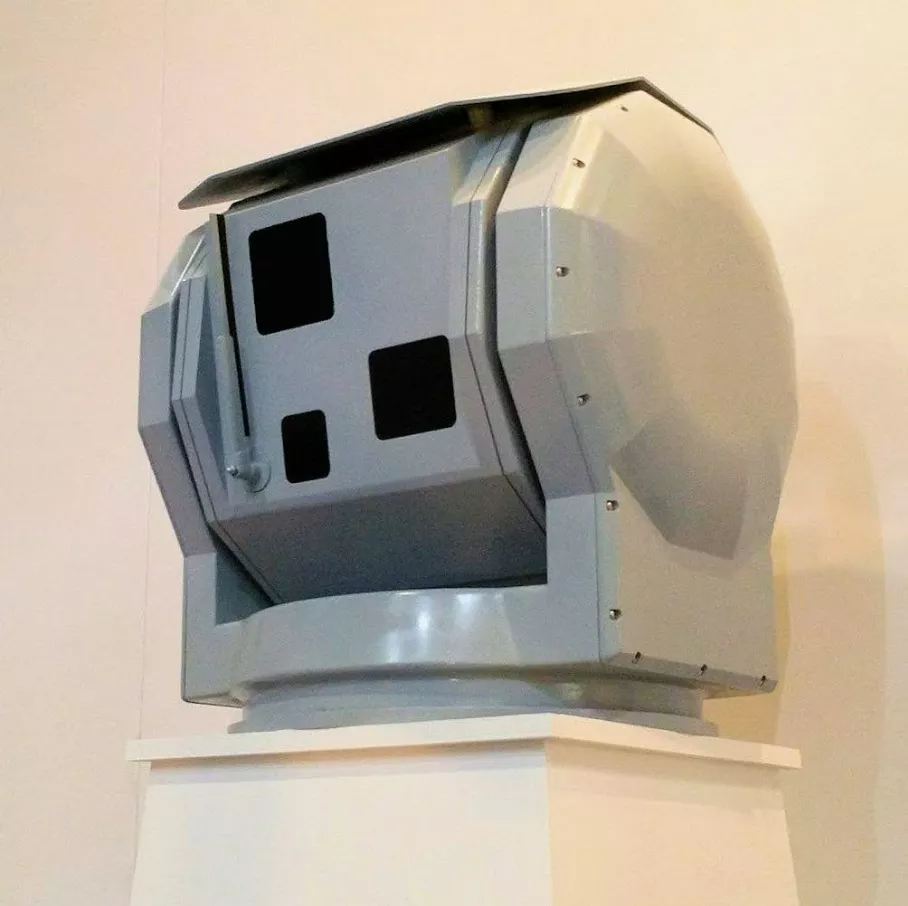
Engineering Standards and Quality Assurance in Model Making
Professional mechanical model makers operate within rigorous quality frameworks ensuring that their work meets dimensional specifications, functional requirements and safety standards. International standards provide common reference points enabling clear communication between model makers, clients and end users whilst establishing baseline expectations for tolerances, materials, testing and documentation.
The International Organization for Standardization (ISO) publishes comprehensive standards applicable to mechanical model making, most notably ISO 2768 which specifies general tolerances for linear and angular dimensions. This standard defines four tolerance classes—fine, medium, coarse and very coarse—enabling designers and mechanical model makers to select appropriate precision levels matching functional requirements and manufacturing capabilities without over-specifying tolerances that increase costs unnecessarily.
ISO 2768 addresses both linear dimensions (lengths, widths, thicknesses, diameters) and angular features (degrees of rotation, tapers, compound angles), providing tolerance bands that vary based on nominal size ranges. For example, the medium tolerance class specifies ±0.1 millimetre tolerance for dimensions between 3 and 6 millimetres, widening to ±0.3 millimetres for dimensions between 30 and 120 millimetres.
This graduated approach acknowledges the reality that maintaining tight tolerances becomes progressively more challenging as component size increases. Angular tolerances similarly scale based on the length of the shorter side forming the angle, ranging from ±1 degree for short dimensions to ±30 arcminutes for longer features. By referencing ISO 2768 tolerance classes on technical drawings rather than specifying individual tolerances for every dimension, mechanical model makers and their clients achieve clear understanding whilst simplifying documentation.
Digital mock-up standards codified in ISO 17599 define requirements for creating, managing and applying three-dimensional digital representations of mechanical products. These standards prove particularly relevant for contemporary mechanical model makers who increasingly work from digital CAD models provided by clients rather than traditional two-dimensional drawings. ISO 17599 specifies that digital mock-ups must completely represent geometric distribution, structural arrangements and component locations whilst reflecting working principles and performance characteristics.
The standard distinguishes between complete digital mock-ups encompassing all product information, scheme digital mock-ups used during conceptual design phases, detailed digital mock-ups representing elaborate engineering designs, and manufacturing digital mock-ups containing machining and assembly specifications. Understanding these distinctions enables mechanical model makers to extract appropriate information from client-provided digital files whilst identifying gaps or ambiguities requiring clarification.
Quality control in mechanical model making encompasses systematic verification that completed models conform to specifications, function as intended and satisfy client requirements. Dimensional inspection using precision measuring instruments including micrometres, callipers, height gauges and coordinate measuring machines verifies that critical dimensions fall within specified tolerances. Functional testing confirms that moving mechanisms operate smoothly, alignments prove correct, clearances permit intended motion and assemblies achieve required performance.
Visual inspection under controlled lighting conditions identifies surface defects, finish irregularities, colour mismatches and aesthetic shortcomings. Documentation including dimension reports, material certificates, assembly instructions and photographic records provides objective evidence of quality whilst supporting client acceptance procedures.

Applications Across Industries: Where Mechanical Model Makers Add Value
The aerospace and defence sectors represent among the most demanding clients of mechanical model makers, where models serve critical functions including design validation, wind tunnel testing, training applications and procurement demonstrations. Aircraft manufacturers commission precision models for evaluating aerodynamic performance in wind tunnel facilities, where even subtle geometric deviations can compromise test data validity. These models demand extraordinary dimensional accuracy, smooth surface finishes and structural rigidity to withstand aerodynamic loads whilst maintaining exact scale relationships.
Defence contractors employ mechanical model makers to produce demonstration models of proposed weapon systems, vehicles and equipment for evaluation by military procurement authorities. These models communicate design intent far more effectively than technical drawings, enabling decision-makers to assess size, spatial relationships, ergonomics and operational characteristics whilst providing compelling visual aids during budget justification processes.
Marine applications leverage the expertise of mechanical model makers for hull performance testing, propulsion system development and historical reconstruction. Naval architects test scale models of proposed hull forms in towing tanks, gathering hydrodynamic data about resistance, stability, wave-making characteristics and seakeeping behaviour. The models must achieve precise geometric accuracy whilst incorporating measurement instrumentation including force transducers, pressure sensors and motion tracking systems.
Propulsion laboratories test models of propellers, waterjets and control surfaces, validating computational predictions against physical measurements. Maritime museums commission detailed ship models for educational displays and historical preservation, where mechanical model makers replicate rigging systems, deck equipment, steering mechanisms and auxiliary machinery with meticulous attention to period-correct materials, construction techniques and operational fidelity.
Museum and exhibition contexts engage mechanical model makers to create interactive displays that educate, engage and inspire public audiences. The Clark Collection of Mechanical Movements at Boston’s Museum of Science, built during the 1920s, showcases 120 panels of working mechanical mechanisms including gears, linkages, cams and complex motion transformations.
Each panel contains beautifully crafted models demonstrating fundamental mechanical principles, enabling visitors to observe how rotary motion converts to linear motion, how intermittent motion generates from continuous rotation and how mechanical advantage multiplies force. Contemporary exhibitions continue this tradition, with touring collections such as Cabaret Mechanical Marvels featuring automata created by leading UK mechanical model makers. These whimsical machines employ cams, levers and linkages to animate characters telling amusing stories, entertaining audiences whilst revealing the elegant engineering beneath playful exteriors.
Product development organisations employ mechanical model makers throughout the design cycle, from early concept exploration through detailed engineering validation to pre-production testing. Initial concept models built from foam, clay and simple assemblies enable designers and engineers to evaluate proportions, spatial arrangements and basic functionality quickly and economically.
These rough prototypes support rapid design iteration, facilitating creative exploration without the constraints imposed by refined manufacturing processes. As designs mature, mechanical model makers produce increasingly sophisticated prototypes incorporating working mechanisms, realistic materials and refined finishes. Functional prototypes enable comprehensive testing including ergonomic evaluation, assembly verification, durability assessment and user trials. The insights gained through physical prototyping often reveal issues that computer simulations overlook, including unexpected interference during assembly, ergonomic shortcomings, material incompatibilities and manufacturing challenges.
The Creative Process: From Client Brief to Finished Model
Professional mechanical model makers approach each project through systematic processes balancing creative problem-solving with methodical engineering discipline. The journey typically commences with client consultation, during which mechanical model makers gather essential information including project objectives, intended applications, scale requirements, budget parameters and schedule constraints.
Understanding why the client needs the model proves as important as understanding what the model should depict – a wind tunnel test model demands entirely different characteristics than a museum display piece or investor presentation model. Experienced mechanical model makers ask probing questions eliciting critical details including dimensional accuracy requirements, material preferences, environmental conditions the model will experience, animation or lighting integration, transport and storage considerations, and longevity expectations.
Design development translates client requirements into actionable manufacturing plans. Mechanical model makers review available documentation including CAD files, technical drawings, photographs, sketches and written specifications, identifying information gaps requiring clarification.
They develop manufacturing strategies specifying which components will employ which processes – perhaps CNC machining aluminium structural elements, 3D printing complex housings, laser cutting acrylic panels, hand-fabricating decorative details and sourcing commercial fasteners. Material selection balances functional requirements, aesthetic objectives, manufacturing capabilities and budget constraints. Timeline planning sequences operations logically, identifying critical path activities, procurement lead times for specialty materials and opportunities for parallel processing to compress schedules.
Fabrication represents the tangible realisation of careful planning, where raw materials transform into precision components through the mechanical model maker’s craft. CNC programs guide automated machinery through complex three-dimensional cutting paths, removing material to reveal intended forms. 3D printers build components layer by layer, transforming digital geometries into physical objects. Laser cutters follow programmed paths through sheet materials, liberating flat patterns that will fold, bend or assemble into three-dimensional structures.
Alongside automated processes, skilled handwork remains essential – filing edges smooth, fitting joints precisely, shaping compound curves, applying finishes and achieving surface qualities that distinguish exceptional work from merely adequate production. The synthesis of automated efficiency and artisanal refinement characterises the best mechanical model makers.
Assembly requires both technical competence and patience, as individual components unite into coherent systems. Mechanical model makers verify fit and alignment, make minor adjustments ensuring proper clearances, test moving mechanisms for smooth operation and troubleshoot unexpected issues. Adhesives must be selected appropriately for materials being joined, applied in correct quantities and allowed adequate cure time.
Mechanical fasteners require proper torque, appropriate thread engagement and, often, safety wiring or locking features preventing loosening. For complex assemblies, mechanical model makers create assembly fixtures ensuring consistent alignment and supporting components during joining operations. Quality inspection proceeds concurrently with assembly, verifying dimensional conformance, functional performance and aesthetic standards before subsequent operations make corrections difficult or impossible.
Finishing operations transform assembled models from raw constructions into refined presentations. Surface preparation including sanding, filling, priming and polishing establishes smooth, uniform foundations for subsequent treatments. Paint application demands controlled environments, proper equipment and refined technique achieving even coverage, correct colour matching and durable finishes resistant to handling and environmental exposure.
Mechanical model makers employ specialised techniques including airbrushing for subtle gradations, masking for crisp colour separations, weathering for realistic aging effects and clear coating for protection and depth. Final detailing adds the subtle touches distinguishing exceptional work – precise decals, hand-painted accents, realistic weathering, proper scale fasteners and authentic surface textures that reward close inspection.

Comparing Traditional Craftsmanship and Digital Technologies
The relationship between traditional handcrafting methods and modern digital fabrication technologies sparks ongoing discussion among mechanical model makers, clients and industry observers. Some view these approaches as competing alternatives requiring selection between opposed philosophies – either embracing cutting-edge automation or maintaining traditional artisanal values. Experienced practitioners recognise this framing as false dichotomy.
The most capable mechanical model makers command both traditional skills and contemporary technologies, selecting optimal approaches for each project component based on functional requirements, aesthetic objectives, schedule constraints and budget realities. Traditional techniques offer advantages including artistic refinement, unique character, adaptive problem-solving and sensory feedback that digital processes cannot replicate. Digital technologies provide speed, repeatability, complexity and precision beyond manual capabilities.
Traditional hand-built models exemplify craftsmanship’s enduring value. Skilled artisans shape materials through direct physical manipulation, sensing resistance, observing grain direction, hearing cutting sounds and feeling surface textures that inform moment-by-moment decisions. This intimate connection between craftsperson and material enables subtle refinements, artistic interpretation and adaptive responses to unexpected challenges that programmed machines cannot achieve.
Hand-carved details possess character and uniqueness that distinguish them from mass-produced components. Surface finishes achieved through patient hand-sanding, polishing and rubbing exhibit depth and warmth that spray-applied coatings often lack. For presentation models, museum displays and historically significant reconstructions, these qualities justify the additional time and cost traditional methods require.
Digital fabrication technologies excel in applications demanding precision, repeatability or geometric complexity. CNC machining produces components with dimensional tolerances and surface finishes that few craftspeople can match through manual techniques, particularly for features including threaded holes, precise diameters, compound angles and three-dimensional contours.
When multiple identical components are required, CNC processes deliver perfect consistency whilst manual fabrication introduces inevitable variations. Computer control enables production of features physically impossible through conventional machining – undercut pockets, internal cavities, interlocking geometries and organic forms following mathematically defined surfaces. The speed advantages prove equally compelling; CNC machines operate continuously, producing complex components overnight whilst skilled craftspeople sleep. For time-critical projects, digital automation often represents the only viable approach.
Hybrid methodologies synthesising traditional and digital approaches increasingly represent best practice. Mechanical model makers might CNC machine structural frameworks ensuring precise alignment interfaces, then hand-craft decorative elements adding artistic refinement.
Base components could be 3D printed rapidly, followed by hand-finishing removing layer lines, refining surfaces and adding textures impossible to print directly. Master patterns created through traditional sculpting might be laser scanned, digitally refined, then CNC machined in final materials at different scales. This flexible, pragmatic approach leverages each technology’s strengths whilst mitigating limitations, delivering superior outcomes compared to dogmatic adherence to single methodologies.
The Future of Mechanical Model Making: Emerging Trends and Technologies
Artificial intelligence and machine learning technologies promise transformative impacts on mechanical model making, though their full implications remain subjects of spirited debate. AI-powered design optimisation tools already assist engineers exploring design spaces more comprehensively than manual iteration permits, generating thousands of variations evaluated against performance criteria, manufacturing constraints and cost targets. These generative design capabilities will increasingly inform the models mechanical model makers produce, potentially reducing iteration cycles whilst creating geometries challenging traditional intuitions. Machine learning systems trained on vast repositories of successful models might suggest materials, processes and construction sequences optimised for specific applications, augmenting experienced practitioners’ expertise whilst accelerating novice learning curves.
The transition toward model-based engineering practices fundamentally alters how mechanical model makers receive specifications and interact with clients. Historically, two-dimensional engineering drawings represented authoritative design documentation, with mechanical model makers interpreting orthographic projections, section views and detail callouts to construct three-dimensional objects. Contemporary practice increasingly employs three-dimensional CAD models as authoritative design sources, with traditional drawings relegated to supplementary references or eliminated entirely.
This shift demands that mechanical model makers develop sophisticated CAD literacy, extracting geometric data, material specifications and assembly relationships directly from digital models whilst identifying ambiguities, errors and manufacturability issues that inexperienced designers overlook. The cultural transformation required extends beyond technical training to encompass fundamental changes in how organisations communicate design intent, approve modifications and maintain configuration control.
Advanced manufacturing technologies continue proliferating, expanding capabilities available to mechanical model makers whilst reducing costs and improving accessibility. Multi-material 3D printing systems can produce components incorporating different polymers, metals or composite materials within single build operations, enabling creation of assemblies previously requiring fabrication and joining of separate parts.
Continuous fibre reinforcement in additive manufacturing embeds carbon fibre, glass fibre or aramid strands within polymer matrices, dramatically improving strength and stiffness whilst maintaining the geometric freedom additive processes provide. Metal additive manufacturing technologies including Direct Metal Laser Sintering (DMLS) and Electron Beam Melting (EBM) enable production of fully functional metal prototypes in aluminium, titanium, stainless steel and exotic alloys, supporting applications demanding production-representative material properties.
Sustainability considerations increasingly influence material selection, manufacturing processes and end-of-life planning for mechanical models. Environmental consciousness drives adoption of bio-based and recycled materials, water-based adhesives and coatings, energy-efficient manufacturing processes and design approaches facilitating disassembly, refurbishment or recycling.
Clients increasingly request environmental impact assessments, carbon footprint calculations and material sourcing transparency. Forward-thinking mechanical model makers proactively address sustainability, positioning environmental responsibility as competitive advantage rather than regulatory burden. The transition toward circular economy principles challenges traditional make-use-dispose patterns, encouraging mechanical model makers to design for durability, plan for maintenance and consider ultimate material recovery.
Frequently Asked Questions
How do mechanical model makers differ from 3D printing services?
Whilst 3D printing represents one tool within the mechanical model maker’s capabilities, the profession encompasses far broader expertise. Mechanical model makers combine multiple manufacturing processes including CNC machining, laser cutting, hand fabrication, casting, assembly and finishing to create complete models optimised for specific applications. They possess engineering knowledge enabling intelligent interpretation of technical documentation, identification of design issues and recommendations for improvements. Their craftsmanship skills produce refined aesthetic finishes, smooth surface qualities and subtle details that raw 3D printed components lack. Most importantly, mechanical model makers understand how their creations will be used, tailoring design and construction approaches to match functional requirements rather than simply reproducing digital geometries.
What information do mechanical model makers need to provide accurate quotes?
Comprehensive quotations require sufficient information for mechanical model makers to understand project scope, technical requirements and client expectations. Ideally, provide detailed technical drawings, CAD files, photographs of reference objects, written specifications and clearly stated objectives. However, experienced mechanical model makers can work with limited information during early conceptual phases, offering rough estimates from verbal descriptions whilst identifying critical details requiring clarification. Essential information includes intended scale, required accuracy levels, material preferences or constraints, environmental conditions the model will experience, animation or lighting requirements, quantity needed, budget parameters and schedule expectations. The more completely clients communicate requirements upfront, the more accurately mechanical model makers can estimate costs and timelines.
How long does it take to create a mechanical model?
Timeline varies enormously based on size, complexity, detail level, material selection and quantity required. Simple concept models might be completed within several days, whilst large, complex museum-quality pieces incorporating intricate mechanisms and refined finishes could require five to eight weeks or longer. Most commercial projects fall within two to four week timeframes from order placement to delivery. Factors extending schedules include custom material sourcing, client review and approval cycles, specialised finishing requirements and capacity constraints within the model maker’s workshop. Rush services can compress timelines when necessary, though expedited production typically incurs premium pricing reflecting overtime labour, expedited material procurement and disruption to other scheduled work.
Can mechanical model makers work from photographs or sketches rather than formal drawings?
Yes, experienced mechanical model makers regularly work from informal documentation including photographs, hand sketches, verbal descriptions and reference to similar existing objects. Their expertise enables interpretation of incomplete information, inference of hidden details and intelligent extrapolation from partial specifications. However, less formal documentation increases uncertainty, requires more client interaction for clarification and may necessitate iterative refinement as clients review prototypes and request modifications. For simple conceptual models where precise dimensional accuracy matters less than general appearance and proportions, photographs and sketches often suffice. For functional prototypes requiring precise fits, specific tolerances or accurate material properties, formal technical drawings or CAD models significantly improve outcomes whilst reducing revision cycles.
What materials do mechanical model makers commonly use?
Material selection depends on application requirements, balancing properties including strength, weight, appearance, machinability, environmental resistance, cost and availability. Common choices include woods (balsa for rapid prototyping, basswood for precision work, hardwoods for refined presentation pieces), plastics (acrylic sheets, foamcore, various casting resins, 3D printer filaments), metals (aluminium alloys for structural components, brass for decorative fittings and threaded inserts, steel for maximum strength applications), and specialised materials including plaster, clay, composite laminates and architectural modelling media. The best mechanical model makers maintain extensive material inventories whilst cultivating relationships with specialised suppliers providing exotic materials, custom formulations and expedited delivery for time-critical projects.
How much do mechanical models cost?
Pricing varies from hundreds for simple concept pieces to many thousands of pounds for large, complex models incorporating intricate mechanisms, refined finishes and extensive hand craftsmanship. No standard rate structure exists because every project presents unique requirements. Size influences cost through material consumption and fabrication time. Complexity affects cost through engineering challenges, assembly intricacy and finishing difficulty. Detail level impacts cost through precision requirements and time-consuming refinements. Material selection substantially affects budgets, with exotic metals, specialised composites and custom formulations commanding premium prices. Experienced mechanical model makers provide detailed quotations itemising materials, labour, subcontracted processes and contingencies, enabling clients to make informed decisions about scope, specifications and trade-offs.
Can mechanical models include working mechanisms and moving parts?
Absolutely. Mechanical model makers excel at creating functional mechanisms, animated displays and working prototypes incorporating motors, gears, linkages, pneumatic actuators, hydraulic systems and electronic controls. Museum exhibits often feature working models demonstrating engineering principles through visible mechanisms visitors can observe in motion. Product development prototypes include functioning assemblies enabling evaluation of kinematics, force transmission, wear characteristics and operational performance. Trade show displays incorporate animated elements attracting attention and demonstrating product capabilities. The complexity of working mechanisms ranges from simple hand-cranked operations to sophisticated computer-controlled motion systems, with costs and timelines scaling accordingly.
What's the difference between mechanical model makers and industrial designers?
Industrial designers focus primarily on aesthetics, user experience, market positioning and design intent, creating concepts that balance form and function for commercial products. Mechanical model makers translate designs into physical reality, possessing technical knowledge about materials, manufacturing processes, structural integrity and mechanical function that enables them to construct working prototypes from designers’ concepts. The disciplines complement each other—industrial designers create compelling visions, whilst mechanical model makers determine how to actually build them and identify practical issues requiring resolution. Many projects benefit from close collaboration between both specialities, with industrial designers refining aesthetics and user interfaces whilst mechanical model makers engineer internal mechanisms, structural frameworks and manufacturing approaches.
Do mechanical model makers provide cases for transport and storage?
Many professional mechanical model makers offer custom case fabrication as optional service, designing protective enclosures tailored to specific model dimensions, fragility and transport requirements. Cases typically feature foam interiors precision-cut to cradle models securely, rigid exterior shells resisting impacts and compression, and convenient handles or wheels facilitating handling. For models requiring frequent transport to trade shows, client presentations or educational venues, properly engineered cases prove essential protecting substantial investments. Some mechanical model makers include basic protective packaging within base pricing, whilst elaborate flight cases with electronics integration, climate control or quick-deployment features command additional charges. Discussing transport and storage requirements during initial consultations enables mechanical model makers to incorporate appropriate protection planning.
#MechanicalModelMakers #ModelMaker #ModelMaking #ScaleModel #EngineeringModel #MechanicalEngineering #PrecisionEngineering #Craftsmanship #Prototyping #CNCMachining #3DPrinting #CADDesign #WorkingModel #EngineeringPrototype #Aerospace #Defence #MuseumExhibit #UKManufacturing #BritishCraftsmanship #MechanicalArt
Reference Section
Museums & Heritage Organisations
- Heritage Crafts
Website: www.heritagecrafts.org.uk
Resource on model engineering heritage and traditional crafts preservation - Science Museum UK
Website: www.sciencemuseum.org.uk
Historical context on models, makers and technology from industrial revolution - Miniature Engineering Craftsmanship Museum
Website: craftsmanshipmuseum.com
Californian museum showcasing precision scale engineering models - Museum of Science, Boston
Website: www.mos.org
Home to the Clark Collection of 120 mechanical movement panels - Compton Verney
Website: www.comptonverney.org.uk
Host of Marvellous Mechanical Museum exhibition featuring 18th century automata - York Castle Museum
Website: www.yorkcastlemuseum.org.uk
Mechanical Marvels exhibition of historic penny arcade machines - St Albans Museums
Website: www.stalbansmuseums.org.uk
Cabaret Mechanical Marvels touring exhibition
Standards & Technical Bodies
- International Organization for Standardization (ISO)
Website: www.iso.org
ISO 2768 (general tolerances), ISO 17599 (digital mock-up), ISO 286 (fits) - British Standards Institution (BSI)
Website: www.bsigroup.com
BS 8888 technical product specification standards - UK Standards Organisation
Website: www.ukstandards.org.uk
SEMPAT327 – Competency standards for producing components by rapid prototyping
Educational & Technical Resources
- StudySmarter
Website: www.studysmarter.co.uk
Model making techniques and engineering education resources - Cambridge Network
Website: www.cambridgenetwork.co.uk
Model making insider’s guides and UK technology innovation - 4D Modelshop
Website: modelshop.co.uk
Comprehensive model making guides and techniques documentation - Make Works
Website: make.works
Professional guide to model making materials and techniques - E-Architect
Website: www.e-architect.com
Techniques and materials for architectural and engineering models
Engineering & Design Resources
- DCA Design
Website: www.dca-design.com
Mathematical modelling and analysis for engineering systems - Xometry Pro
Website: xometry.pro
Manufacturing tolerances, ISO 2768 and ISO 286 standards explained - Fictiv
Website: www.fictiv.com
ISO 2768 international standard for CNC machining tolerances - M.TEC Engineering
Website: mtec-engineering.com
Prototypes and functional models for product development - Manufast
Website: manufast.in
Prototyping in mechanical engineering from concept to reality
Technology & Software
- Autodesk
Website: www.autodesk.com
Software for mechanical engineering and 3D design (AutoCAD, Fusion) - Neural Concept
Website: www.neuralconcept.com
Applications of machine learning in mechanical engineering - CoLab Software
Website: www.colabsoftware.com
Model-based methods and mechanical engineering skill evolution
Materials & Supplies Information
- Wonderland Models
Website: www.wonderlandmodels.com
Comprehensive buyer’s guide to tools for model making - ArchDaily
Website: www.archdaily.com
Best materials for architectural and engineering models - Jackson’s Art
Website: www.jacksonsart.com
Guide to modelling materials, clays, resins and casting
Academic & Research
- ScienceDirect
Website: www.sciencedirect.com
Peer-reviewed research on mechanical modeling and engineering - Embrox Solutions
Website: embrox.com
How to create mechanical products from concept to production - Fiveable
Website: fiveable.me
Mechanical engineering design: prototyping and testing education
Historical & Cultural Context
- Wikipedia – Clark Collection
Website: en.wikipedia.org
The Clark Collection of Mechanical Movements historical documentation - Premier Ship Models UK
Website: premiershipmodels.co.uk
The evolution of model making throughout history - Zahn Pinsel
Website: www.zahn-pinsel.com
The history of model making from ancient times to present
Author bio for Model Products UK
Model Products Ltd is a UK-based specialist model making company, trusted by leading organisations to turn complex ideas into precise, tangible models that inform, persuade, and inspire. With over 60 years of combined experience in engineering, product design, and model making, the team blends traditional craftsmanship with advanced 3D printing, CNC machining, and modern fabrication techniques to deliver highly detailed, accurate, and durable models. From defence and aerospace to architecture, transport and infrastructure, R&D, agriculture, and commercial sales and marketing, Model Products creates bespoke scale models, working mechanical models, and exhibition display pieces tailored to each client’s objectives. Known for clear communication, rigorous attention to detail, and on-time delivery, the company supports projects at every stage – from early concept visualisation through to stakeholder presentations, training, and live event demonstrations.
By combining precision engineering with creative problem-solving, Model Products Ltd helps organisations de-risk decisions, showcase innovation, and bring complex stories to life in a way that digital visuals alone cannot achieve.