




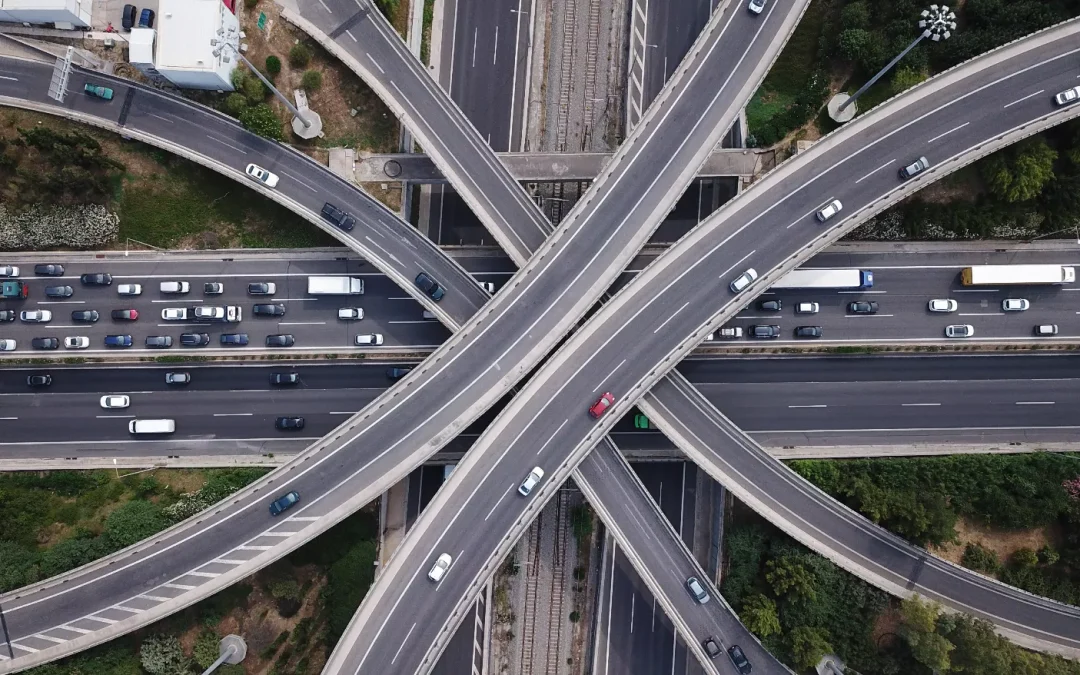
Transport scale models have emerged as indispensable tools for planners, engineers, and local authorities developing the UK’s next generation of smart transport infrastructure. These precision-engineered physical representations enable stakeholders to visualise complex systems, evaluate design alternatives, and communicate ambitious transport visions with unprecedented clarity and effectiveness.
What Are Transport Scale Models?
Transport scale models are accurately proportioned physical representations of transport infrastructure, systems, and urban environments created to support planning, design validation, and stakeholder engagement. These models encompass everything from individual station complexes to comprehensive multi-modal transport networks integrating rail, road, cycling, and pedestrian infrastructure.
The National Model Design Code provides guidance on design quality and communication standards that transport scale models help demonstrate and validate. Professional model makers create these representations at scales ranging from 1:1000 for regional transport planning to 1:50 for detailed facility design, ensuring appropriate detail levels for specific project requirements.
Model Products Ltd has supported UK transport infrastructure development for over 60 years, creating models for railway stations, transport interchanges, road networks, and integrated smart city developments. This experience encompasses traditional infrastructure alongside emerging smart transport technologies including electric vehicle charging networks, autonomous vehicle systems, and intelligent traffic management installations.
How Do Transport Scale Models Support Smart Transport Planning?
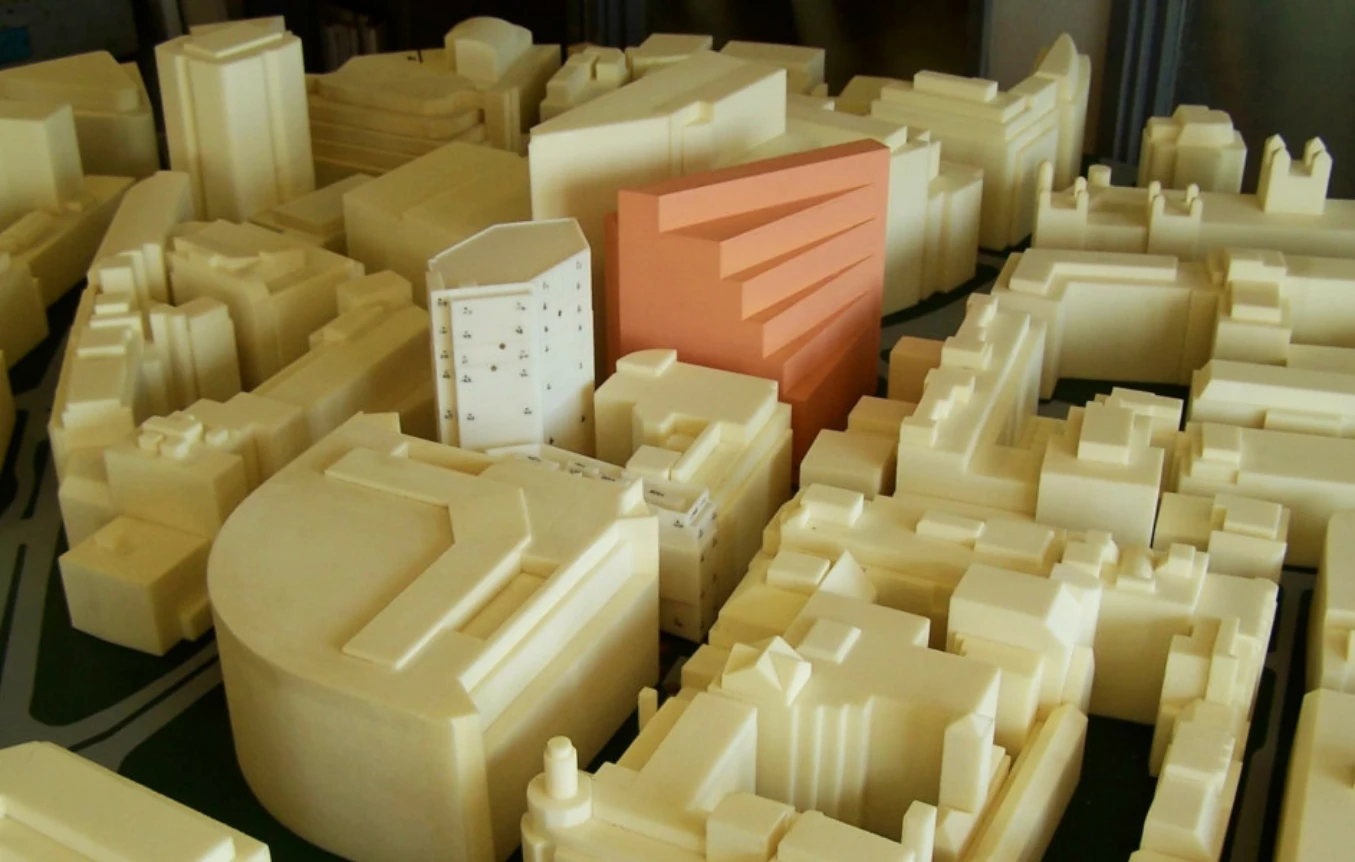
Transport scale models provide unique capabilities that digital visualisation alone cannot deliver, particularly when communicating complex smart transport systems to diverse stakeholder groups. Physical models offer tangible, intuitive understanding of spatial relationships, system integration, and operational workflows essential for effective transport planning.
STAKEHOLDER ENGAGEMENT EXCELLENCE
Stakeholder engagement excellence represents a primary benefit of transport scale models. Public consultation processes benefit enormously from physical models that enable communities to understand proposed transport changes without technical expertise barriers. Local authorities use these models at planning exhibitions, council meetings, and public engagement events where digital presentations might exclude less digitally literate stakeholders.
DESIGN VALIDATION & OPTIMISATION
Design validation and optimisation through physical modelling identifies spatial conflicts, access constraints, and operational challenges that might not be apparent in two-dimensional plans or digital models. Transport planners can evaluate passenger flow patterns, vehicle movements, and emergency access routes using scale models that reveal practical realities of proposed designs.
MULTI AGENCY COORDINATION
Multi-agency coordination becomes more effective with physical transport scale models providing common reference points for discussions between transport operators, local authorities, emergency services, and utilities providers. These models facilitate productive conversations about infrastructure integration, particularly important for smart transport projects requiring coordination between multiple technology systems.
INVESTMENT DECISION SUPPORT
Investment decision support relies on clear communication of project benefits and impacts. Transport scale models help secure funding by demonstrating project scope, design quality, and integration with existing infrastructure to funding bodies, government departments, and private investors.
The Role of Transport Scale Models in Infrastructure and City Development
Infrastructure models serve critical functions throughout transport project lifecycles, from initial concept development through construction planning and public communication. The integration of smart transport technologies into UK cities demands particularly careful planning that physical models support effectively.
SMART CITY INTEGRATION
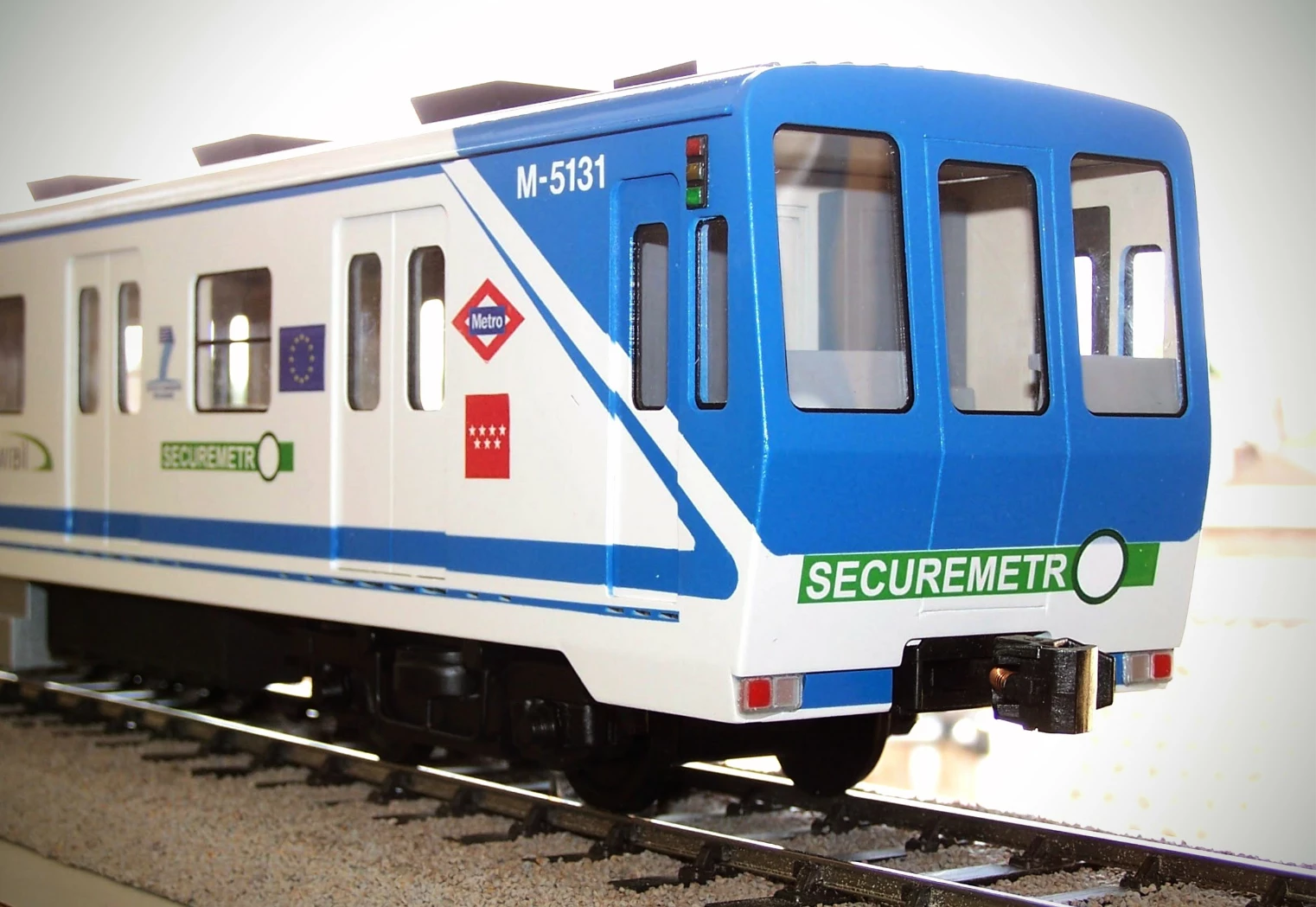
Smart city integration requires visualising how transport infrastructure connects with digital systems, energy networks, and urban development. Transport scale models demonstrate these complex relationships, showing how charging infrastructure, sensor networks, and data connectivity integrate with physical transport facilities.
SUSTAINABLE TRANSPORT PLANNING
Sustainable transport planning increasingly drives UK infrastructure development. Scale models illustrate cycling infrastructure, pedestrian priority zones, green corridors, and public transport accessibility that support sustainable mobility objectives. The National Model Design Code emphasises design quality standards that transport scale models help planners achieve.
REGIONAL TRANSPORT COORDINATION
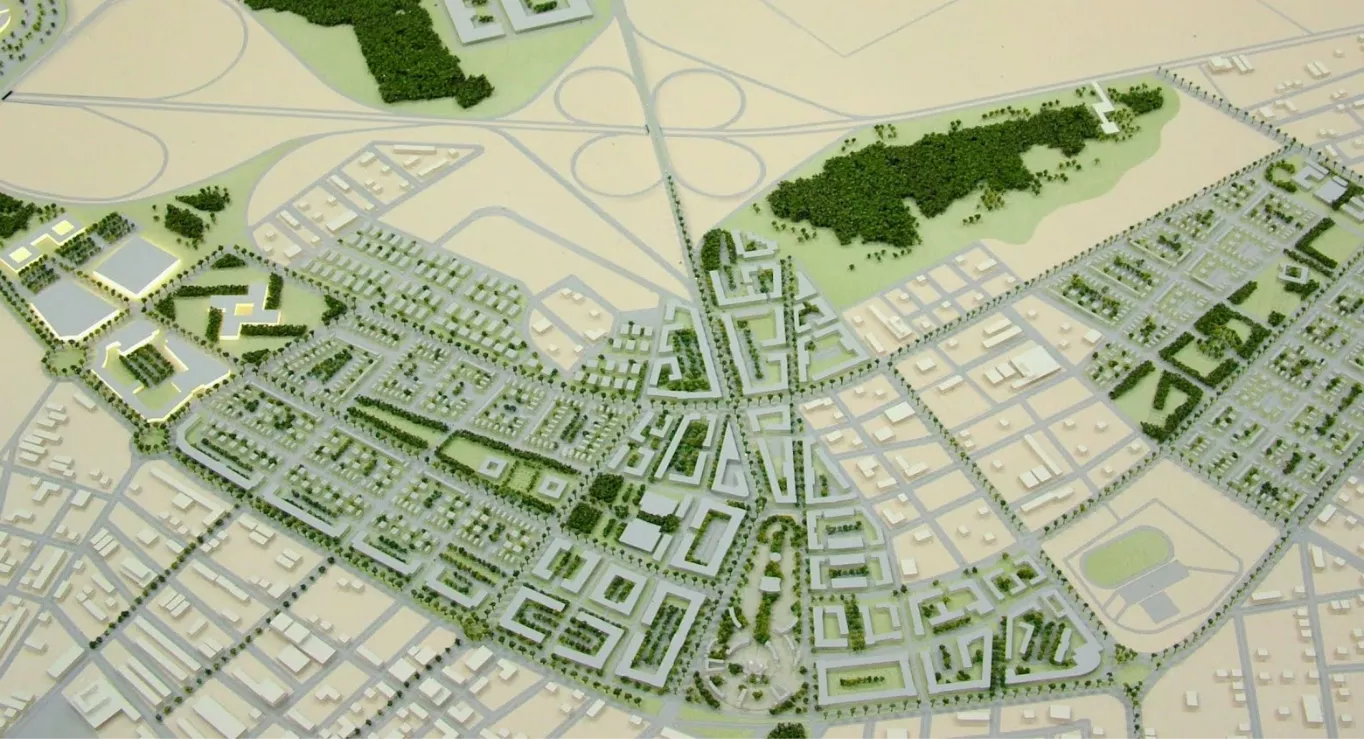
Regional transport coordination benefits from large-scale models showing connections between urban centres, rural communities, and transport hubs. These strategic planning tools help local authorities and transport bodies visualise network effects and identify investment priorities across regions.
HERITAGE & INNOVATION
Heritage and innovation balance represents a particular challenge in UK transport development where historic environments must accommodate modern infrastructure. Transport scale models enable sensitive design evaluation, showing how contemporary transport facilities integrate with protected buildings and conservation areas.
CONTRUCTION PLANNING APPLICATIONS
Construction planning applications extend transport scale models’ utility beyond design phases. Contractors use these models for site logistics planning, phasing strategies, and coordination between construction activities and operational transport services.

Benefits of Using Physical Models in Smart Transport Projects
Physical transport scale models deliver distinct advantages compared to digital-only visualisation approaches, particularly for complex smart transport projects involving multiple stakeholders, technologies, and spatial considerations.
UNIVERSAL ACCESSIBILITY
Universal accessibility ensures all stakeholders can engage with transport proposals regardless of technical expertise or digital literacy. Physical models eliminate barriers associated with software requirements, screen sizes, or visualisation capabilities that can limit digital presentation effectiveness.
TACTILE INTERACTION
Tactile interaction enables stakeholders to examine transport infrastructure from multiple perspectives, understand vertical relationships, and appreciate spatial complexities impossible to fully convey through screens. This hands-on engagement creates deeper understanding and more informed decision-making.
MEMORABLE IMPACT
Memorable impact distinguishes physical models from countless digital presentations stakeholders encounter. Transport scale models create lasting impressions during critical approval processes, funding applications, and public consultations where memorable communication drives success.
TECHNICAL PRECISION
Technical precision maintained throughout model construction ensures dimensional accuracy essential for professional transport planning. The UK’s National Measurement System provides standards ensuring measurement consistency and professional quality.
QUALITY STANDARDS COMPLIANCE
Quality standards compliance follows British Standards BS 8000 guidance on workmanship and construction quality, ensuring transport scale models meet professional standards expected in UK infrastructure projects.
LONG TERM VALUE
Long-term value from transport scale models extends beyond initial planning phases. These models support ongoing public engagement, operational training, and future expansion planning, providing return on investment throughout project lifecycles.
INTEGRATION WITH DIGITAL TOOLS
Integration with digital tools enables hybrid approaches combining physical models with augmented reality overlays, projection mapping, and interactive digital content. This integration delivers comprehensive communication tools leveraging both physical and digital strengths.

How Model Products Supports the UK’s Smart Transport Vision
Model Products Ltd combines traditional British craftsmanship with advanced manufacturing technologies to deliver transport scale models that support the UK’s ambitious smart infrastructure development programmes. Over six decades of experience serves transport planners, local authorities, and infrastructure developers nationwide.
TECHNICAL CAPABILITIES
Technical capabilities encompass the complete spectrum of transport model requirements. Advanced CNC machining delivers precision components for complex transport facilities, whilst 3D printing enables rapid prototyping of innovative smart transport elements. Laser cutting systems produce accurate building facades and infrastructure details, whilst traditional hand-crafting ensures exceptional finishing quality.
SCALE EXPERTISE
Scale expertise enables appropriate model selection for different transport applications. Regional transport network models at 1:2000 to 1:5000 scales provide strategic planning tools, whilst detailed station and interchange models at 1:100 to 1:200 scales support operational design development. This flexibility ensures optimal communication effectiveness for specific project requirements.
MATERIAL SELECTION
Material selection balances durability, appearance, and budget considerations. Professional-grade plastics, architectural woods, metals, and composite materials replicate real-world infrastructure whilst withstanding handling during extended consultation periods. Material choices align with British Standards BS 8000 workmanship requirements.
PROJECT MANAGEMENT
Project management ensures transport scale models deliver within budget and schedule constraints critical to infrastructure projects. Regular progress updates, quality control protocols, and delivery coordination support seamless integration with broader project timelines.
COLLABORATIVE APPROACH
Collaborative approach distinguishes Model Products’ service delivery. The team works closely with transport planners, architects, and engineers from initial concept through final delivery, providing expert guidance on scale selection, detail levels, and presentation approaches that maximise stakeholder engagement effectiveness.
QUALITY ASSURANCE
Quality assurance implements ISO 9001:2015 compliant processes ensuring consistent excellence throughout production. Dimensional verification, material traceability, and comprehensive documentation support professional standards expected in UK transport infrastructure development.
AFTERCARE SUPPORT
Aftercare support includes maintenance guidance, repair services, and modification capabilities enabling transport scale models to evolve alongside project development. This long-term partnership approach ensures continued model effectiveness throughout extended planning and construction periods.

Frequently Asked Questions
What are transport scale models used for?
Transport scale models support planning, design validation, stakeholder engagement, public consultation, funding applications, and construction coordination. They provide tangible representations of transport infrastructure enabling universal stakeholder understanding regardless of technical expertise.
How do scale models help smart city and transport projects?
Scale models visualise complex integration between physical infrastructure and smart technologies, demonstrate sustainable transport solutions, facilitate multi-agency coordination, and support effective public communication about ambitious transport transformation programmes.
Why are physical models important in infrastructure design?
Physical models provide tactile interaction, universal accessibility, memorable impact, and intuitive spatial understanding that digital visualisation alone cannot deliver. They eliminate technical barriers whilst creating lasting impressions during critical decision-making processes.
How can transport planners use scale models to improve decision-making?
Transport scale models enable design validation revealing spatial conflicts, support stakeholder consensus building through shared physical references, facilitate productive multi-agency discussions, and provide clear communication tools for securing investment and public support.
What scales are used for transport infrastructure models?
Scales range from 1:5000 for regional transport networks to 1:50 for detailed facility design. Common scales include 1:1000 for urban transport planning, 1:500 for district-level developments, and 1:200 for station and interchange complexes.
References & Citations Used:
#transportmodels #transportscalemodels #infrastructuremodels #smarttransportUK #smartcitymodels #precisionmodelmaking #modelproductsUK #UKengineering #UKmanufacturing #scaleengineering #modelmakingUK #craftedintheUK #bespokemodels #infrastructureUK #transportplanning #citydesignUK #smartcities #sustainabletransport #urbanplanning #transportinfrastructure
Author bio for Model Products UK
Model Products Ltd is a UK-based specialist model making company, trusted by leading organisations to turn complex ideas into precise, tangible models that inform, persuade, and inspire. With over 60 years of combined experience in engineering, product design, and model making, the team blends traditional craftsmanship with advanced 3D printing, CNC machining, and modern fabrication techniques to deliver highly detailed, accurate, and durable models. From defence and aerospace to architecture, transport and infrastructure, R&D, agriculture, and commercial sales and marketing, Model Products creates bespoke scale models, working mechanical models, and exhibition display pieces tailored to each client’s objectives. Known for clear communication, rigorous attention to detail, and on-time delivery, the company supports projects at every stage – from early concept visualisation through to stakeholder presentations, training, and live event demonstrations.
By combining precision engineering with creative problem-solving, Model Products Ltd helps organisations de-risk decisions, showcase innovation, and bring complex stories to life in a way that digital visuals alone cannot achieve.