


TL;DR:
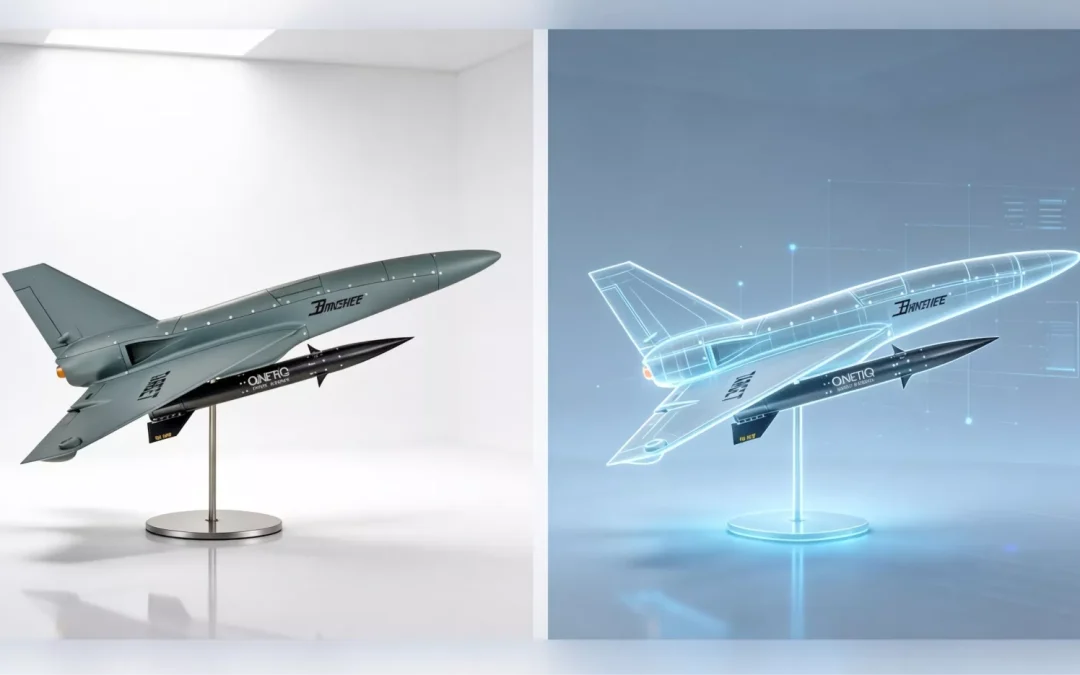
While digital twins provide high-tech, data-driven simulations, physical architectural models remain the superior tool for securing stakeholder buy-in. Their tactile nature breaks through “screen fatigue,” offering a sensory experience that grounds a project in reality. This guide compares both formats, explaining why bespoke physical models are often the “secret weapon” for UK architects and developers in planning and high-stakes presentations.
Key Takeaways
- Tactile Engagement: Physical models facilitate a collaborative “campfire” effect that digital screens cannot replicate.
- Spatial Clarity: 3D physical models eliminate the “imagination gap,” helping non-technical stakeholders understand scale and context instantly.
- Data vs. Emotion: Digital twins excel at operational data; physical models excel at storytelling and emotional connection.
- Planning Success: Physical models are frequently cited as the most effective tool for public consultations and planning committee approvals.
Definition: Digital Twin
A Digital Twin is a highly complex virtual representation of a physical asset, process, or system. In architecture, it often integrates with Building Information Modelling (BIM) and real-time IoT (Internet of Things) data to simulate how a building performs over time, from energy usage to footfall patterns.
What is the Presentation Dilemma: Pixels or Plastic?
In the modern UK property market, the pressure to impress stakeholders: be they local councillors, private investors, or the general public: has never been higher. As an architect or developer, you are often faced with a choice: do you lean into the cutting-edge allure of a digital twin, or do you invest in the timeless, premium feel of a bespoke architectural scale model?
While digital twins have seen a surge in popularity due to the rise of Smart Cities and the UK’s National Digital Twin programme, there is a growing trend of “digital fatigue.” In a world of Zoom calls and VR headsets, a physical object in a boardroom acts as a sensory disruptor. It demands attention.
What is a Digital Twin, and Where Does it Excel?
Digital twins are far more than just 3D renders. They are “live” models. According to industry standards often discussed by RIBA, digital twins allow for the testing of “what-if” scenarios.
The Strengths of Digital Twins:
- Iterative Design: You can change a material or a floor plan with a few clicks.
- Lifecycle Management: They remain useful long after the building is finished, helping facility managers monitor energy or structural health.
- Remote Accessibility: Stakeholders can log in from anywhere in the world to view the project.
However, for a presentation, digital twins have a weakness: they live behind a glass screen. They are observed, rather than experienced.
Definition: Physical Architectural Model
A Physical Architectural Model (or scale model) is a three-dimensional, tangible representation of a design. Crafted through a mix of traditional hand-finishing and modern technology like CNC machining and 3D printing, these models provide a literal “bird’s eye view” of a project, allowing for an immediate understanding of volume, texture, and light.
Why Use Physical Models for Planning and Stakeholder Buy-in?
When you walk into a room with a physical model, the energy changes. People stand up. They move around the table. They point, lean in, and: crucially: they understand. At Model Products Ltd, we’ve seen first-hand how a well-crafted model can turn a sceptical planning meeting into a collaborative workshop.
1. The Power of Sensory Disruption
We live in a digital-first era. Because of this, our brains are conditioned to skim past digital images. A physical model is a “pattern interrupt.” The tactile nature of the materials: the way light hits a miniature glass facade or the texture of the landscaping: triggers a different part of the brain. It makes the project feel “real” and inevitable, rather than just a concept.
2. Eliminating the “Imagination Gap”
Not every stakeholder can read a blueprint or interpret a 3D fly-through. Depth perception on a flat screen is notoriously difficult for the untrained eye. A bespoke scale model provides a 1:1 spatial relationship. When a local resident or a councillor looks at a model, they can instantly see how the height of a new extension relates to the existing streetscape.
3. The “Campfire Effect”
Digital presentations are usually linear: one person controls the mouse, and everyone else watches. A physical model creates a “campfire effect.” Stakeholders gather around it. It facilitates a multi-way conversation where people can point to specific areas and discuss them simultaneously. This collaborative atmosphere is vital for high-stakes sales and marketing presentations.

Digital vs. Physical: Which One Should You Choose?
Is a Hybrid Approach the Best of Both Worlds?
It isn’t always an “either/or” situation. The most successful developers in the UK often use a hybrid approach.
For example, a physical model can be used as the centrepiece of an exhibition or planning suite, while a QR code next to it links to a digital twin for deeper data dives. This combines the “wow factor” of working models with the technical depth of digital systems.
At Model Products Ltd, we often incorporate digital elements into our physical builds, such as integrated lighting systems that can be controlled via a tablet to highlight specific zones or transport links. This is particularly effective for events and exhibitions.
What Defines Technical Excellence in Model Making?
Creating a model that stands up to the scrutiny of a prestigious architectural firm requires more than just a 3D printer. It requires a blend of mechanical model making expertise and an eye for artistic detail.
Using materials ranging from high-grade acrylics to precision-machined metals, we ensure that every model is a “turnkey” solution for our clients. Whether it’s a metro train model for an infrastructure bid or a residential streetscape, the goal is always the same: unparalleled precision.

FAQ
Q: Are physical models still relevant in 2026?
More than ever. As digital tools become common, physical models have become a "premium" differentiator that signals quality and commitment to a project.
How long does it take to build a bespoke architectural model?
This depends on the scale and complexity, but typically ranges from 4 to 8 weeks. We use rapid prototyping techniques to ensure timely delivery without sacrificing the meticulous finish our clients expect.
Can physical models be updated?
While not as instant as digital updates, models can be designed with modular components that can be swapped out if design iterations occur.
Which is more expensive?
A high-end digital twin with real-time data integration can actually be more expensive to maintain over time than a one-off investment in a prestigious physical model.
Final Thoughts: Making Your Mark
When it comes to the “big reveal,” your choice of medium speaks volumes about your project. A digital twin says you are technologically advanced and data-driven. A physical model says your project is tangible, prestigious, and ready to be built.
For stakeholder presentations where the goal is to inspire confidence and secure approval, the physical model remains the gold standard. It’s not just about showing what a building looks like; it’s about making stakeholders feel what it will be like to stand in its shadow.
Want to bring your next project to life?
Whether you’re heading to a planning committee or a global trade show, a bespoke scale model can be your greatest asset. Contact Model Products Ltd today to discuss how we can help you win your next stakeholder presentation.
References
#ArchitecturalModels #DigitalTwins #PropertyDevelopment #UKManufacturing #ModelProductsLtd