


The Enduring Relevance of Aerospace Scale Models
Despite the remarkable advances in digital simulation and computational technologies, aerospace engineers in the UK and worldwide continue to rely heavily on physical aerospace scale models. These models remain indispensable for developing, testing, and validating designs in aerospace engineering projects due to their unrivalled precision and ability to provide tangible data in real-world testing environments. The combination of heritage craftsmanship and advanced manufacturing techniques ensures physical models accurately represent complex aerospace components and systems. This blog explores why aerospace scale models retain their critical role and highlights Model Products Ltd’s expertise in delivering precision models tailored to UK aerospace requirements.
What Are Aerospace Scale Models?
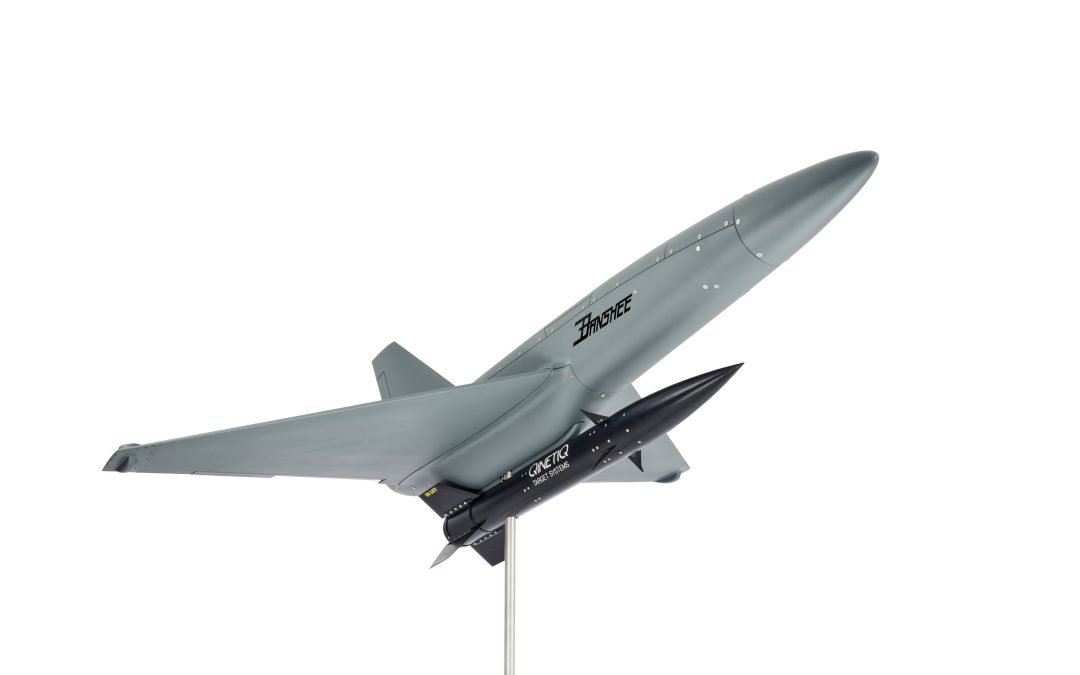
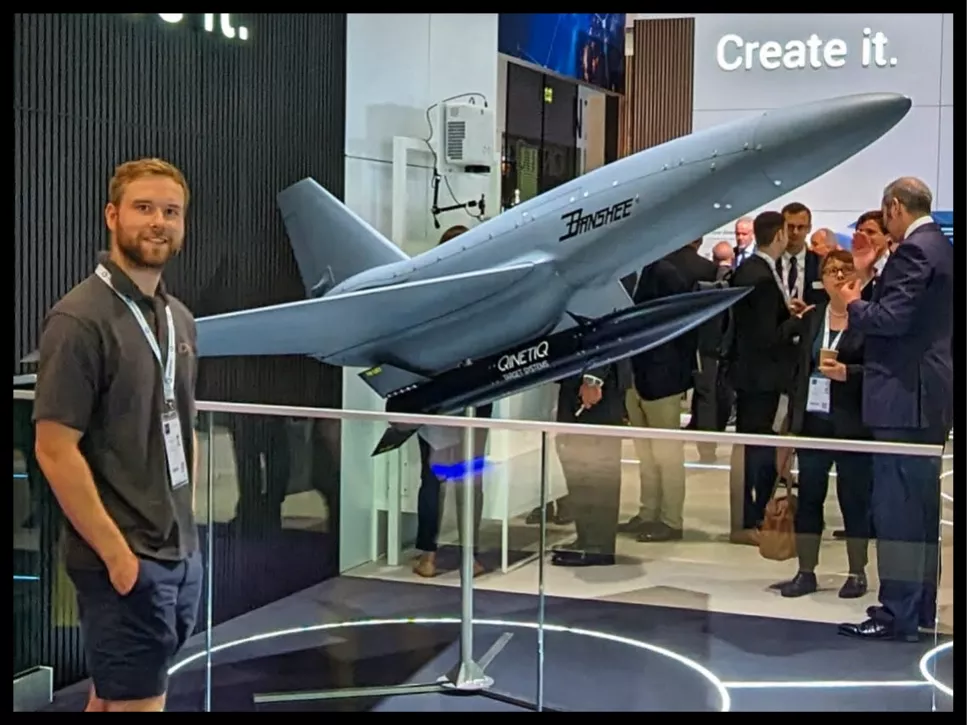
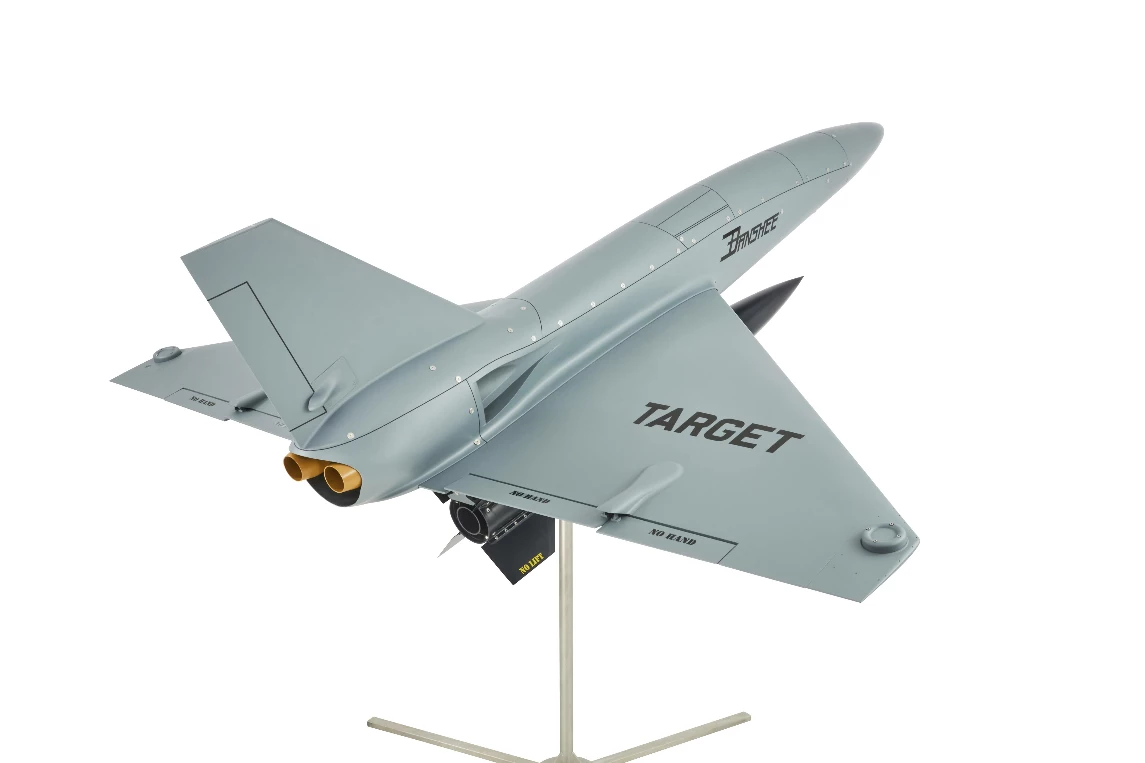
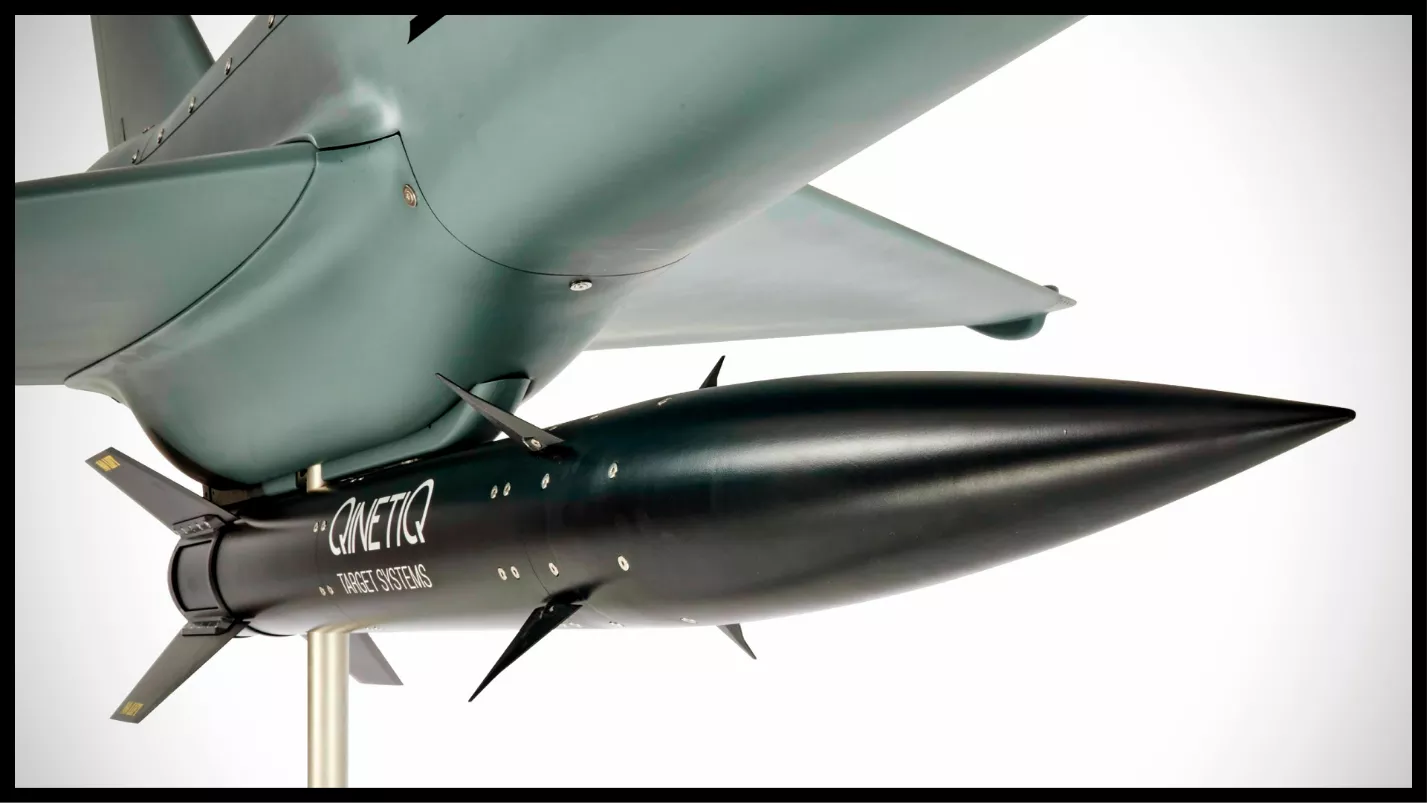
Aerospace scale models are highly detailed, scaled-down replicas of aircraft, spacecraft, or aerospace components used primarily in engineering, research, testing, and marketing applications. These models range from small prototypes to large, functional replicas designed to simulate flight dynamics and aerodynamic properties at reduced scale.
- Aerospace engineers use these models to study aerodynamics, stability, and material performance under controlled conditions.
- The models serve in physical wind tunnel testing, enabling direct observation of airflow patterns and forces.
- UK aerospace scale models also support prototype validation, pilot training, defence contractors’ project development, and research institutions’ analysis.
- Compliance with British Standards BS 8000 and the UK National Measurement System ensures precision and repeatability in model manufacturing.
How Do Physical Models Support Aerospace Innovation?
Physical aerospace scale models are vital to innovation, providing engineers real-world insights that digital simulations alone cannot fully replicate. Some key contributions include:
- Risk reduction: Testing scaled physical models reveals design flaws and optimises performance before costly full-scale production.
- Material and structural analysis: Enables prototype testing of new materials and structural modifications.
- Interdisciplinary applications: Physical models facilitate collaborative development across engineering, defence, and research sectors.
- Proven heritage: Trusted by defence and aerospace sectors in the UK for over 60 years, combining traditional craftsmanship with innovative technologies such as CNC machining and 3D printing.
Why Are Scale Models Still Used in Wind Tunnel Testing?
Wind tunnel testing with aerospace scale models remains irreplaceable due to its ability to produce reliable aerodynamic data under controlled experimental conditions.
- Models accurately replicate real aircraft surfaces, allowing airflow visualisation and force measurement vital to lift, drag, and stability assessment.
- Physical parameters such as pressure distribution and turbulence are measured with higher fidelity than current digital simulations can achieve.
- Aerospace scale models for UK wind tunnel testing include instrumentation such as pressure taps, strain gauges, and movable control surfaces.
- Wind tunnel testing models aid certification, aerodynamic optimisation, and regulatory compliance processes central to aerospace engineering projects.

The Advantages of Physical Models vs Digital Simulations
While digital simulations offer cost-effective preliminary analysis, physical aerospace scale models provide complementary advantages essential for robust validation.
Aspect | Physical Aerospace Scale Models | Digital Simulations |
Accuracy | High-fidelity representation of surfaces and airflow | Approximate results depending on model quality |
Physical Interaction | Real-world aerodynamic forces and material responses | Computational approximations |
Data Collection | Direct measurement of forces, pressures, and vibration | Derived from simulated models |
Validation & Certification | Widely accepted in regulatory frameworks | Requires experimental corroboration |
Cost & Time Efficiency | Higher upfront costs/investment but saves late-stage error | Lower initial cost, but may not replace testing |


Why Choose Model Products for Aerospace Projects?
Model Products Ltd is a trusted partner for aerospace scale models in the UK, specialising in precision aerospace model making that blends heritage craftsmanship with advanced manufacturing techniques.
- Over 60 years’ experience serving defence, aerospace, and research institutions.
- Expertise in bespoke design, CNC machining, 3D printing, vacuum casting, and composite fabrication.
- Compliance with relevant UK standards, such as BS 8000 and National Measurement System guidelines.
- Flexibility to handle briefs of any complexity, budget-sensitive projects, and strict deadlines.
- Support across multiple sectors including aerospace, defence, research, and marketing.
- Collaborative client approach that ensures models meet precise functional and aesthetic requirements.
FAQ
What are aerospace scale models used for?
Aerospace scale models are used for aerodynamic testing, prototype validation, research, training, and marketing within aerospace engineering and defence sectors.
Why are physical models still used in wind tunnel testing?
Physical models provide the most accurate real-world data on airflow, lift, drag, and stability, which digital simulations cannot fully replicate.
What advantages do physical models have over digital simulations?
Physical models offer high fidelity, direct measurement, and are required for certification and validation alongside digital simulations.
Why is Model Products a trusted partner for aerospace projects?
Model Products Ltd combines 60+ years of experience, advanced manufacturing technologies, and a collaborative approach to deliver bespoke aerospace scale models compliant with UK standards.
Sources & References
#aerospacescalemodels #physicalmodels #windtunneltesting #replicamodels #precisionmodelmaking #UKaerospace #modelproductsUK #UKengineering #aerospacetechnology #scaleengineering #bespokemodels #modelmakingUK #UKdefenceindustry #advancedmanufacturingUK #craftedintheUK #engineeringdesignUK
Author bio for Model Products UK
Model Products Ltd is a UK-based specialist model making company, trusted by leading organisations to turn complex ideas into precise, tangible models that inform, persuade, and inspire. With over 60 years of combined experience in engineering, product design, and model making, the team blends traditional craftsmanship with advanced 3D printing, CNC machining, and modern fabrication techniques to deliver highly detailed, accurate, and durable models. From defence and aerospace to architecture, transport and infrastructure, R&D, agriculture, and commercial sales and marketing, Model Products creates bespoke scale models, working mechanical models, and exhibition display pieces tailored to each client’s objectives. Known for clear communication, rigorous attention to detail, and on-time delivery, the company supports projects at every stage – from early concept visualisation through to stakeholder presentations, training, and live event demonstrations.
By combining precision engineering with creative problem-solving, Model Products Ltd helps organisations de-risk decisions, showcase innovation, and bring complex stories to life in a way that digital visuals alone cannot achieve.