



In an age where immersive experiences command attention, augmented reality (AR) offers a transformative bridge between the artistry of scale models, replica models, bespoke models, and the interactive potential of digital innovation. Model Products Ltd specialises in creating both custom models and replica masterpieces. Yet, static models, no matter how detailed, can only hint at operational mechanisms. By integrating augmented reality, these physical replicas can come alive—revealing hidden workings, enabling virtual disassembly, and inviting interactive engagement.
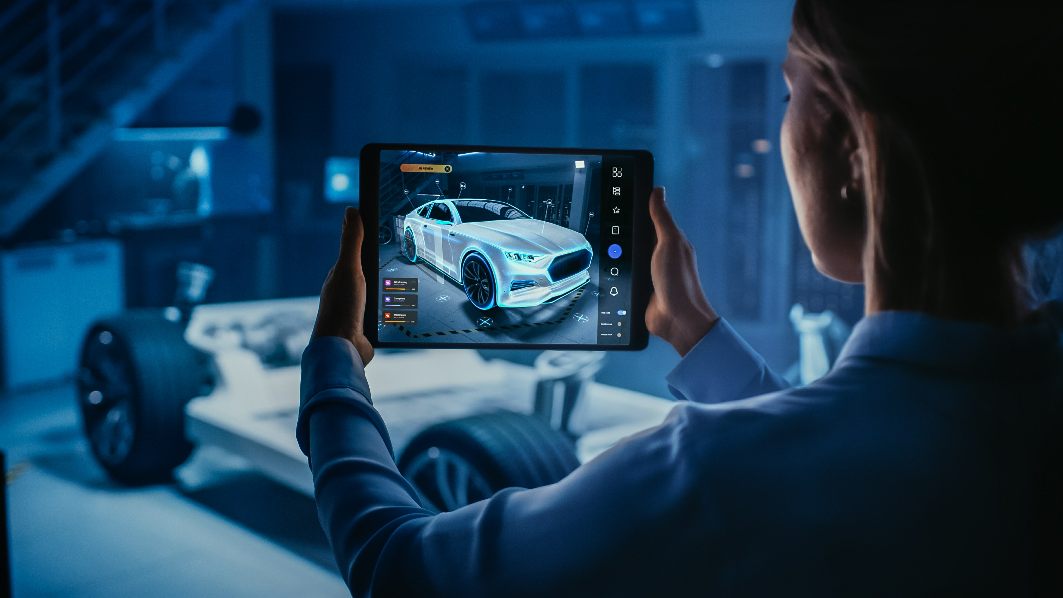
When fused with virtual reality and AI, interactive models elevate the experience. A tablet or smartphone acts as a portal—point it at a model and it unfolds animations, labels, voice commentary and responsive transformations. This article explores how AR breathes life into bespoke models and why this union delivers unmatched advantages for businesses presenting to investors, buyers, and stakeholders.
What Is Augmented Reality vs Virtual Reality?
Augmented reality refers to overlaying digital content—animations, diagrams, audio—onto the real world via a camera-equipped device, preserving the physical context while enriching it.
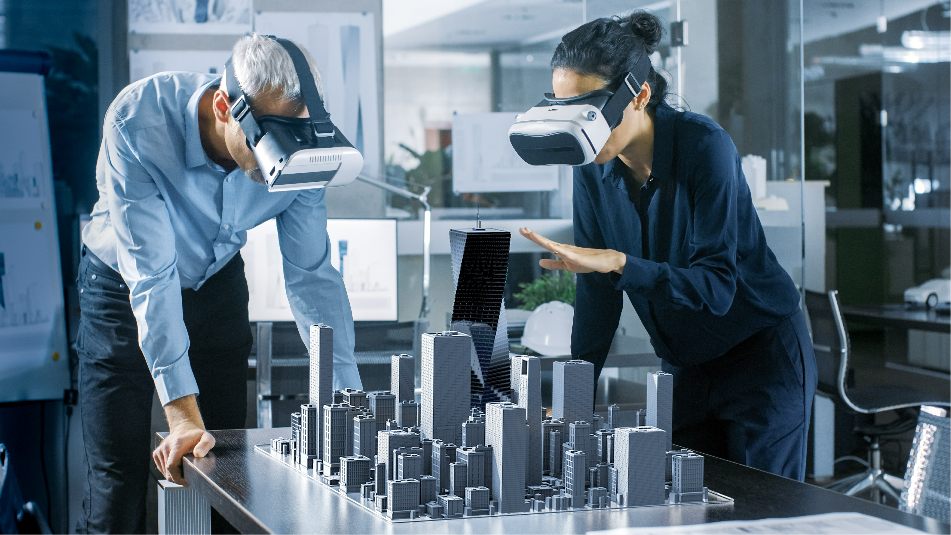
Virtual reality, by contrast, immerses users in a fully digital world, detaching them from their surroundings. In model presentations, AR enhances reality, whereas VR transports the viewer entirely into another realm.
AI plays a critical role by powering dynamic overlays—automatically labelling parts, providing adaptive narration, or supplying chatbot-driven Q&A. This synergy transforms a beautifully crafted scale model into an interactive model that communicates in real time.
Why Integrate Scale Models with Augmented Reality?
Immersive Engagement
No longer limited to observation, users can activate moving parts, exploded views, transparent layers, and functional demonstrations via AR—turning admiration into exploration.
Educational and Demonstrative Depth
AR enables labels, internal structure visualisations and voice explanations to appear contextually, empowering deeper understanding. High fidelity 3D overlays transform bespoke models into living lessons.
AI-Driven Personalisation
AI can adapt narratives dynamically. For instance, terminology can shift depending on audience (technical vs layperson) or focus areas may change in response to user behaviour.
Analytical Insights
Interactive models can log user interactions—revealing which parts attract attention, which features are skipped. These insights guide product refinement or inform sales strategies.
Business Advantages of AR-Enabled Replica Models
Integrating augmented reality with scale models, replica models, and bespoke models is not just a technological upgrade; it is a powerful strategic tool for businesses. By turning static custom models into interactive models, organisations can communicate ideas with unmatched clarity, boost audience engagement, and build stronger connections with stakeholders.
Elevating Product Showcases and Demonstrations
Traditional scale or replica models are visually impressive, but they are inherently limited to static displays. By adding augmented reality, businesses can:
- Animate internal mechanisms, allowing viewers to see how components move, rotate, or interact in real time.
- Reveal hidden internal structures or complex processes through transparent overlays or exploded views.
- Highlight materials, performance data, and technical specifications directly on the model, creating a dynamic storytelling experience.
This makes AR-enhanced interactive models invaluable for sectors such as engineering, manufacturing, architecture, and transport, where conveying how something works is critical.
Enhancing Sales Experiences and Driving Buyer Engagement
At trade shows, exhibitions, or showroom presentations, AR-powered scale models act as a magnet for attention. Audiences are naturally drawn to interactive experiences, and augmented reality enables potential buyers to:
- Explore different configurations, colours, or component options virtually, reducing the need for multiple physical prototypes.
- Gain a deeper understanding of product benefits, which builds confidence and accelerates purchasing decisions.
- Share the AR experience on their own devices, extending brand exposure beyond the physical event.
For premium bespoke models, this interactive layer adds perceived value and reinforces a company’s image as an innovative, forward-thinking brand.
Improving Stakeholder Communication and Investor Confidence
When presenting to investors, board members, or potential partners, clarity is crucial. Interactive models enhanced with augmented reality transform presentations by:
- Making complex technical details instantly understandable through live visualisation.
- Allowing presenters to control what the audience sees—zooming in, rotating views, or highlighting key features with a simple tap.
- Providing real-time data overlays (e.g., efficiency ratings, environmental impact) that demonstrate product performance convincingly.
This level of interactivity fosters trust and makes it easier to secure buy-in from stakeholders.
Revolutionising Training and Onboarding
Training teams using static models or printed manuals can be time-consuming and prone to misinterpretation. With AR, training becomes immersive and interactive:
- Trainees can follow guided, step-by-step instructions projected directly onto the custom model itself.
- Virtual callouts can label parts, show correct assembly sequences, or simulate maintenance procedures, reducing error rates.
- Complex systems can be visualised layer by layer, improving comprehension and retention.
For industries such as automotive, aviation, and healthcare, AR-integrated replica models can significantly reduce training costs and improve operational safety.
Generating Valuable Audience Insights
Modern AR systems can collect anonymous usage data, tracking how viewers interact with the model. Businesses gain insights into:
- Which features attract the most attention.
- How long users engage with specific components.
- What questions are frequently asked via AI-integrated AR assistants.
These insights can inform product development, marketing strategies, and even future model enhancements.
Strengthening Brand Perception and Competitive Advantage
Being seen as a company that blends craftsmanship with cutting-edge technology builds brand credibility. High-quality bespoke models already convey professionalism, but pairing them with augmented reality signals innovation. Businesses adopting Augmented Reality stand out at events, positioning themselves as forward-thinking leaders in their sector.

Real-World Use Cases of AR-Integrated Models
- Tablet-viewed animations: A viewer points a tablet at a bespoke model and sees valves open, gears engage, or fluids flow—overlaid in sync.
- Exploded mechanical views: Want to inspect component placement? AR separates parts, labels them, and pans the camera through internal geometry.
- Change & customisation demos: Touch UI icons to swap parts, colours, finishes—ideal for custom-built solutions.

- Chatbot integration: AI chat overlays appear, ready to answer, “What does this component do?”, “What material is this made from?”, creating a self‑guided experience.
How It Works: From Static Model to Interactive AR
Hardware Setup
Smartphones or tablets using ARKit or ARCore are enough eliminating the need for costly headsets. A printed marker or image recogniser helps the device register the model in space.
Software and AI Integration
- AR SDKs track the model and render overlays.
- AI modules handle dynamic labelling, user dialogue, and natural‑language questions.
Content Creation Workflow
- Start with physical CAD and handcrafted bespoke models.
- Upload 3D data or scan the model.
- Develop animations, exploded views, and triggers.
- Integrate voiceover, text, AI and deploy as WebAR or app-based Augmented Reality.
Companies using this workflow improve go-to-market speed and reduce design discrepancies.
Overcoming Key Challenges
Integrating augmented reality with scale models offers remarkable potential, but there are hurdles to address to ensure a seamless, professional, and engaging experience.
Ensuring Precise Alignment Between Physical and Digital Layers
For AR overlays to appear perfectly aligned with bespoke models, precision is critical. Even a slight misalignment can disrupt the realism and reduce user trust in the technology. This requires:
- Accurate CAD data or 3D scanning to match every contour of the physical model.
- High-quality image markers or spatial mapping to anchor the AR content firmly.
- Rigorous testing under varying lighting conditions to ensure tracking stability.
Balancing Visual Fidelity with Performance
While interactive models benefit from rich animations, transparent layers, and moving parts, high-resolution textures and complex 3D renders can slow performance on standard tablets or smartphones. Businesses must strike a balance by:
- Optimising 3D assets through polygon reduction and texture compression.
- Offering tiered visual options so presentations run smoothly even on less powerful devices.
- Prioritising key animations that drive storytelling, rather than overloading the experience with unnecessary effects.
Content Development Time and Expertise
Creating AR-ready replica models involves additional steps—3D scanning, animation development, and programming interactive triggers. This can lengthen project timelines. Overcoming this requires:
- Collaboration between model makers and digital specialists from the outset.
- Reusing CAD data from product design stages where possible.
- Investing in Augmented Reality authoring tools that simplify deployment, reducing coding requirements.
User Training and Ease of Use
An AR-enhanced custom model is only as effective as the person demonstrating it. Poor user experience can undermine even the most advanced technology. Solutions include:
- Designing intuitive user interfaces with clear on-screen prompts.
- Providing brief training for sales or investor relations teams to confidently navigate AR features.
- Offering a “guided mode” where the Augmented Reality system automatically plays animations in sequence.
Managing Costs and ROI Expectations
Adding augmented reality to physical models introduces additional costs for software, content development, and hardware. However, the return on investment is realised when:
- AR is used repeatedly across multiple presentations, trade shows, or training sessions.
- Interactive content is designed to be easily updated rather than rebuilt for every new product iteration.
Data Security and Intellectual Property
For industries like aerospace, automotive, or defence, displaying technical details in Augmented Reality raises concerns about protecting sensitive data. Strategies to mitigate this include:
- Offering simplified animations that focus on function without revealing proprietary design details.
- Using secure AR platforms that encrypt data transmissions during live demos.
By planning for these challenges early, businesses can ensure their interactive models deliver a flawless experience, impressing audiences while maintaining the high-quality reputation of Model Products Ltd’s craftsmanship.
Future Outlook for Augmented Reality in Models
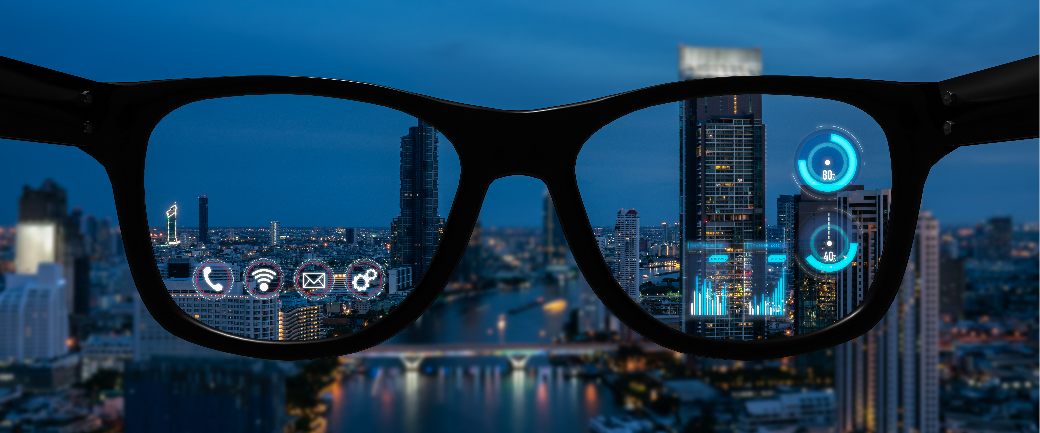
Tech is evolving fast. Mixed reality (holographic overlays visible without devices) is coming. Voice-activated AI and real-time part customisation are being trialled. Eventually, interactive replica models will allow remote collab—multiple users exploring, annotating, and discussing a single physical asset in real time.
Pairing Model Products Ltd’s exceptional physical models with augmented reality is more than a novelty—it’s a powerful tool for engagement, clarity, and impact. Whether impressing investors, guiding buyers or training teams, AR-driven interactive models elevate communication and understanding. This digital-physical fusion redefines model showcasing and positions your client as an innovative leader in the scale and custom model industry.
FAQ
What is augmented reality?
AR overlays digital content in real time onto the real world using smartphones or tablets en.wikipedia.org
How does a static model become interactive?
With CAD data and AR software, animated overlays, labels and interactive elements synchronise with the physical model.
Do I need VR headsets?
No—most AR experiences work with mobile devices. MR headsets are optional for advanced settings.
Which industries benefit most?
Architecture, engineering, automotive, infrastructure, R&D and any field where internal mechanics or custom options matter.
How long does AR content development take?
Depending on complexity, projects range from a few weeks (basic overlays) to a few months (fully interactive custom models).
#augmentedreality #ar #virtualreality #vr #mixedreality #xr #scale models #replica models #bespoke models #custommodels #interactive model #modelmaking #3dmodel #immersive #innovation #technology #ai #digitaltwin #modeltech #modeldisplay
Author bio for Model Products UK
Model Products Ltd is a UK-based specialist model making company, trusted by leading organisations to turn complex ideas into precise, tangible models that inform, persuade, and inspire. With over 60 years of combined experience in engineering, product design, and model making, the team blends traditional craftsmanship with advanced 3D printing, CNC machining, and modern fabrication techniques to deliver highly detailed, accurate, and durable models. From defence and aerospace to architecture, transport and infrastructure, R&D, agriculture, and commercial sales and marketing, Model Products creates bespoke scale models, working mechanical models, and exhibition display pieces tailored to each client’s objectives. Known for clear communication, rigorous attention to detail, and on-time delivery, the company supports projects at every stage – from early concept visualisation through to stakeholder presentations, training, and live event demonstrations.
By combining precision engineering with creative problem-solving, Model Products Ltd helps organisations de-risk decisions, showcase innovation, and bring complex stories to life in a way that digital visuals alone cannot achieve.