


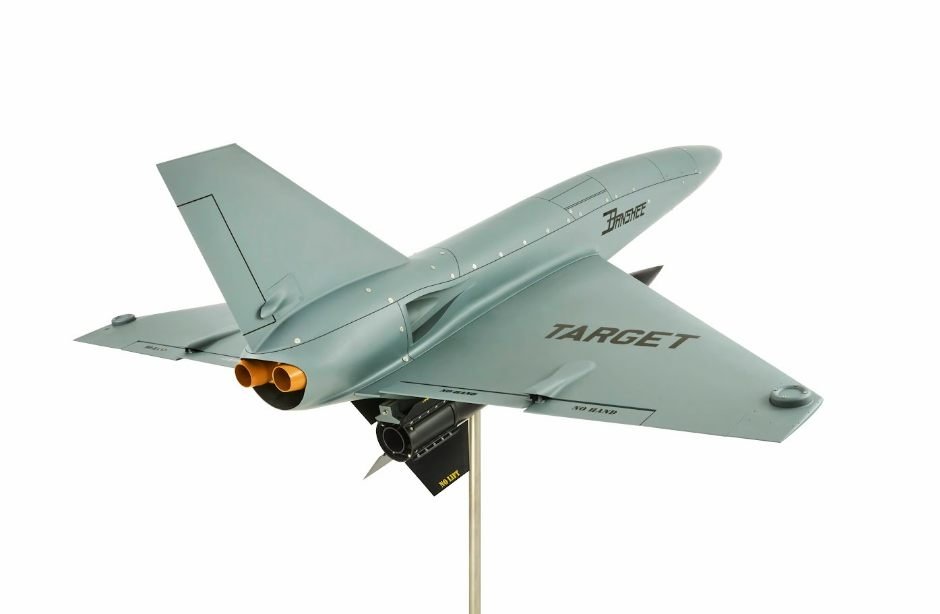
Innovation in aerospace model-making has transformed how defence contractors, aviation organisations, and R&D specialists develop, test, and present complex aerospace systems. Advanced manufacturing techniques, precision engineering capabilities, and cutting-edge materials have elevated aerospace scale models from simple representations to highly accurate, functional tools that support critical decision-making and technical validation across the UK’s aerospace sector.
What Is Aerospace Model-Making?
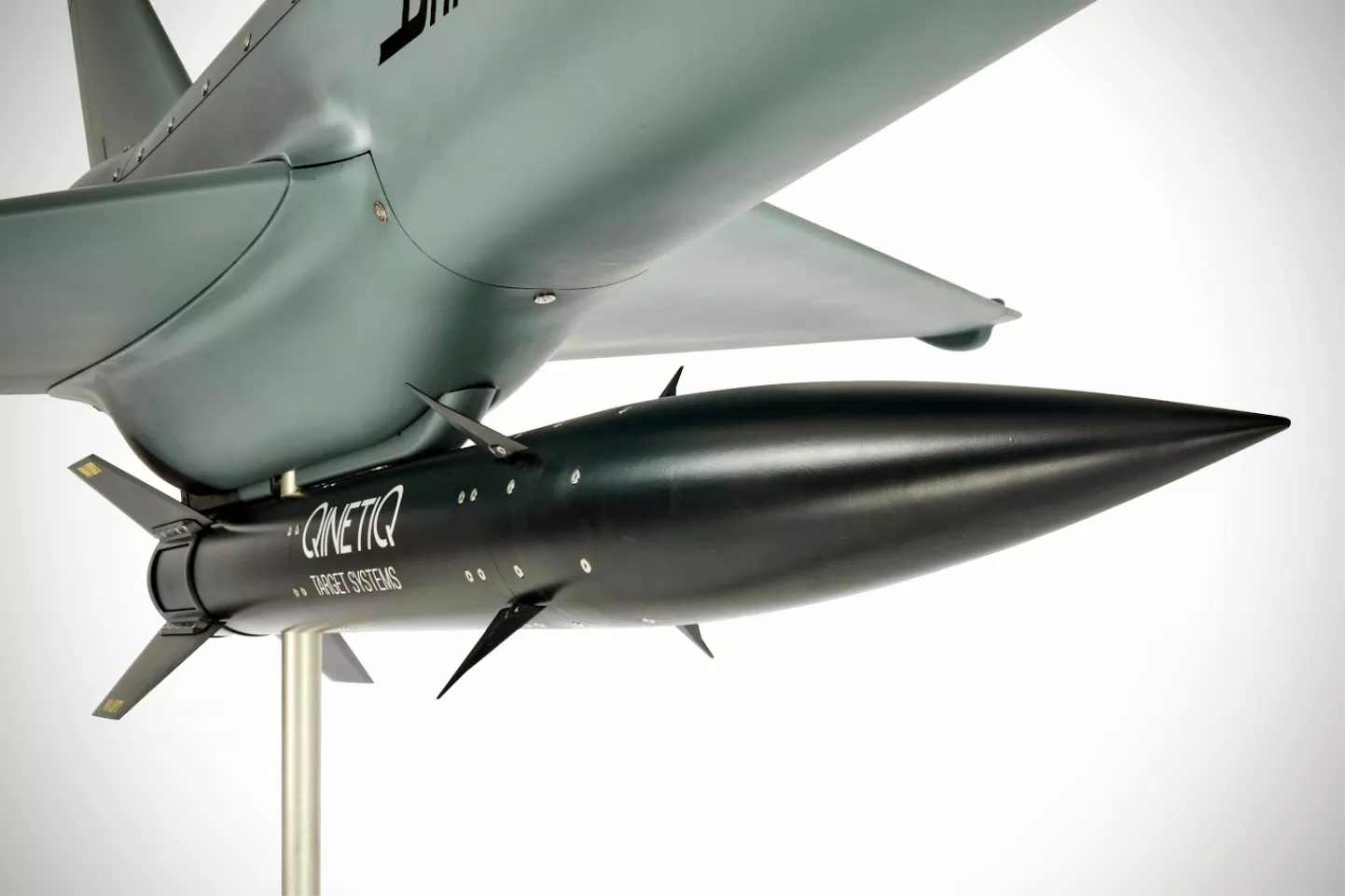
Aerospace model-making encompasses the design, manufacture, and finishing of precision-engineered scale replicas of aircraft, spacecraft, defence systems, and aerospace components. These models serve multiple critical functions including wind tunnel testing, stakeholder presentations, design validation, training applications, and exhibition displays.
The Defence Policy for Modelling and Simulation (JSP 939) recognises the strategic importance of physical modelling alongside digital simulation capabilities in defence and aerospace applications. Professional model makers combine technical expertise with advanced manufacturing technologies to deliver models that meet exacting aerospace industry standards.
Model Products Ltd has served the aerospace sector for over 60 years, creating everything from detailed aircraft replicas to complex system components. This heritage includes producing wind tunnel test models for Concorde development at the Royal Aircraft Establishment, establishing credentials in the most demanding aerospace applications.
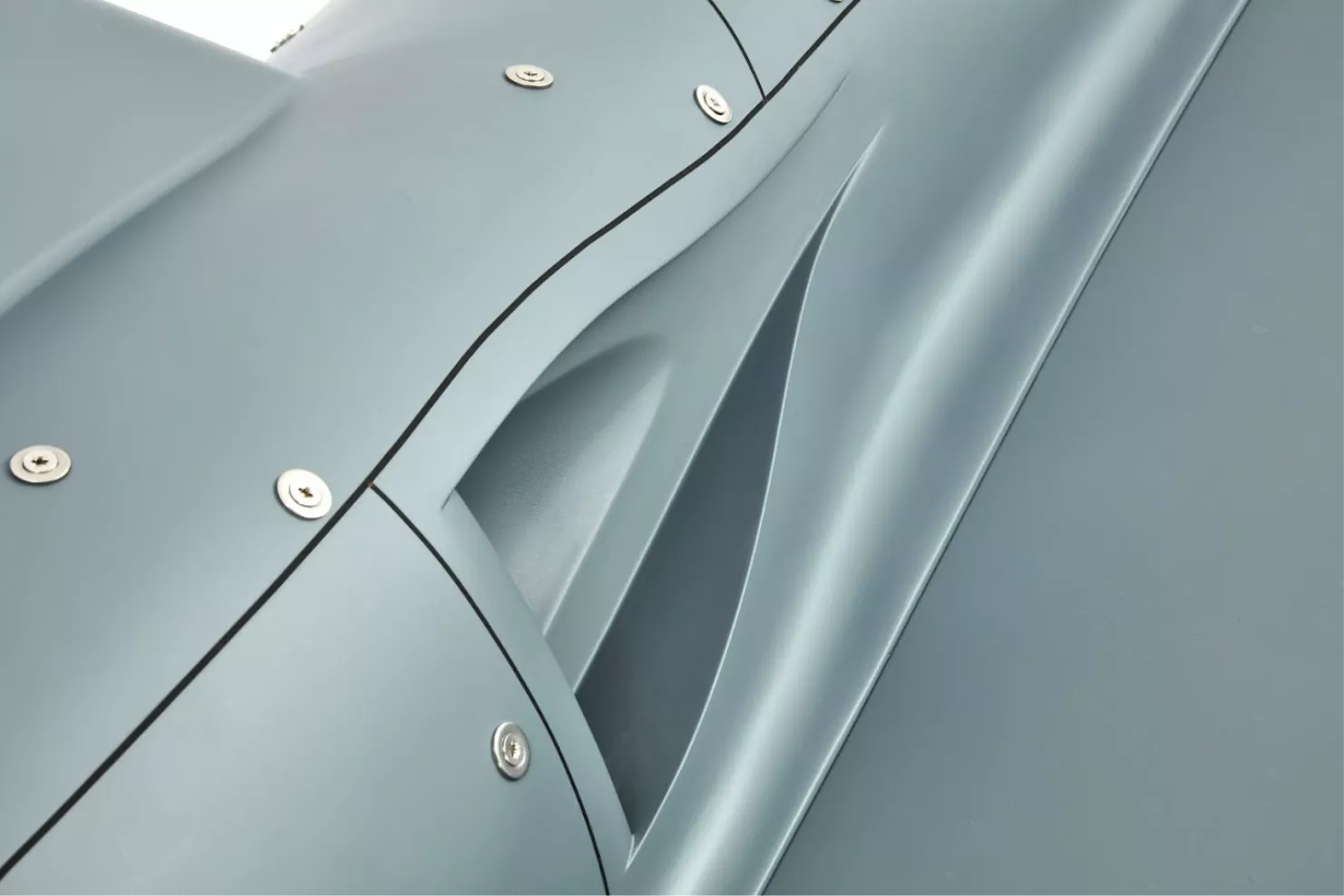
How Have Aerospace Model-Making Techniques Evolved?
Aerospace model-making has undergone significant transformation over recent decades, driven by advances in digital design, manufacturing automation, and materials science. Traditional hand-crafting techniques have been augmented with computer-controlled precision manufacturing, creating unprecedented accuracy and repeatability.
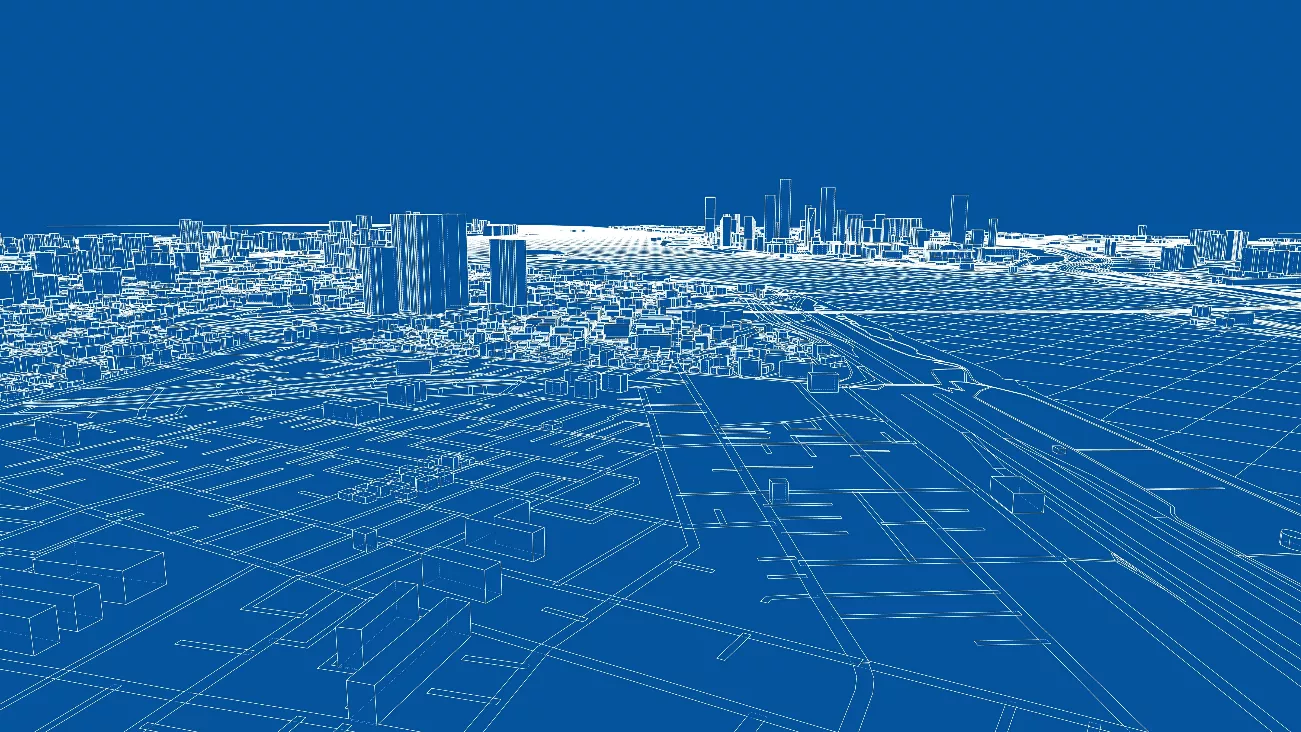
DIGITAL DESIGN INTEGRATION
Digital design integration has revolutionised the aerospace model-making workflow. CAD software enables precise three-dimensional modelling with exact dimensional control, whilst digital file formats facilitate seamless communication between design teams and manufacturing facilities. This digital foundation ensures aerospace scale models maintain dimensional accuracy critical for aerodynamic testing and technical validation.
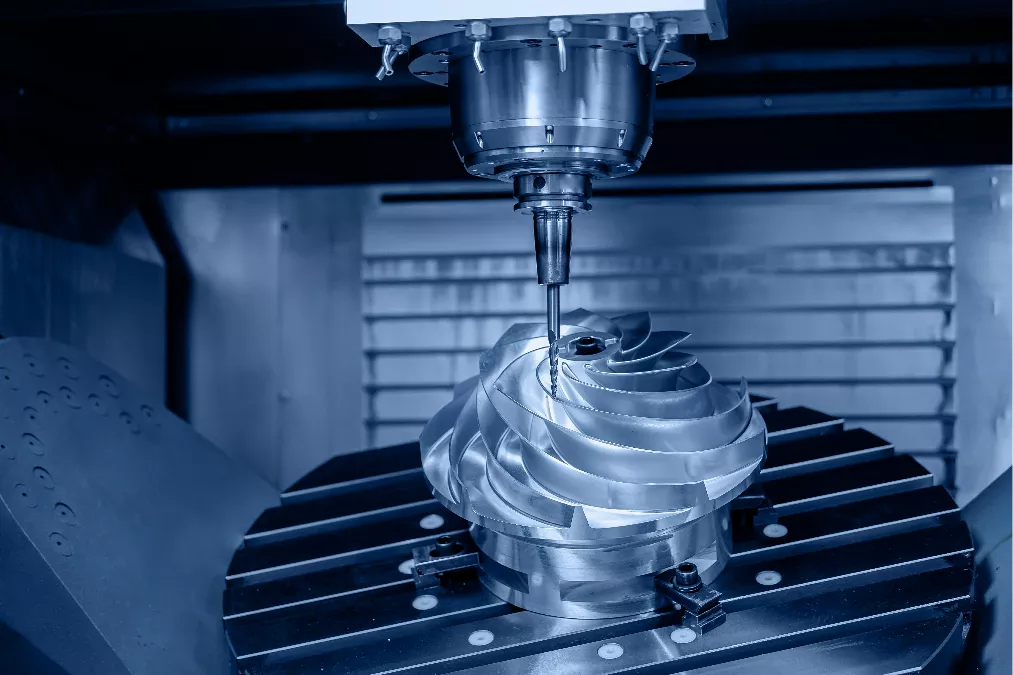
MANUFACTURING TECHNOLOGY ADVANCEMENTS
Manufacturing technology advancement has introduced capabilities that were impossible with traditional methods alone. Computer Numerical Control (CNC) machining delivers micron-level precision essential for aerospace applications, whilst additive manufacturing enables complex internal geometries and rapid prototyping capabilities.
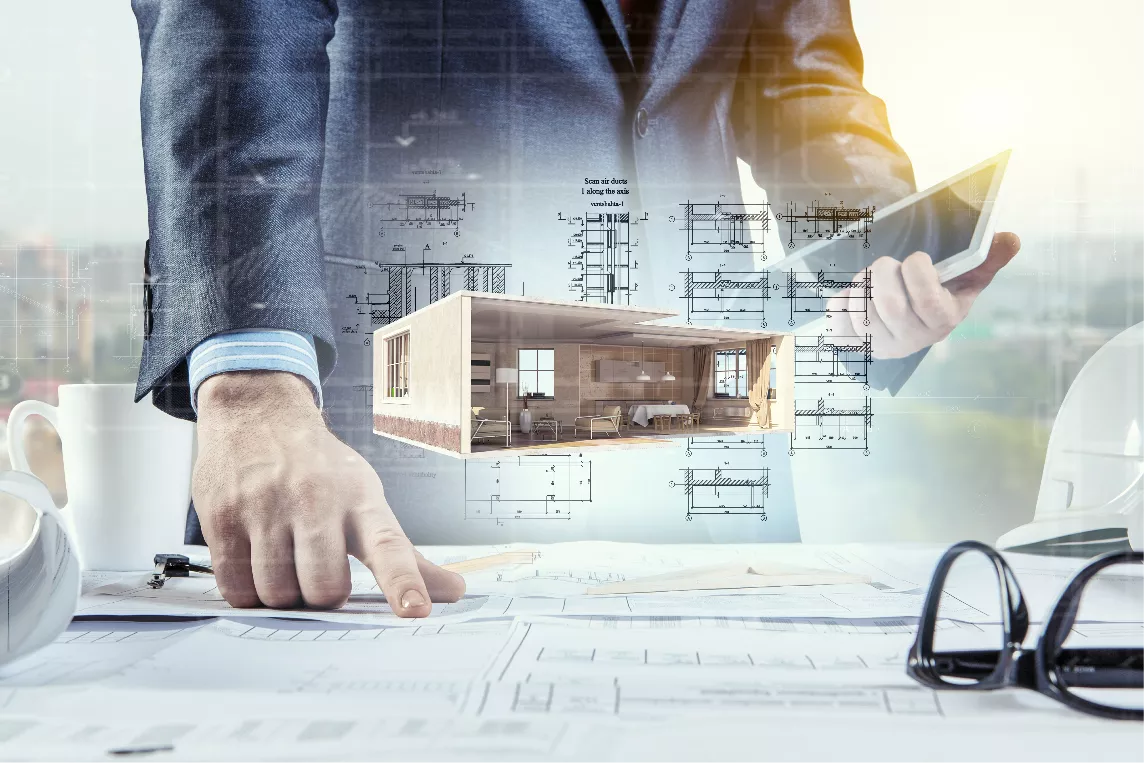
QUALITY ASSURANCE PROTOCOLS
Quality assurance protocols have become increasingly sophisticated, with coordinate measuring machines and laser scanning systems providing comprehensive dimensional verification. The UK’s National Measurement System ensures measurement consistency and international standards compliance, critical for collaborative aerospace projects.

MATERIALS INNOVATION
Materials innovation has expanded the palette available to aerospace model makers, incorporating advanced composites, specialised alloys, and engineering polymers that closely replicate full-scale aerospace materials’ properties and appearance.
The Role of CNC and 3D Printing in Aerospace Model-Making
CNC machining and additive manufacturing represent the cornerstone technologies enabling modern aerospace model-making precision and complexity. These advanced manufacturing techniques deliver capabilities that traditional methods cannot achieve whilst maintaining the craftsmanship quality that defines professional model making.
CNC MACHINING EXCELLENCE
CNC machining excellence provides unparalleled dimensional accuracy and surface finish quality essential for aerospace applications. Multi-axis CNC systems can produce complex curved surfaces with tolerances measured in microns, critical for aerodynamic model testing. The technology excels at working with aerospace-grade materials including aluminium alloys, engineering plastics, and composite materials.
UK manufacturing standards ensure CNC operations maintain consistent quality and traceability throughout production. Five-axis machining capabilities enable single-setup production of complex aerospace components, reducing assembly requirements whilst improving accuracy.
ADDITIVE MANUFACTURING CAPABILITIES
Additive manufacturing capabilities complement CNC machining by enabling geometries impossible through subtractive processes. 3D printing supports rapid prototyping, allowing aerospace engineers to evaluate multiple design iterations quickly. The technology excels at producing complex internal structures, lattice frameworks, and organic shapes characteristic of modern aerospace design.
HYBRID MANUFACTURING APPROACHES
Hybrid manufacturing approaches combine CNC precision with additive manufacturing flexibility. Professional model makers select optimal technologies for each component, balancing accuracy requirements, material properties, production timelines, and cost considerations. This integrated approach delivers superior results compared to relying on single manufacturing methods.
QUALITY CONTROL INTEGRATION
Quality control integration throughout the manufacturing process ensures aerospace models meet specified tolerances. In-process measurement systems verify dimensions during production, enabling real-time adjustments that maintain accuracy whilst reducing waste and rework.

How Precision Engineering Enhances Aerospace Model-Making Accuracy
Precision engineering principles underpin professional aerospace model-making, ensuring dimensional accuracy, functional reliability, and long-term durability. These disciplines combine measurement science, manufacturing control, and quality assurance to deliver models that meet aerospace industry requirements.
DIMENSIONAL ACCURACY STANDARDS
Dimensional accuracy standards in aerospace model-making demand rigorous control throughout the production process. The National Measurement System provides the framework ensuring measurement consistency and international recognition, essential for aerospace projects involving multiple organisations and countries.
TOLERANCE MANAGEMENT
Tolerance management addresses the relationship between design intent and manufacturing capability. Professional model makers understand how material properties, thermal expansion, and manufacturing processes affect final dimensions. This expertise enables realistic tolerance specifications that balance accuracy requirements with practical manufacturability.
SURFACE FINISH CONTROL
Surface finish control affects both aesthetic quality and functional performance in aerospace models. Wind tunnel testing requires specific surface roughness characteristics, whilst presentation models demand flawless appearance. British Standards BS 8000 provide guidance on workmanship standards ensuring consistent quality outcomes.
MEASUREMENT & VERIFICATION
Measurement and verification systems validate model accuracy against design specifications. Coordinate measuring machines, laser scanners, and optical inspection systems provide comprehensive dimensional data, whilst documentation systems maintain traceability throughout the project lifecycle.
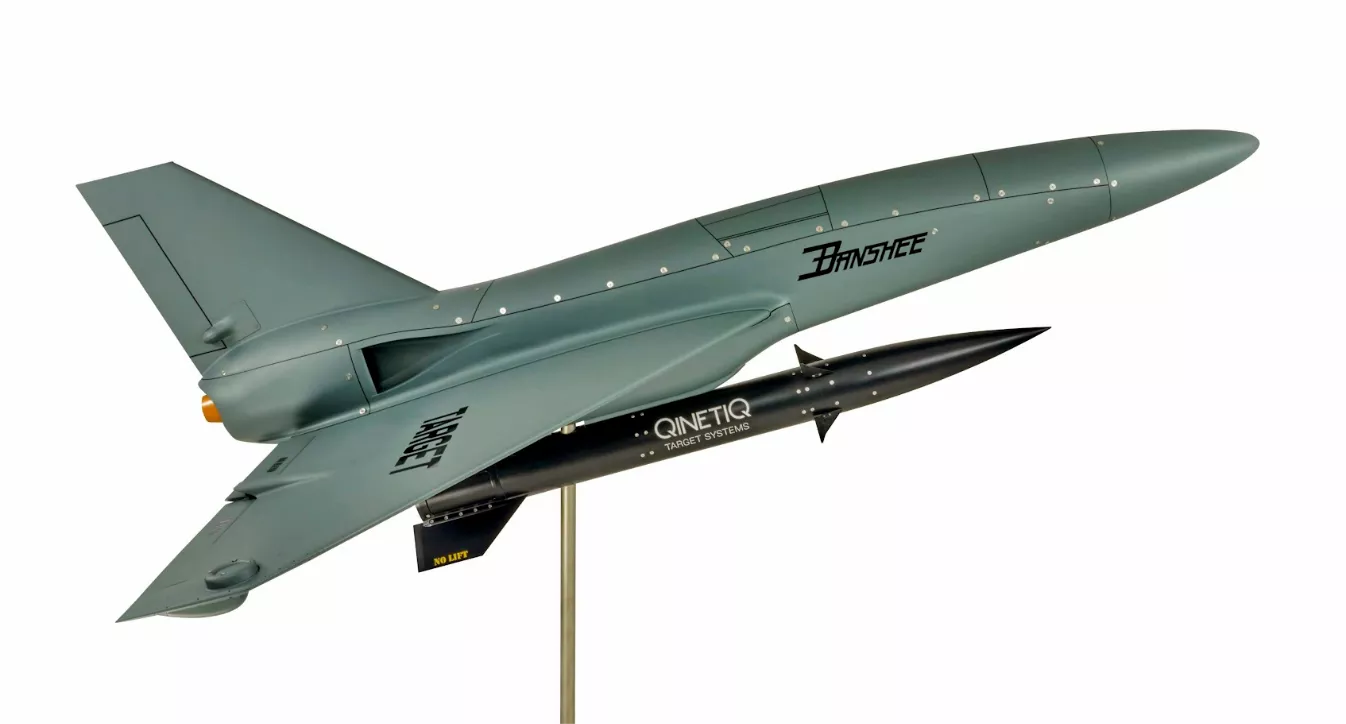
Sustainable and Lightweight Materials in Aerospace Model-Making
Material selection in aerospace model-making increasingly considers sustainability alongside traditional performance criteria. Advanced materials deliver weight reduction, environmental benefits, and improved functionality whilst maintaining the accuracy and durability aerospace applications demand.
LIGHTWEIGHT COMPOSITES
Lightweight composites mirror full-scale aerospace industry trends toward carbon fibre and advanced polymer materials. These materials provide excellent strength-to-weight ratios essential for wind tunnel models whilst offering dimensional stability and surface finish quality. Professional model makers possess the specialised knowledge required to work with these demanding materials.
RECYCLABLE MATERIALS
Recyclable materials support environmental sustainability without compromising model quality. Engineering-grade recycled plastics and reclaimed metals offer properties suitable for many aerospace model applications. Material selection balances environmental considerations with performance requirements and client specifications.
SUSTAINABLE MANUFACTURING PRACTICES
Sustainable manufacturing practices extend beyond material choices to encompass energy-efficient production methods, waste minimisation, and responsible disposal. Modern CNC systems and additive manufacturing technologies reduce material waste compared to traditional manufacturing whilst delivering superior precision.
MATERIAL TRACEABILITY SYSTEMS
Material traceability systems document all materials used in aerospace model construction, supporting warranty provisions, maintenance requirements, and environmental reporting. This comprehensive approach aligns with aerospace industry standards for quality management and environmental responsibility.
Why Choose Model Products for Advanced Aerospace Model-Making?
Model Products Ltd combines over six decades of aerospace model-making expertise with cutting-edge manufacturing capabilities and unwavering commitment to quality. This unique combination delivers aerospace scale models that exceed client expectations whilst meeting the exacting standards aerospace and defence applications demand.
HERITAGE & EXPERTISE
Heritage and expertise dating to the 1960s includes creating wind tunnel models for Concorde at the Royal Aircraft Establishment. This foundation in the most demanding aerospace applications continues today, serving leading aerospace organisations, defence contractors, and research institutions throughout the UK and internationally.
ADVANCED MANUFACTURING CAPABILITIES
Advanced manufacturing capabilities encompass the full spectrum of modern production technologies. Multi-axis CNC machining centres, industrial 3D printing systems, laser cutting equipment, and traditional craftsmanship tools enable optimal manufacturing approaches for every aerospace model component.
QUALITY ASSURANCE EXCELLENCE
Quality assurance excellence implements ISO 9001:2015 compliant processes ensuring comprehensive quality control throughout production. Advanced measurement systems verify dimensional accuracy, whilst rigorous inspection protocols maintain consistency across all projects. This systematic approach delivers the reliability aerospace applications require.
TECHNICAL COLLABORATION
Technical collaboration distinguishes Model Products’ approach to aerospace model-making. The team works closely with clients from initial concept through final delivery, providing expert guidance on scale selection, material choices, manufacturing approaches, and finishing techniques. This collaborative methodology ensures models meet all technical requirements whilst remaining within budget and schedule constraints.
SECTOR SPECIALISATION
Sector specialisation across defence, aerospace, and related industries provides deep understanding of client requirements and industry standards. The team navigates complex specifications, regulatory requirements, and technical challenges that characterise aerospace projects. The Defence Policy for Modelling and Simulation (JSP 939) provides frameworks that Model Products incorporates into aerospace project delivery.
FAQ
What are the latest aerospace model-making techniques?
The latest techniques include multi-axis CNC machining for precision components, additive manufacturing for complex geometries, advanced composite materials, digital design integration, and hybrid manufacturing approaches combining multiple technologies for optimal results.
How is 3D printing used in aerospace models?
3D printing enables rapid prototyping, complex internal structures, organic geometries, and design iteration capabilities impossible with traditional manufacturing. Professional model makers integrate additive manufacturing with CNC machining for comprehensive production capabilities.
What materials are used for aerospace scale models?
Materials include aerospace-grade aluminium alloys, engineering plastics, carbon fibre composites, specialised polymers, and traditional materials selected based on application requirements, performance specifications, and budget considerations.
Why is precision engineering important in aerospace model-making?
Precision engineering ensures dimensional accuracy essential for wind tunnel testing, functional reliability for operational models, and quality standards required for professional presentations. The UK’s National Measurement System provides frameworks ensuring measurement consistency and international standards compliance.
How long does it take to create an aerospace model?
Timelines vary significantly based on model complexity, scale, and specifications. Simple display models may require 4-8 weeks, whilst complex functional prototypes can take 3-6 months. Early consultation enables accurate timeline estimation.
References & Citations
#aerospacemodelmaking #aerospacescalemodels #precisionmodelmaking #advancedmanufacturing #3DprintingUK #CNCengineering #replicamodels #modelproductsUK #UKengineering #defencetechnology #aerospacetechnology #scaleengineering #UKmanufacturing #bespokemodels #modelmakingUK #innovationinengineering #craftedintheUK #aerospaceUK #defencemodels #professionalmodelmakers
Author bio for Model Products UK
Model Products Ltd is a UK-based specialist model making company, trusted by leading organisations to turn complex ideas into precise, tangible models that inform, persuade, and inspire. With over 60 years of combined experience in engineering, product design, and model making, the team blends traditional craftsmanship with advanced 3D printing, CNC machining, and modern fabrication techniques to deliver highly detailed, accurate, and durable models. From defence and aerospace to architecture, transport and infrastructure, R&D, agriculture, and commercial sales and marketing, Model Products creates bespoke scale models, working mechanical models, and exhibition display pieces tailored to each client’s objectives. Known for clear communication, rigorous attention to detail, and on-time delivery, the company supports projects at every stage – from early concept visualisation through to stakeholder presentations, training, and live event demonstrations.
By combining precision engineering with creative problem-solving, Model Products Ltd helps organisations de-risk decisions, showcase innovation, and bring complex stories to life in a way that digital visuals alone cannot achieve.