


How Rapid Prototyping Transforms Design, Manufacturing and Innovation Across Industries
The landscape of product development has undergone a seismic shift over the past decade, with rapid prototyping emerging as the cornerstone of modern manufacturing innovation. As businesses face mounting pressure to reduce time-to-market, minimise development costs and respond swiftly to evolving customer demands, rapid prototyping has evolved from a niche technology into an indispensable strategic asset. In 2026, the global rapid prototyping market stands poised to reach unprecedented heights, projected to grow from $3.33 billion in 2024 to a staggering $21.47 billion by 2034, representing a compound annual growth rate of 20.49%. This explosive growth reflects not merely technological advancement, but a fundamental transformation in how organisations conceptualise, design and validate new products.
Rapid prototyping encompasses a suite of advanced manufacturing technologies that enable designers, engineers and product development teams to transform digital concepts into physical prototypes with remarkable speed and precision. Unlike traditional prototyping methods that rely on labour-intensive manual processes, expensive tooling and lengthy production cycles, rapid prototyping leverages cutting-edge techniques including 3D printing, CNC machining, vacuum casting and hybrid manufacturing approaches. These technologies work in concert to deliver functional prototypes in days rather than weeks or months, fundamentally altering the economics and timelines of product development. The implications extend far beyond mere convenience—rapid prototyping enables iterative design refinement, early identification of potential flaws, comprehensive functional testing and meaningful stakeholder engagement throughout the development process.
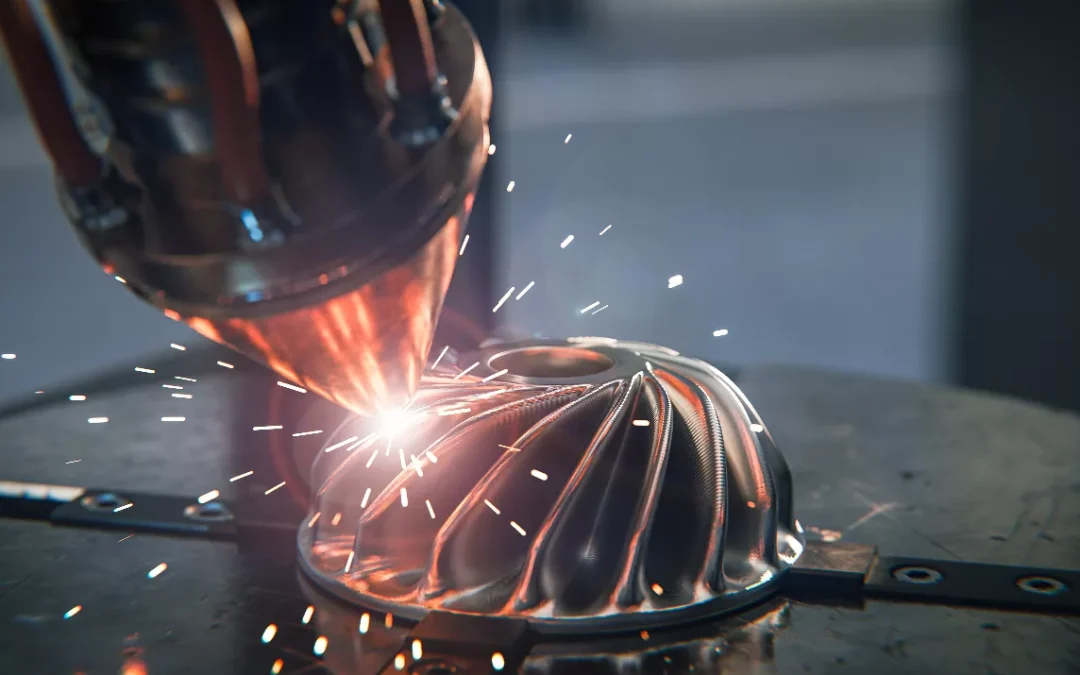
The convergence of artificial intelligence, automation, digital twin technology and multi-material printing capabilities has propelled rapid prototyping into a new era of sophistication and accessibility. Today’s systems incorporate AI-powered design optimisation, real-time quality monitoring through IoT-connected sensors, and predictive maintenance capabilities that ensure consistent output quality. Machine learning algorithms can detect anomalies layer by layer during the production process, whilst robotic handling and automated finishing streamline post-processing workflows. These advancements have given rise to what industry experts term “born-qualified” parts—components that emerge from the manufacturing process already meeting stringent quality standards without requiring extensive manual inspection or rework.
Understanding Rapid Prototyping: Core Principles and Technologies
At its essence, rapid prototyping represents a paradigm shift from subtractive and formative manufacturing approaches to additive and hybrid methodologies. Traditional manufacturing typically involves removing material from a solid block through machining or shaping material using moulds—processes that require significant upfront investment in tooling and equipment. Rapid prototyping, by contrast, builds objects layer by layer from digital design data, eliminating the need for expensive moulds and enabling the creation of geometries that would be impossible or prohibitively costly to produce through conventional means.
The rapid prototyping process begins with a three-dimensional digital model, typically created using Computer-Aided Design (CAD) software such as SolidWorks, ProEngineer or Autodesk Fusion. This digital representation captures every dimension, feature and specification of the intended prototype. Specialised software then processes the CAD file, converting the three-dimensional object into hundreds or thousands of two-dimensional cross-sectional slices. These slices serve as precise blueprints that guide the manufacturing equipment through the layer-by-layer construction process. The sophistication of modern CAD systems has become integral to rapid prototyping success, with contemporary platforms incorporating parametric modelling, direct modelling, generative design capabilities and integrated simulation tools that enable engineers to test and optimise designs digitally before committing to physical production.
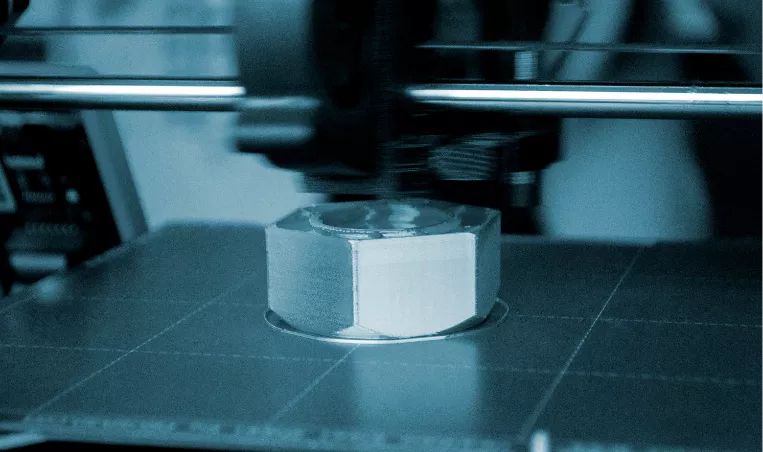
Multiple manufacturing technologies fall under the rapid prototyping umbrella, each offering distinct advantages depending on project requirements, material specifications and intended applications. Stereolithography (SLA) employs ultraviolet lasers to cure liquid photopolymer resins layer by layer, producing prototypes with exceptional surface finish and fine detail resolution ideal for visual models and design validation. Selective Laser Sintering (SLS) uses high-powered lasers to fuse powdered materials—typically nylon or other thermoplastics—into solid structures without requiring support materials, making it particularly well-suited for functional testing of complex geometries. Fused Deposition Modelling (FDM), perhaps the most widely recognised 3D printing technology, extrudes thermoplastic filaments through a heated nozzle, building objects from the bottom up with good structural integrity and reasonable material costs.
For applications demanding metal prototypes or components that will undergo rigorous functional testing in production-grade materials, Direct Metal Laser Sintering (DMLS) and CNC machining provide complementary capabilities. DMLS employs lasers to fuse metal powder particles into dense, fully functional metal parts with mechanical properties comparable to conventionally manufactured components, whilst CNC machining utilises computer-controlled cutting tools to remove material from solid blocks with exceptional precision—achieving tolerances as tight as ±0.05 millimetres. Vacuum casting offers yet another dimension to rapid prototyping capabilities, enabling cost-effective production of multiple prototype copies by creating silicone moulds from master patterns (typically produced via SLA) and casting polyurethane resins that simulate production thermoplastics including ABS, nylon and polycarbonate.
The emergence of hybrid manufacturing approaches represents one of the most significant recent developments in rapid prototyping. By combining additive and subtractive processes within integrated workflows, manufacturers can leverage the geometric freedom of 3D printing for complex core components whilst employing CNC machining to achieve critical tolerances and superior surface finishes on functional surfaces. This synergistic approach delivers prototypes that exhibit both the design complexity advantages of additive manufacturing and the dimensional accuracy benefits of precision machining, effectively eliminating the traditional trade-offs between these manufacturing paradigms.

The Strategic Business Advantages of Rapid Prototyping
The adoption of rapid prototyping delivers transformative business benefits that extend well beyond the engineering department, influencing strategic decision-making, market positioning and competitive advantage across entire organisations. Perhaps the most immediately apparent advantage lies in the dramatic acceleration of product development cycles. Research consistently demonstrates that rapid prototyping can reduce development timelines by up to 50 percent compared to traditional approaches, with many prototypes being produced in three to ten days depending on complexity and technology selection. In highly competitive sectors such as consumer electronics, automotive and medical devices—where market windows narrow rapidly and competitors race to capture emerging opportunities—this speed advantage can prove decisive. Companies employing rapid prototyping can capitalise on market trends whilst they remain relevant, respond to competitive threats with greater agility and bring innovative products to customers before slower-moving rivals.
The economic implications of rapid prototyping prove equally compelling. By eliminating the need for expensive tooling, moulds and fixtures required by traditional prototyping methods, organisations can reduce prototyping costs by up to 90 percent for initial iterations and small-batch production runs. This cost structure fundamentally alters the economics of product development, transforming prototyping from a capital-intensive endeavour requiring careful budget allocation and executive approval into an accessible tool that empowers designers and engineers to explore multiple design alternatives without financial constraint. The ability to test numerous design concepts, evaluate different material options and conduct comprehensive functional testing before committing to production tooling minimises the risk of costly errors reaching manufacturing stages. Industry studies indicate that identifying and correcting design flaws during the prototyping phase costs a fraction of addressing similar issues after production tooling has been created or, worse still, after products reach customers.
Rapid prototyping enhances design flexibility and fosters a culture of innovation by removing traditional barriers to experimentation and iteration. Engineers no longer face the prospect of weeks-long delays and substantial costs when refining designs based on testing feedback or stakeholder input. Instead, they can implement modifications, produce updated prototypes and validate improvements within remarkably compressed timeframes—often achieving multiple iteration cycles within a single week. This rapid iteration capability proves particularly valuable during collaborative design reviews involving cross-functional teams, where physical prototypes facilitate clearer communication than drawings or digital renderings alone. Stakeholders from marketing, manufacturing, quality assurance and executive leadership can interact with tangible prototypes, providing informed feedback grounded in physical reality rather than abstract speculation. This enhanced collaboration reduces misunderstandings, aligns expectations and ensures that final products reflect the collective insights of diverse perspectives.
The risk mitigation advantages of rapid prototyping deserve particular emphasis in industries characterised by stringent regulatory requirements, critical safety considerations or substantial capital investment in production infrastructure. By creating functional prototypes that can undergo comprehensive testing under realistic operating conditions, organisations can validate design assumptions, verify performance specifications and identify potential failure modes before committing to full-scale manufacturing. This de-risking process proves especially critical in sectors such as aerospace, defence, medical devices and automotive applications, where product failures can result in catastrophic consequences, regulatory sanctions and irreparable brand damage. Physical prototypes also serve as compelling proof-of-concept demonstrations for investors, partners and customers, providing tangible evidence of technical feasibility and market readiness that abstract business plans and digital presentations cannot match.
Cutting-Edge Technologies Reshaping Rapid Prototyping in 2026
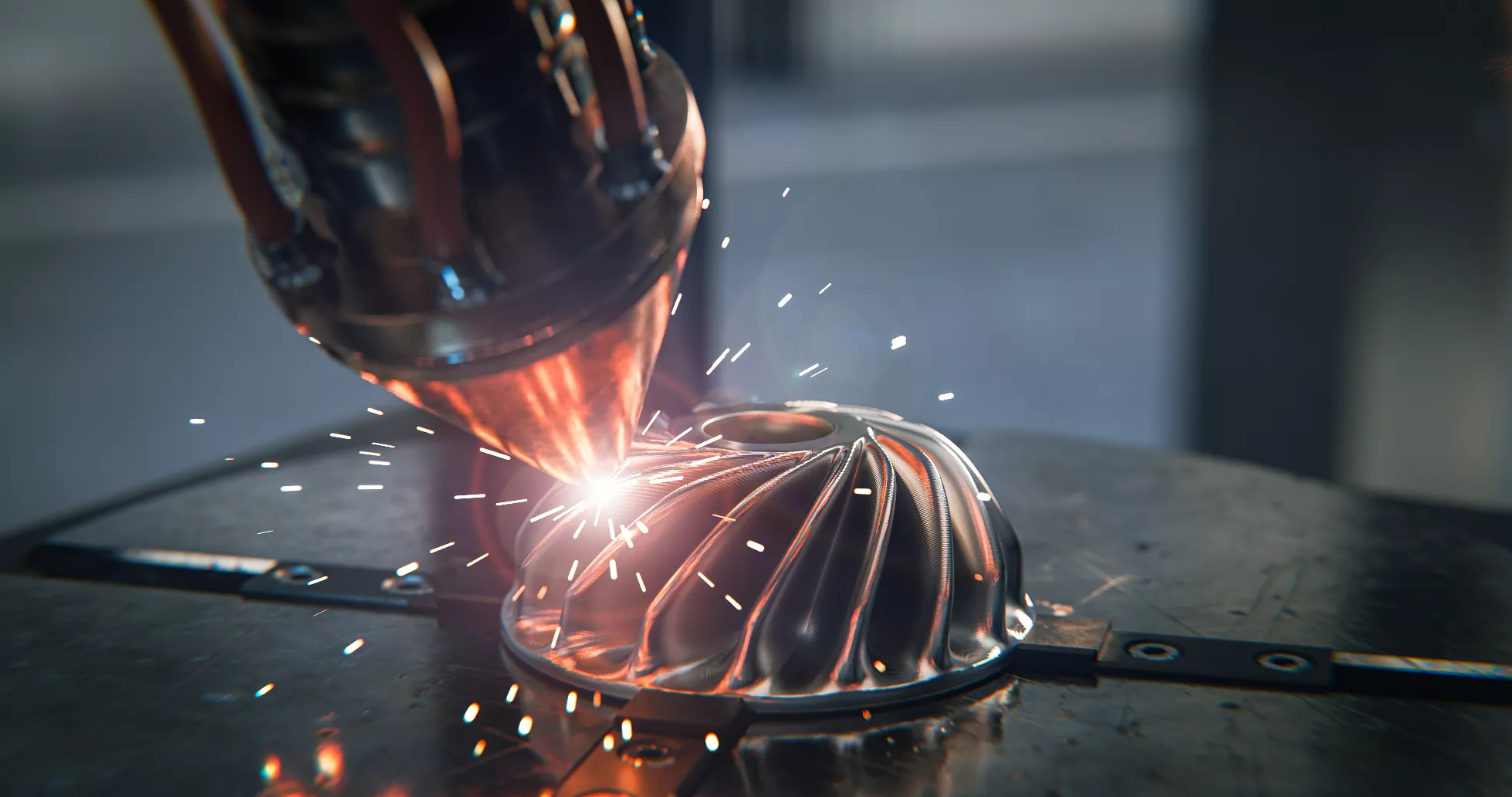
The rapid prototyping landscape continues to evolve at breakneck pace, with 2026 marking a pivotal year for several transformative technological advances. Artificial intelligence has transitioned from experimental novelty to practical necessity within rapid prototyping workflows, fundamentally enhancing both design and production processes. AI-powered design software now automatically optimises component structures for strength, efficiency and material utilisation, applying sophisticated algorithms that identify design improvements human engineers might overlook. These systems analyse thousands of potential design variations, applying engineering principles, manufacturability constraints and performance objectives to generate optimised solutions that balance competing requirements. Generative design tools, which were confined to pilot projects just years ago, have now matured into production-ready capabilities integrated within mainstream CAD platforms. Engineers input design specifications, performance targets, material constraints and cost parameters, receiving optimised design blueprints that significantly reduce development time whilst improving product performance. NASA’s adoption of generative design for life support backpack systems exemplifies the technology’s potential, achieving 50 percent mass reduction and 20 percent shorter design cycles compared to conventional approaches.
Machine learning algorithms have become integral to quality assurance and process control within rapid prototyping operations. Advanced systems employ real-time monitoring through embedded sensors and cameras that track every stage of the manufacturing process, identifying anomalies, deviations from specifications and potential defects as they occur rather than after production completes. These AI-driven quality systems learn from historical data, continuously refining their detection capabilities and enabling predictive adjustments that prevent defects before they manifest. The concept of “born-qualified” parts—components that require no post-production inspection because quality has been assured throughout manufacturing—represents the logical endpoint of this technological trajectory. Manufacturers implementing these systems report dramatic reductions in scrap rates, rework requirements and quality-related delays, whilst simultaneously improving consistency and repeatability across production runs.
Digital twin technology has emerged as a game-changing capability that bridges the physical and digital realms of product development. Digital twins create precise virtual replicas of physical prototypes, continuously synchronised with real-world counterparts through sensor data and IoT connectivity. This bidirectional relationship enables engineers to simulate operational conditions, test design modifications and predict performance characteristics within the digital environment before implementing changes to physical prototypes. The technology proves particularly valuable for complex assemblies and systems where component interactions significantly influence overall performance. Engineers can identify interference issues, evaluate thermal characteristics, assess structural loads and optimise material selections through digital simulation, dramatically reducing the number of physical iterations required to achieve final specifications. The cost and time savings prove substantial—organisations report reducing prototype cycles by 30 to 50 percent through effective digital twin implementation whilst simultaneously improving final product quality.
Multi-material printing capabilities represent another frontier expanding the practical applications of rapid prototyping. Early additive manufacturing systems were constrained to single-material construction, limiting their utility for prototypes requiring diverse material properties within a single component. Contemporary systems can now print with multiple materials in a single build operation, enabling the creation of prototypes that combine rigid structural elements with flexible joints, integrate conductive traces for electronic functionality or incorporate materials with varying optical, thermal or mechanical properties. This capability proves transformative for applications ranging from consumer electronics enclosures with integrated gaskets to medical devices combining rigid housings with soft-touch user interfaces. The ability to produce fully functional prototypes that accurately represent production intent—including material property variations—enables more meaningful testing and validation, reducing the gap between prototype and production phases.
Industry Applications: Rapid Prototyping Across Sectors
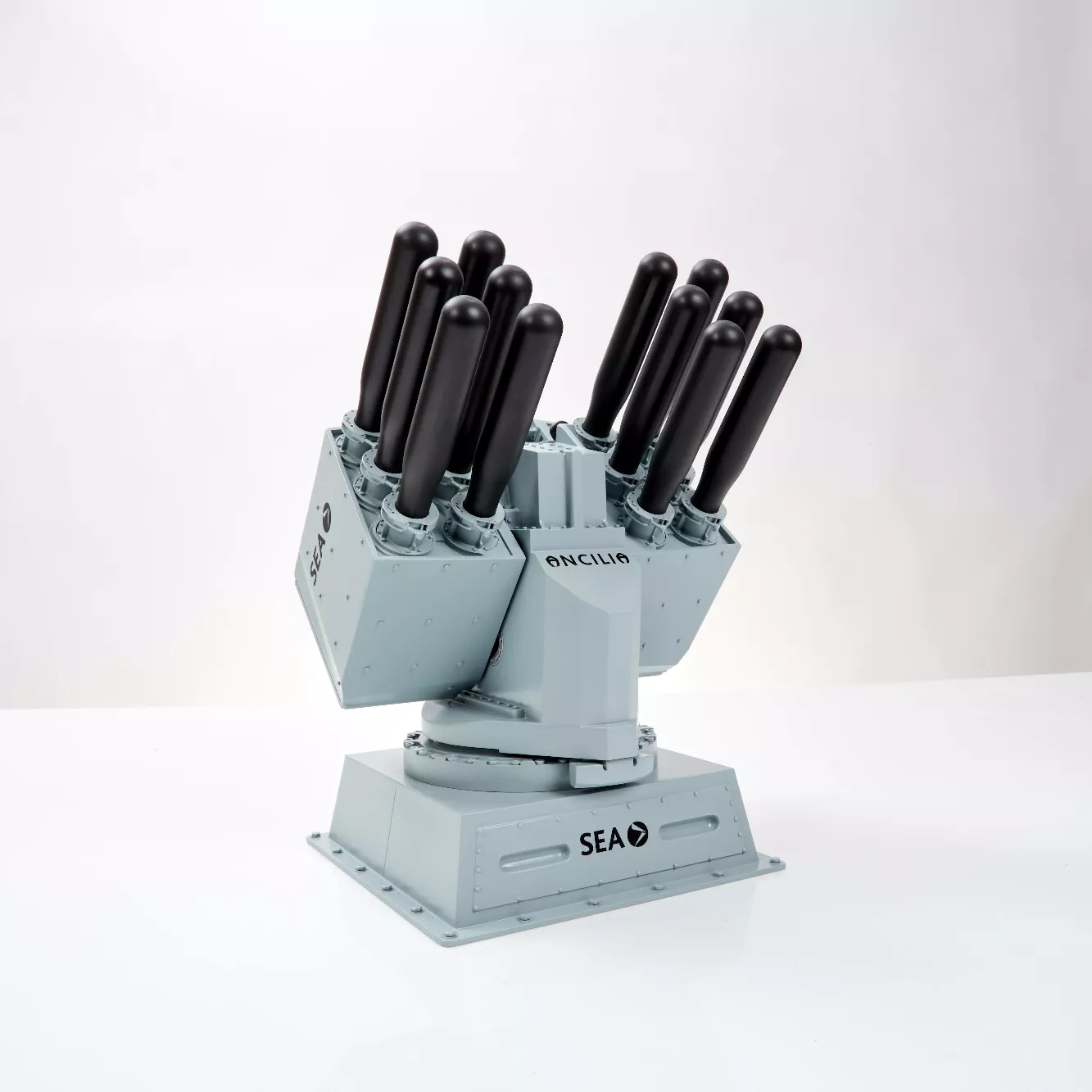
The versatility of rapid prototyping has driven its adoption across an extraordinarily diverse range of industries, each leveraging the technology’s unique advantages to address sector-specific challenges and opportunities. Within the aerospace and defence sectors, rapid prototyping has become indispensable for developing complex components that must satisfy stringent performance, weight and safety requirements. Aircraft manufacturers employ rapid prototyping for wind tunnel testing, producing accurate scale models that enable aerodynamic validation before committing to full-scale production. The technology facilitates testing of alternative materials, evaluation of novel geometries and rapid iteration of design concepts in response to computational fluid dynamics simulations. Defence applications extend beyond traditional prototyping into mission-specific customisation, enabling rapid production of specialised components, replacement parts and adaptive equipment tailored to evolving operational requirements. The ability to produce functional prototypes in production-grade materials allows comprehensive testing under realistic operating conditions, including extreme temperatures, vibration, chemical exposure and mechanical stress.
Architectural applications of rapid prototyping have transformed how design concepts are communicated, evaluated and refined. Architects and urban planners create highly detailed scale models that convey spatial relationships, aesthetic qualities and contextual integration far more effectively than two-dimensional drawings or digital renderings. These physical models facilitate client discussions, enable design team collaboration and serve as compelling presentation tools for planning approvals and public consultations. The speed and cost-effectiveness of contemporary rapid prototyping technologies allow architects to explore multiple design alternatives, test structural concepts and visualise complex geometries that challenge conventional model-making techniques. Projects incorporating organic forms, intricate facades or innovative structural systems particularly benefit from rapid prototyping capabilities, as these features can be accurately represented and assessed before construction commences.
The medical and healthcare sectors have embraced rapid prototyping with particular enthusiasm, driven by the technology’s capacity to produce patient-specific devices, anatomically accurate surgical models and innovative medical instruments. Custom prosthetics, orthotics and assistive devices represent perhaps the most visible applications, where rapid prototyping enables economical production of devices precisely tailored to individual patient anatomy and functional requirements. Surgeons increasingly employ patient-specific anatomical models created from CT or MRI scan data to plan complex procedures, visualise pathology and practice surgical approaches before entering the operating theatre. This pre-surgical planning reduces procedure duration, improves outcomes and minimises complications. Dental applications have proven particularly amenable to rapid prototyping, with clear aligners, surgical guides, temporary crowns and permanent restorations now routinely produced using additive manufacturing technologies. The oral rapid prototyping materials market alone projects growth to $1.2 billion by 2026, reflecting the technology’s transformative impact on dental practice workflows.
Research and development organisations across industries rely on rapid prototyping to accelerate innovation cycles, test hypotheses and develop proof-of-concept demonstrations. The technology enables scientists and engineers to quickly fabricate experimental apparatus, test fixtures and functional prototypes that support iterative hypothesis testing and design refinement. Universities and research institutions employ rapid prototyping for educational purposes, allowing students to transform theoretical concepts into tangible objects whilst developing practical skills in design, engineering and manufacturing. The accessibility and relatively low cost of contemporary rapid prototyping technologies have democratised innovation, enabling small businesses, independent inventors and entrepreneurial ventures to compete with established corporations by rapidly developing and validating new product concepts without requiring substantial capital investment.
Navigating Standards, Regulations and Quality Assurance
As rapid prototyping transitions from experimental technology to mainstream manufacturing process, comprehensive standards frameworks have emerged to ensure safety, quality and interoperability across the industry. The International Organization for Standardization (ISO), working in collaboration with ASTM International, has developed an extensive suite of standards specifically addressing additive manufacturing and rapid prototyping technologies. ISO/ASTM 52900:2021 establishes fundamental terminology and definitions used throughout the additive manufacturing field, providing a common language that facilitates clear communication among manufacturers, suppliers, customers and regulatory bodies. This foundational standard proves essential for contract negotiations, technical specifications and quality agreements, ensuring all parties share consistent understanding of terms, processes and expectations.
Design-specific standards provide guidance on creating components optimised for additive manufacturing processes. ISO 20195:2015 offers best practices for designing products, systems and components manufactured through additive processes, addressing considerations including feature geometry, support structures, material properties and post-processing requirements. These design guidelines help engineers avoid common pitfalls, optimise designs for specific manufacturing technologies and ensure that components can be successfully produced with acceptable quality and cost. The British Standards Institution has published BS 8888:2025, the UK’s comprehensive reference for technical product specification and documentation, which has been updated to incorporate additive manufacturing guidance alongside traditional manufacturing methods. This integration reflects the maturation of rapid prototyping technologies and their acceptance as legitimate production processes rather than merely prototyping tools.
Material qualification standards ensure that feedstock materials used in rapid prototyping processes meet consistent quality specifications and deliver predictable performance characteristics. BS EN ISO/ASTM 52925 addresses qualification requirements for polymer materials used in laser-based powder bed fusion, whilst parallel standards cover metal powders, resin systems and other material categories. These standards specify testing methodologies, property measurement protocols and documentation requirements that enable materials from different suppliers to be compared objectively and selected appropriately for specific applications. Quality management systems standards, including ISO 9001:2015, provide frameworks for establishing and maintaining comprehensive quality assurance programmes that encompass equipment calibration, process validation, operator training and continuous improvement initiatives.
The United Kingdom maintains specific competency standards for personnel operating rapid prototyping equipment, codified within the UK Standards framework as SEMPAT327. These standards identify the skills, knowledge and understanding required to safely and effectively produce components using rapid prototyping techniques, covering equipment selection, file preparation, machine operation, safety procedures and quality verification. Competency requirements address both technical aspects—understanding of additive manufacturing principles, material properties, process parameters and post-processing techniques—and practical skills including equipment setup, troubleshooting and component finishing. Organisations implementing comprehensive training programmes aligned with these competency standards benefit from improved process reliability, reduced equipment downtime and consistent output quality.
Comparing Rapid Prototyping with Traditional Approaches
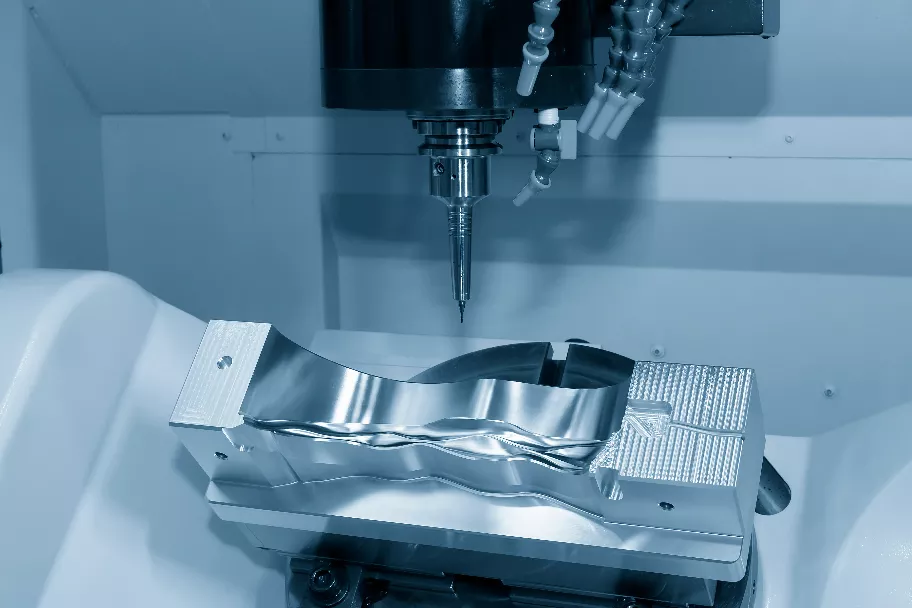
Understanding the fundamental differences between rapid prototyping and traditional prototyping methodologies illuminates when each approach proves most appropriate and how organisations can strategically combine both to optimise their product development processes. Traditional prototyping typically relies on conventional manufacturing techniques including CNC machining, injection moulding, casting and manual fabrication. These methods have supported product development for decades, delivering robust, highly accurate prototypes that closely replicate production parts in both material composition and manufacturing process. CNC machining, for instance, produces prototypes with exceptional dimensional accuracy, excellent surface finish and mechanical properties identical to production components because both prototype and production parts are manufactured from the same materials using similar processes.
However, traditional prototyping carries significant disadvantages that limit its applicability in contemporary fast-paced development environments. Time requirements represent perhaps the most substantial constraint—creating moulds, programming CNC machines and fabricating prototypes through conventional processes typically requires weeks or even months, particularly when design modifications necessitate retooling or reprogramming. Cost structures heavily favour high-volume production, with substantial upfront investment in tooling, fixtures and setup making traditional approaches prohibitively expensive for small quantities or frequent design iterations. Injection moulding tooling alone can cost tens of thousands of pounds, rendering the approach economically viable only when amortised across large production runs. Design flexibility proves limited because modifying designs after tooling has been created requires additional time and expense, discouraging the iterative refinement that characterises effective product development.
Rapid prototyping addresses these limitations through fundamentally different technological approaches and economic models. Production timeframes collapse from weeks to days, with simple components often available within 24 to 48 hours of design finalisation. Cost structures eliminate expensive upfront tooling investment, instead scaling proportionally with component complexity, size and material selection. Design modifications require only updated digital files—no retooling, no reprogramming, no costly delays. This flexibility encourages experimentation, enables responsive adaptation to testing feedback and supports collaborative design processes involving multiple stakeholders. Material versatility has expanded dramatically as rapid prototyping technologies have matured, with contemporary systems capable of producing prototypes in engineering-grade thermoplastics, high-performance resins, metals ranging from aluminium to titanium and even composite materials incorporating carbon fibre or glass reinforcement.
Precision and accuracy characteristics differ between rapid prototyping and traditional methods, with optimal technology selection depending on specific project requirements. CNC machining generally delivers superior dimensional accuracy and tighter tolerances compared to most additive manufacturing processes, making it preferable for prototypes requiring precise fits, critical dimensions or extremely smooth surfaces. However, additive manufacturing excels at producing complex internal geometries, organic shapes and intricate features that would be difficult or impossible to machine using subtractive methods. Hybrid approaches combining both technologies increasingly represent best practice, leveraging additive manufacturing for geometric complexity whilst employing precision machining for critical features and surfaces.
Cost Considerations and Economic Analysis
Developing accurate cost estimates for rapid prototyping projects requires understanding multiple interrelated factors that collectively determine final expenses. Material costs represent the most obvious component, varying substantially across different technologies and material categories. Stereolithography resins typically cost from £0.40 per gramme for standard formulations to several pounds per gramme for specialised materials offering specific mechanical, thermal or optical properties. Selective laser sintering powders command higher prices, with nylon powders starting around £0.70 per gramme and engineering-grade polymers costing considerably more. Metal powders for direct metal laser sintering represent the premium end of the material spectrum, with stainless steel, aluminium and titanium alloys ranging from £50 to over £200 per kilogramme depending on alloy composition, particle size distribution and quality certification.
Component size, complexity and geometry significantly influence costs through their impact on material consumption, production time and support structure requirements. Larger prototypes naturally require more material and longer build times, driving costs upward proportionally. Complex geometries incorporating intricate details, thin walls or extensive internal features may necessitate substantial support structures that must be removed during post-processing, increasing both material usage and labour requirements. Hollow components can dramatically reduce material costs compared to solid equivalents whilst often improving functional performance through weight reduction, making design optimisation for manufacturability an important cost control strategy.
Technology selection exerts profound influence on project economics, with different manufacturing processes offering distinct cost profiles suited to particular applications. FDM 3D printing represents the most economical option for simple prototypes, with basic components produced in standard materials costing £10 to £50 depending on size. SLA printing delivers superior surface quality and fine detail at moderate cost premiums, typically £50 to £200 for prototypes requiring excellent aesthetics or precise features. CNC machining costs vary widely based on material selection, complexity and required tolerances, with simple aluminium components starting around £150 and complex stainless steel or titanium parts reaching £500 to £800 or higher. Vacuum casting presents compelling economics for small production runs, with initial master mould costs of £500 to £1,000 offset by per-unit costs of £30 to £80 when producing 10 to 50 copies.
Quantity requirements fundamentally alter project economics and optimal technology selection. Single prototypes or very small quantities favour additive manufacturing approaches that eliminate tooling costs and scale proportionally with unit count. As quantity requirements increase beyond approximately 10 to 20 units, vacuum casting often becomes economically advantageous because the fixed mould cost is amortised across multiple parts whilst per-unit production costs remain relatively low. For quantities exceeding several hundred units, traditional manufacturing approaches including injection moulding may prove more cost-effective despite substantial upfront tooling investment, though this calculus depends heavily on component complexity, material requirements and timeline constraints.
Post-processing requirements can add significant costs that quotations must account for accurately. Support structure removal, surface finishing, painting, assembly and quality inspection all require labour and specialised equipment. Metal components produced through additive manufacturing often require stress-relieving heat treatment, hot isostatic pressing or extensive machining to achieve final specifications, potentially doubling or tripling base production costs. Conversely, components designed specifically for additive manufacturing with self-supporting geometries and acceptable as-built surface finishes can minimise post-processing expenses, highlighting the value of design for manufacturing principles.
Implementing Rapid Prototyping: Strategic Considerations
Organisations contemplating rapid prototyping adoption face strategic decisions regarding internal capability development versus outsourced service utilisation. Building internal rapid prototyping capabilities requires substantial upfront investment in equipment, facility infrastructure, materials inventory and personnel training, but delivers long-term advantages including complete process control, rapid turnaround for urgent projects and protection of intellectual property through contained internal workflows. Equipment costs vary dramatically based on technology selection and capability requirements, with desktop FDM printers available from several thousand pounds whilst industrial-grade metal additive manufacturing systems command investments exceeding hundreds of thousands of pounds. Facility requirements extend beyond equipment footprint to encompass environmental controls, ventilation systems, material storage and post-processing capabilities.
Outsourcing to specialised rapid prototyping service providers offers an alternative path that minimises capital investment whilst providing access to diverse technologies and expert capabilities. Service providers maintain equipment fleets spanning multiple manufacturing technologies, enabling customers to select optimal processes for specific projects without investing in equipment they may use infrequently. Expert staff assist with design optimisation, material selection and finishing specification, often delivering superior results compared to inexperienced internal teams. However, outsourcing introduces considerations including intellectual property protection, communication challenges, shipping logistics and reduced control over schedules, making careful service provider selection critical to project success.
Hybrid strategies combining internal capabilities for routine prototyping requirements with outsourced services for specialised technologies or surge capacity represent pragmatic approaches for many organisations. Maintaining internal FDM or SLA printing capabilities enables rapid iteration during early development phases, quick production of test fixtures and jigs, and responsive support for day-to-day engineering needs. Outsourcing metal prototyping, large-format components or specialised materials to expert service providers optimises the economic equation whilst maintaining development momentum. This balanced approach delivers flexibility, cost-effectiveness and access to comprehensive technological capabilities without requiring excessive capital investment or maintaining underutilised equipment.
Technology selection must align with specific application requirements, material specifications and quality expectations. Form-and-fit prototypes intended primarily for visual evaluation and dimensional verification may require only basic FDM or SLA capabilities, prioritising speed and cost over mechanical performance. Functional prototypes subjected to assembly testing, user trials or engineering validation demand technologies and materials that replicate production specifications more accurately, potentially necessitating CNC machining, SLS printing in engineering thermoplastics or metal additive manufacturing. Understanding the critical attributes each prototype must exhibit—whether dimensional accuracy, surface finish, mechanical strength, chemical resistance, thermal stability or electrical properties—enables informed technology selection that balances performance requirements against cost and timeline constraints.
Frequently Asked Questions
What exactly is rapid prototyping?
Rapid prototyping encompasses advanced manufacturing technologies that enable swift creation of physical prototypes directly from digital design data. Unlike traditional prototyping methods requiring expensive tooling and lengthy production cycles, rapid prototyping employs additive manufacturing (3D printing), CNC machining, vacuum casting and hybrid processes to produce functional prototypes in days rather than weeks or months. These technologies build components layer by layer from CAD files, eliminating tooling requirements and enabling rapid iteration throughout product development.
How does rapid prototyping actually work?
The rapid prototyping process begins with creating a three-dimensional digital model using CAD software. Specialised software then converts this 3D model into hundreds or thousands of 2D cross-sectional slices. Manufacturing equipment uses these slices as blueprints, building the physical prototype layer by layer through additive processes (depositing, curing or fusing material) or subtractive processes (removing material from solid blocks via computer-controlled cutting). Different technologies employ distinct mechanisms—SLA uses lasers to cure liquid resin, FDM extrudes melted thermoplastic, SLS fuses powder particles, whilst CNC machining cuts solid material—but all transform digital designs into tangible objects rapidly.
Which rapid prototyping technology should I choose?
Technology selection depends on your prototype’s intended purpose, required material properties, dimensional accuracy needs, surface finish expectations and budget constraints. FDM printing offers economical prototypes suitable for concept validation and form-and-fit testing. SLA delivers excellent surface quality and fine details ideal for visual models and design presentations. SLS produces functional prototypes in engineering-grade thermoplastics suitable for mechanical testing. CNC machining provides exceptional accuracy and production-material prototypes for rigorous functional validation. Vacuum casting enables cost-effective small-batch production. Consulting with experienced rapid prototyping professionals helps match technologies to specific requirements.
What are the main benefits of rapid prototyping?
Rapid prototyping delivers transformative advantages including dramatically accelerated development timelines (50% faster than traditional methods), substantial cost reductions (up to 90% for initial prototypes), enhanced design flexibility enabling rapid iteration, early identification of design flaws before expensive tooling investment, improved stakeholder collaboration through tangible physical models, reduced risk through comprehensive testing before production commitment, and the ability to test multiple design alternatives without prohibitive expense.
How long does rapid prototyping take?
Turnaround times depend on component size, complexity and selected technology. Simple FDM or SLA prototypes can be produced within 24 to 48 hours. More complex components or those requiring CNC machining typically need three to ten days. Vacuum casting projects require one to two weeks including mould fabrication time. Rush services can further compress timelines when necessary. Regardless of technology, rapid prototyping dramatically outpaces traditional methods that often require weeks or months to deliver initial prototypes.
Can rapid prototyping produce prototypes in different materials?
Yes, contemporary rapid prototyping technologies support an extensive range of materials. Additive manufacturing systems can process various thermoplastics (ABS, nylon, polycarbonate, PEEK), photopolymer resins with diverse properties (rigid, flexible, transparent, heat-resistant), metals (aluminium, stainless steel, titanium, chrome-cobalt), and composite materials. CNC machining works with virtually any machinable material including metals, engineering plastics and composites. Vacuum casting employs polyurethane resins formulated to simulate production thermoplastics. This material versatility enables prototypes that accurately represent production specifications.
What is the difference between rapid prototyping and traditional prototyping?
Traditional prototyping relies on conventional manufacturing methods including manual fabrication, injection moulding and machining, requiring expensive tooling, lengthy setup periods and substantial lead times (weeks to months). Design changes necessitate retooling, making iteration costly and time-consuming. Rapid prototyping employs additive manufacturing and advanced CNC technologies that eliminate tooling requirements, dramatically compress timelines (days instead of weeks), enable cost-effective design iteration and provide greater geometric freedom. Traditional methods excel for large production runs and rigorous testing in production processes, whilst rapid prototyping optimises early development phases requiring speed and flexibility.
Is rapid prototyping suitable for functional testing?
Absolutely. Modern rapid prototyping technologies produce prototypes with mechanical, thermal and chemical properties closely matching production materials. CNC machining creates prototypes in actual production materials with identical properties. Metal additive manufacturing delivers fully functional metal components suitable for rigorous testing. Advanced SLS and MJF technologies produce engineering-grade thermoplastic parts capable of withstanding mechanical loads, thermal cycling and assembly processes. Material science advances continue expanding functional testing capabilities, with contemporary prototypes routinely subjected to comprehensive validation including stress testing, environmental exposure, durability evaluation and performance verification.
How does rapid prototyping support innovation?
Rapid prototyping fundamentally transforms innovation processes by removing traditional barriers to experimentation and iteration. Designers and engineers can rapidly test multiple concepts, incorporate feedback immediately, refine designs iteratively and validate assumptions through physical testing—all without prohibitive costs or delays. This iterative approach encourages creative exploration, reduces fear of failure and enables data-driven design decisions grounded in real-world testing rather than theoretical speculation. Rapid prototyping democratises innovation by making product development accessible to organisations of all sizes, from startups to multinational corporations.
#RapidPrototyping #Prototyping #Prototype #3DPrinting #AdditiveManufacturing #ProductDevelopment #Engineering
#Manufacturing #Innovation #Design #3DPrint #3DPrinter #3DPrinted #IndustrialDesign #ProductDesign #CNC
#CNCMachining #CAD #MechanicalEngineering #DesignThinking #Technology #Fabrication #Engineering #Maker #3DDesign #3DModel #VacuumCasting #LaserCutting #DigitalFabrication #HybridManufacturing #AIDesign #GenerativeDesign #DigitalTwin
REFERENCE SECTION
Standards & Governing Bodies
International Organization for Standardization (ISO)
Website: www.iso.org
ISO/TC 261 – Additive manufacturing technical committee
ISO/ASTM 52900:2021 – Additive manufacturing terminology and definitionsBritish Standards Institution (BSI)
Website: www.bsigroup.com
BS 8888:2025 – Technical product specification and documentation
AMT/8 Committee – UK additive manufacturing standards developmentASTM International
Website: www.astm.org
Collaborative development of additive manufacturing standards with ISO
Materials testing and qualification standardsUK Standards Organisation
Website: www.ukstandards.org.uk
SEMPAT327 – Producing components by rapid prototyping techniques competency standardsTWI Ltd (The Welding Institute)
Website: www.twi-global.com
Technical knowledge resource for additive manufacturing standards
Industry Publications & Analysis
Machine Design
Website: www.machinedesign.com
Manufacturing technology news and rapid prototyping advancementsForbes – Manufacturing Trends
Website: www.forbes.com
Bernard Marr’s analysis of manufacturing industry trends for 2026Develop3D
Website: develop3d.com
3D design, engineering and manufacturing technology publicationPlastics Today
Website: www.plasticstoday.com
Polymer and plastics manufacturing industry news3D Print Bureau UK
Website: www.3dprintbureau.co.uk
3D printing trends and technology insights for 2026
Technology & Software Providers
Autodesk
Website: www.autodesk.com
CAD software and rapid prototyping design tools informationFormlabs
Website: formlabs.com
Educational resources on 3D printing and rapid prototyping technologies
Academic & Research Institutions
Harvard Business School Online
Website: online.hbs.edu
Rapid prototyping methodologies and innovation researchCambridge Network
Website: www.cambridgenetwork.co.uk
Technology and manufacturing innovation in the UKScienceDirect
Website: www.sciencedirect.com
Peer-reviewed research on additive manufacturing standardisation
Manufacturing Associations
Manufacturing Technology Association (MTA)
Website: www.mta.org.uk
UK manufacturing industry association with standards updatesPivot International
Website: pivotint.co.uk
Product development and additive manufacturing insights
Author bio for Model Products UK
Model Products Ltd is a UK-based specialist model making company, trusted by leading organisations to turn complex ideas into precise, tangible models that inform, persuade, and inspire. With over 60 years of combined experience in engineering, product design, and model making, the team blends traditional craftsmanship with advanced 3D printing, CNC machining, and modern fabrication techniques to deliver highly detailed, accurate, and durable models. From defence and aerospace to architecture, transport and infrastructure, R&D, agriculture, and commercial sales and marketing, Model Products creates bespoke scale models, working mechanical models, and exhibition display pieces tailored to each client’s objectives. Known for clear communication, rigorous attention to detail, and on-time delivery, the company supports projects at every stage – from early concept visualisation through to stakeholder presentations, training, and live event demonstrations.
By combining precision engineering with creative problem-solving, Model Products Ltd helps organisations de-risk decisions, showcase innovation, and bring complex stories to life in a way that digital visuals alone cannot achieve.