


Replica Models vs Digital Visualisation: Everything You Need to Know
The ongoing debate between physical replica models vs digital visualisation has intensified across defence, aerospace, and infrastructure sectors. While digital technologies offer compelling advantages in speed and flexibility, replica models provide unique tangible benefits that remain essential for stakeholder engagement, technical validation, and strategic decision-making in critical UK projects.
What Are Replica Models?
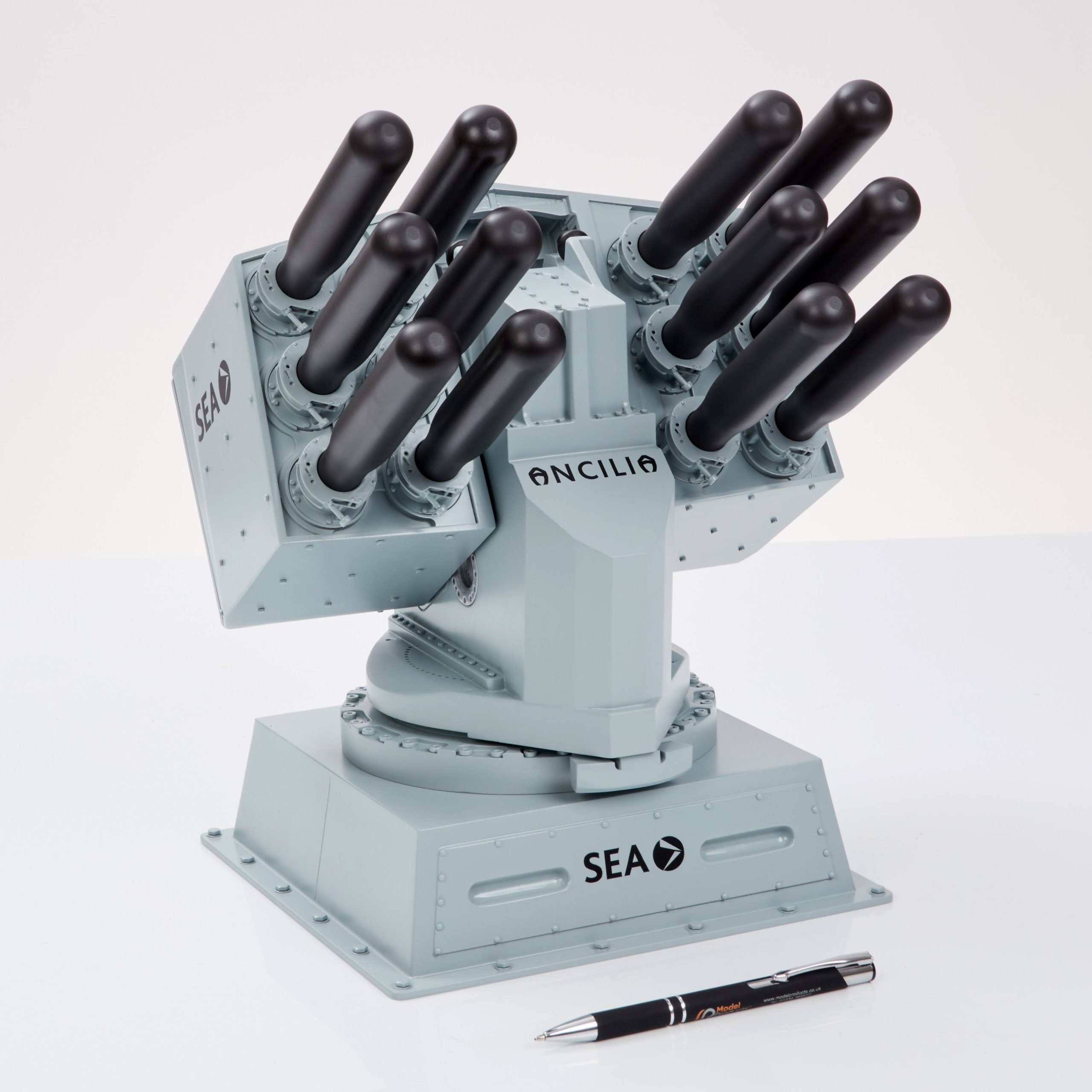
Replica models are precision-engineered physical representations of real-world systems, structures, or equipment, created to exact scale specifications. These tangible models serve multiple purposes across defence, aerospace, and infrastructure sectors, providing stakeholders with three-dimensional representations that enable tactile interaction and spatial understanding.
The Defence Policy for Modelling and Simulation (JSP 939) recognises the importance of physical modelling alongside digital simulation capabilities. Physical replica models have supported UK defence projects for decades, from wind tunnel testing for Concorde development to contemporary applications in the Tempest programme.
Model Products Ltd specialises in creating high-precision replica models that meet the exacting standards required by aerospace engineers, defence contractors, and infrastructure planners. These models combine traditional British craftsmanship with advanced manufacturing technologies to deliver exceptional accuracy and durability.
What Is Digital Visualisation?
Digital visualisation encompasses computer-generated representations of objects, systems, or environments using advanced software and rendering technologies. These virtual models enable rapid iteration, real-time modifications, and immersive virtual reality experiences for stakeholders.
The Defence Modelling & Simulation Office (DMSO) Blueprint emphasises the strategic value of digital modelling and simulation across the Defence Enterprise. Digital visualisation supports everything from conceptual design validation to operational planning, offering unprecedented flexibility in design exploration.
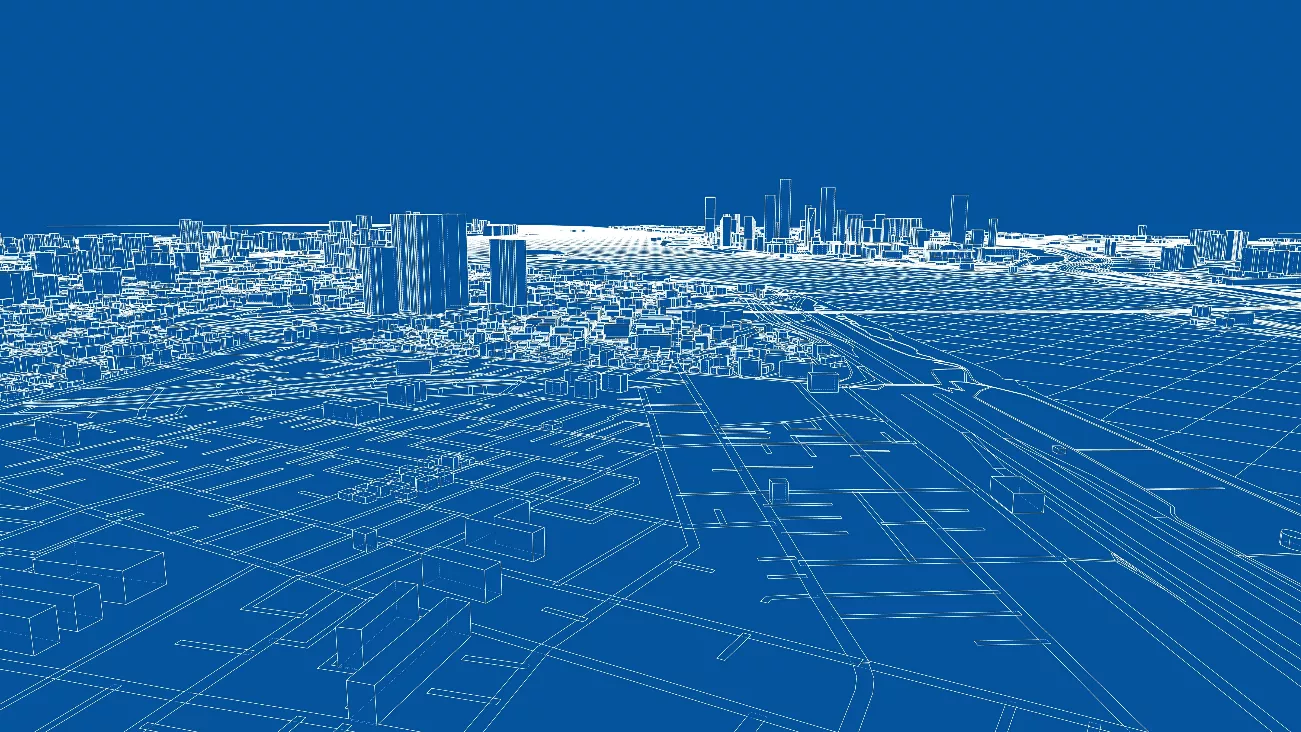
Digital twins represent the most advanced form of digital visualisation, incorporating real-time data feeds to create dynamic virtual replicas. However, these sophisticated systems require substantial investment in sensors, data infrastructure, and ongoing maintenance to deliver their promised benefits.
How Do Replica Models Support Defence, Aerospace & Infrastructure Projects?
Replica models provide critical support for UK defence and aerospace projects through multiple validated applications. The How Defence Works framework emphasises the importance of effective communication and stakeholder engagement in defence project delivery.
Physical scale models excel in:
- Wind tunnel testing: Essential for aerodynamic validation in aerospace development
- Stakeholder presentations: Enabling tangible interaction with complex systems
- Training applications: Providing realistic representations for personnel development
- Design validation: Supporting technical reviews and approval processes
- Exhibition displays: Demonstrating capabilities at defence and aerospace events
The UK’s aerospace industry continues to rely on physical models for critical applications, as demonstrated by BAE Systems’ approach to the Tempest programme, where digital concepts are validated through physical wind tunnel testing. This integrated approach combines the strengths of both methodologies.
The Key Benefits of Commissioning Replica Models vs Digital Visualisation
The choice between replica models and digital visualisation depends on specific project requirements, stakeholder needs, and intended applications. Each approach offers distinct advantages that serve different aspects of project development and communication.
Replica Models Advantages:
- Tangible interaction: Stakeholders can physically handle and examine models, providing intuitive understanding of scale, proportion, and spatial relationships
- Enhanced communication: Physical presence eliminates technical barriers and enables universal accessibility regardless of digital literacy
- Validation certainty: Physical testing provides definitive results that cannot be questioned or undermined by simulation assumptions
- Stakeholder engagement: Creates memorable impressions during presentations, exhibitions, and client meetings
- No technical dependencies: Functions independently without software, power, or IT support requirements

Digital Visualisation Advantages:
- Rapid iteration: Design changes can be implemented quickly without physical reconstruction
- Cost efficiency: Multiple design variants can be explored without material costs
- Data integration: Can incorporate real-time operational data and performance metrics
- Remote accessibility: Enables global collaboration and virtual meetings
- Dynamic capabilities: Supports animation, cutaway views, and interactive exploration
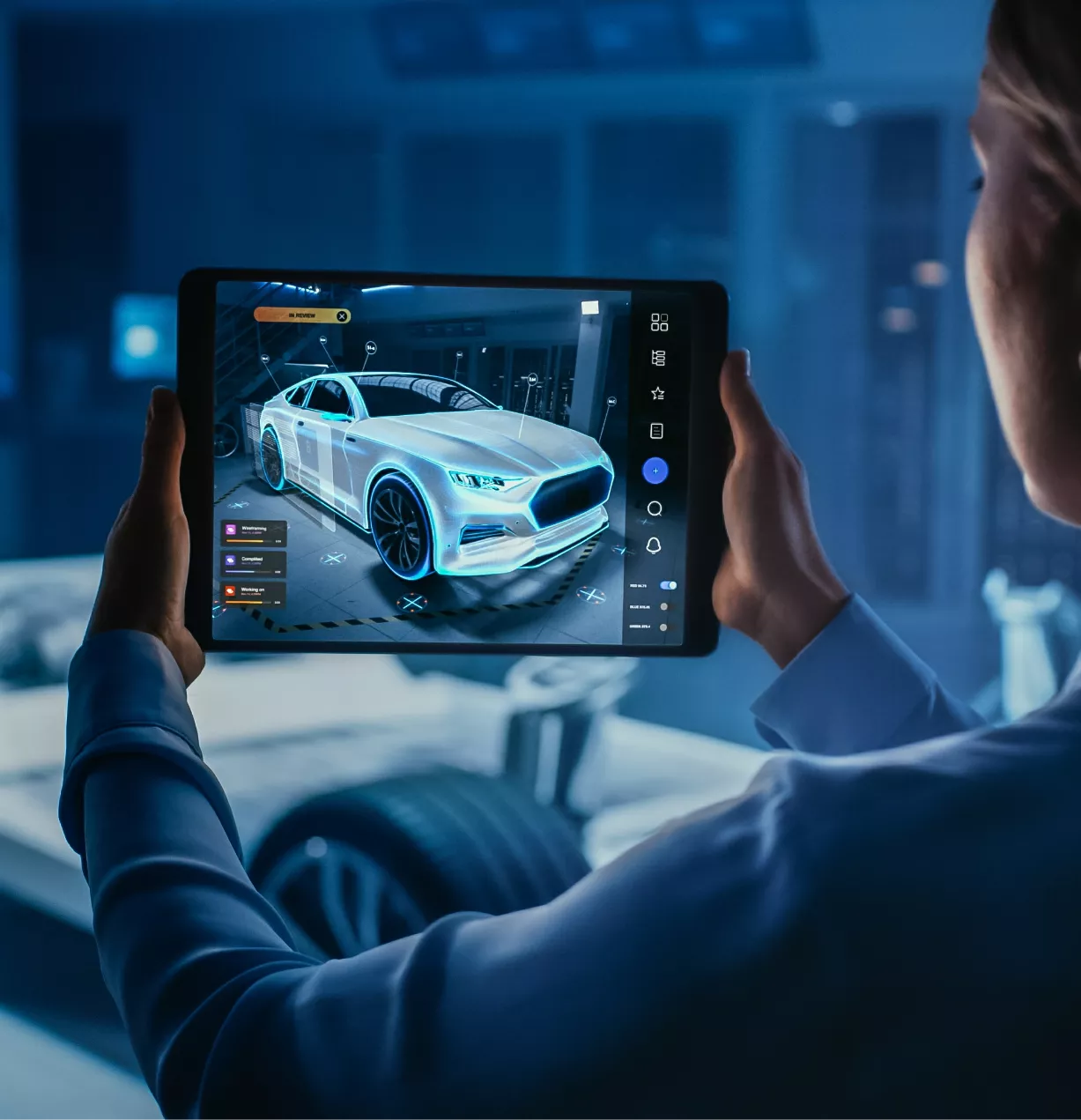
The National Model Design Code provides guidance on when physical models deliver superior communication value compared to digital alternatives. Professional model makers understand these distinctions and can advise clients on optimal solutions.

Replica Models vs Digital Visualisation: Why Organisations Still Value Physical Scale Models
Despite advancing digital capabilities, organisations across defence, aerospace, and infrastructure sectors continue investing in replica models for compelling strategic reasons. The tactile nature of physical models provides irreplaceable benefits that digital visualisation cannot fully replicate.
Cognitive advantages of physical models include enhanced spatial understanding, improved decision-making confidence, and reduced risk of misinterpretation. Stakeholders develop deeper appreciation for design complexity when they can physically manipulate and examine detailed replicas.
Communication effectiveness represents another critical factor. Physical models transcend language barriers, technical expertise levels, and cultural differences. The Cambridge Network’s professional model making insights demonstrate how physical models facilitate more productive stakeholder discussions compared to screen-based presentations.
Risk mitigation through physical validation remains essential for critical defence and aerospace applications. Wind tunnel testing of physical models provides empirical data that validates digital simulations, as demonstrated in the UK’s Tempest programme development.
Regulatory compliance often requires physical validation to meet certification standards. British Standards BS 8000 emphasise the importance of physical verification in construction and engineering applications.
Replica Models vs Digital Visualisation: Why Choose Model Products for Replica Models?
Model Products Ltd combines over 60 years of specialist expertise with cutting-edge manufacturing technologies to deliver exceptional replica models for defence, aerospace, and infrastructure applications. The company’s heritage includes creating wind tunnel models for Concorde development at the Royal Aircraft Establishment, establishing credentials in the most demanding technical applications.
TECHNICAL EXCELLENCE
- Advanced 3D CAD/CAM integration ensuring dimensional accuracy
- CNC machining, laser cutting, and additive manufacturing capabilities
- Compliance with British Standards and defence specifications
- Material expertise spanning metals, plastics, composites, and specialised aerospace materials
SECTOR SPECIALISATION
Model Products serves the complete spectrum of defence and aerospace requirements:
- Land-based defence systems and equipment
- Marine applications including naval vessels and offshore platforms
- Aerospace models from UAVs to commercial aircraft
- Infrastructure projects including transport networks and architectural developments
COLLABORATIVE APPROACH
The company excels in translating conceptual designs into detailed physical models, working closely with clients throughout the development process. This collaborative methodology ensures final models exceed expectations while remaining within budget constraints.
QUALITY ASSURANCE
- Rigorous inspection protocols meeting aerospace standards
- Project management ensuring on-time, within-budget delivery
- Comprehensive post-delivery support and maintenance services
Contact Model Products Ltd today
…to commission a bespoke replica model for your next project and discover how physical models can enhance your stakeholder engagement and technical validation requirements.
FAQ
What is the difference between replica models vs digital visualisation?
Replica models are physical, tangible representations that stakeholders can handle and examine, while digital visualisation creates virtual representations using computer software. Physical models provide tactile interaction and universal accessibility, whereas digital models offer rapid iteration and dynamic capabilities.
Why are physical models still important in defence and aerospace?
Physical models remain essential for wind tunnel testing, stakeholder presentations, regulatory compliance, and situations requiring definitive validation. The UK’s Tempest programme demonstrates how physical testing validates digital simulations in critical aerospace applications.
What benefits do replica models provide over digital simulations?
Replica models offer tangible interaction, enhanced stakeholder communication, validation certainty, and independence from technical infrastructure. They create memorable impressions during presentations and eliminate barriers associated with digital literacy or technical failures.
When should you choose a physical scale model instead of digital visualisation?
Choose physical models when stakeholder engagement is critical, regulatory compliance requires physical validation, or when communicating with diverse audiences who may lack technical expertise. Digital visualisation works best for rapid design iteration and remote collaboration.
How do replica models support UK defence projects?
Physical models support UK defence through wind tunnel testing, stakeholder presentations, training applications, and exhibition displays. The Defence Policy for Modelling and Simulation recognises their importance alongside digital capabilities.
REFERENCES & CITATIONS
#replicamodels #digitalvisualisation #scalemodels #aerospacescalemodels #defencemodels #precisionmodelmaking #UKengineering #modelproductsUK #UKmanufacturing #bespokemodels #infrastructuremodels #architecturalscalemodels #modelmakingUK #craftedintheUK #defencetechnology #scaleengineering #JSP939 #physicalscalemodels #benefitsofreplicamodels #aerospaceandefencemodels
Author bio for Model Products UK
Model Products Ltd is a UK-based specialist model making company, trusted by leading organisations to turn complex ideas into precise, tangible models that inform, persuade, and inspire. With over 60 years of combined experience in engineering, product design, and model making, the team blends traditional craftsmanship with advanced 3D printing, CNC machining, and modern fabrication techniques to deliver highly detailed, accurate, and durable models.
From defence and aerospace to architecture, transport and infrastructure, R&D, agriculture, and commercial sales and marketing, Model Products creates bespoke scale models, working mechanical models, and exhibition display pieces tailored to each client’s objectives. Known for clear communication, rigorous attention to detail, and on-time delivery, the company supports projects at every stage – from early concept visualisation through to stakeholder presentations, training, and live event demonstrations.
By combining precision engineering with creative problem-solving, Model Products Ltd helps organisations de-risk decisions, showcase innovation, and bring complex stories to life in a way that digital visuals alone cannot achieve.